









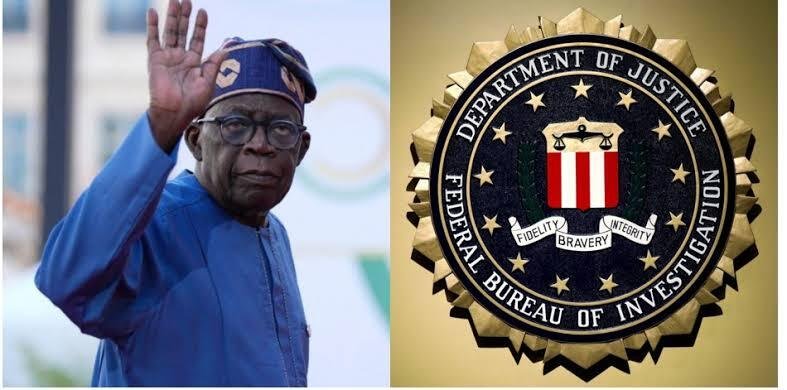
he long-running legal battle over Tinubu FBI records has entered another important stage, but the latest development does not mean the documents will automatically become public.
A US federal judge has allowed the FBI to submit sensitive material privately for judicial review while giving the FBI, the Department of Justice, the Drug Enforcement Administration and President Bola Tinubu until August 28, 2026 to oppose the release of the records.
The case is being watched closely in Nigeria because the records relate to historical US investigations involving Tinubu. However, it is important to separate what the court has actually decided from what political actors are saying about the case.
Why the FBI Wants a Private Review
The FBI is not simply asking the court to keep everything secret. The agency wants to explain privately why some portions of the requested records should remain withheld. It has cited US Freedom of Information Act exemptions covering sensitive law-enforcement methods and information that could potentially endanger someone’s safety.
That is why the judge’s permission for an in-camera review, meaning a private examination of the material by the judge, matters. It allows Judge Beryl Howell to see the information behind the FBI’s argument without immediately putting the sensitive material into the public domain.
The private review itself should not be interpreted as proof that the records contain evidence of criminal wrongdoing by Tinubu.
August 28 Is the Date to Watch
The more significant development may be what happens after the parties make their arguments.
The court has given the FBI, DOJ, DEA and Tinubu until August 28 to formally oppose the public release of the records. The wording reported by the lobbying firm that disclosed the development was particularly firm, saying the deadline is August 28 and “no later”.
That does not mean the records will be released on August 29. Instead, the judge will have to consider the arguments and determine which information, if any, can legally remain withheld under FOIA.
This Case Has Been Running for Years
The dispute began with FOIA requests by US transparency activist Aaron Greenspan, who sought records from US agencies concerning historical investigations involving Tinubu.
In April 2025, Judge Howell rejected the agencies’ broad use of a “Glomar response”, a mechanism that allows an agency to refuse to confirm or deny whether certain records exist. She ordered the FBI and DEA to search for and process records that were not legally exempt from disclosure.
The latest move therefore represents another stage in a legal fight that has already lasted several years.
What the Dispute Could Mean for Tinubu
The biggest political impact may come regardless of what the court eventually releases. If substantial records become public, they could trigger fresh political debate in Nigeria, particularly as the country moves towards the 2027 election.
If the FBI successfully keeps significant portions sealed, political opponents are also likely to question why the information remains confidential. For now, however, the safest conclusion is simple: the Tinubu FBI records have not been ordered for immediate public release.
The next major step is the August 28 deadline, after which the court will have to decide how much of the disputed material can legally be made public.