









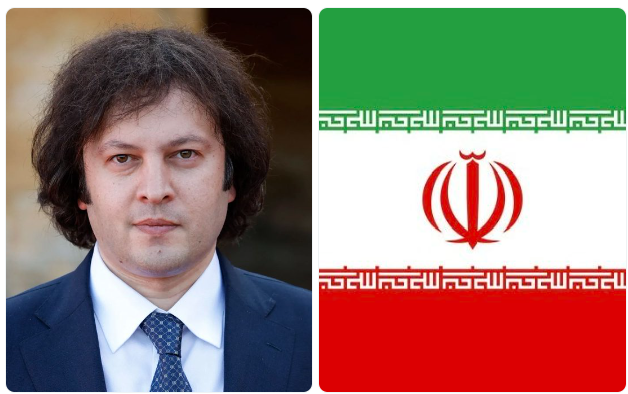
Georgia’s decision to reject the latest EU sanctions on Iran is more than a disagreement over one sanctions package. It is another sign that Tbilisi is becoming increasingly willing to put its own economic and strategic interests ahead of closer alignment with European foreign policy.
The Georgian government declined to join the European Union’s latest measures targeting Iran, with Georgian Dream lawmaker Tengiz Sharmanashvili saying the country’s position is determined by one question: whether a decision serves Georgia’s national interests.
The EU measures target Iranian individuals and entities linked to military support for armed groups in Russia, the Middle East and the Red Sea, as well as people accused of human rights violations in Iran. Georgia, however, decided not to participate.
Why Georgia Is Choosing Its Own Path
The most interesting part of the Georgia-Iran sanctions dispute is not the sanctions themselves. It is what the decision says about Georgia’s foreign policy.
Sharmanashvili argued that Georgia would not take an international position simply because the EU expects it to. He also pointed to Turkey and Serbia, both EU candidate countries, which likewise did not join the latest sanctions against Iran.
That gives Tbilisi political cover for its decision. Georgia can argue that it is not abandoning Europe, but simply following the same pragmatic approach taken by other countries that have close relationships with the EU without being members.
There is also an economic calculation. According to JAMnews, the number of Iranian companies registered in Georgia has increased sharply since 2012. That does not prove sanctions were the deciding factor, but it shows that Georgia has economic interests involving Iran that it may not want to put at risk.
The EU Alignment Problem
The bigger issue could come later. Georgia is an EU candidate country, but its alignment with the bloc’s foreign and security policy has already fallen. JAMnews reported that Georgia’s alignment with the EU’s Common Foreign and Security Policy dropped from 53 percent in 2024 to 40 percent by October 2025.
That creates an awkward position for Tbilisi. Joining the EU is one of Georgia’s major strategic goals, but the government is increasingly showing that membership ambitions do not mean automatic support for every European foreign policy decision.
The question now is how far that gap can grow before it starts affecting Georgia’s relationship with Brussels.
What Comes Next?
For now, Georgia is betting that a pragmatic foreign policy will protect its own interests while allowing it to maintain ties with Europe. But the pressure could increase if the EU expands sanctions against Iran or expects candidate countries to demonstrate stronger foreign-policy alignment.
Georgia’s decision may therefore be less about Iran itself and more about a bigger question: how closely can a country move towards the EU while still refusing to follow its foreign policy when national interests point in another direction?

One thought on “Georgia Rejects EU Sanctions on Iran as National Interest Takes Priority”