








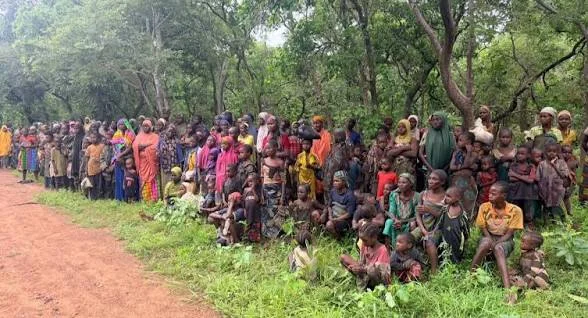
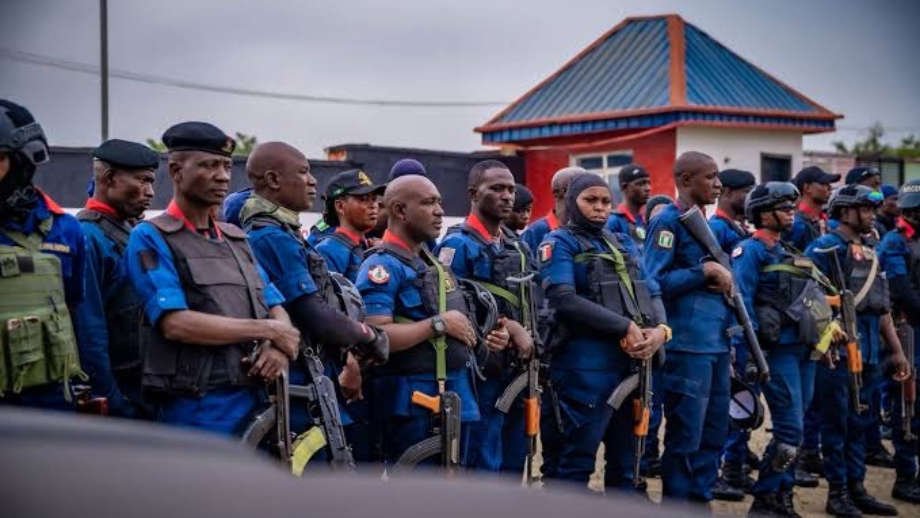
Nigeria’s security forces have scored a major success after rescuing 308 people abducted in separate attacks across Niger and Kwara states. President Bola Tinubu described it as the largest single-day rescue operation carried out by the country’s joint security team.
The operation involved the military, police and counter-terrorism authorities, with the victims recovered from the Kainji Lake National Park forest in Niger State. Of those rescued, 163 were abducted from Woro in Kwara State, while 145 were taken in attacks linked to Niger State.
The scale of the rescue is significant, but it also raises a difficult question: why were more than 300 Nigerians able to spend months in captivity in the first place?
308 People Are Home, But Their Ordeal Matters
The rescued victims had reportedly spent months in captivity after being abducted in separate attacks.
Their release is therefore more than a security statistic. Families that had been living with uncertainty can now begin rebuilding their lives, while those rescued are receiving medical attention after their time in the forest.
The operation also demonstrates what coordinated intelligence and cooperation between security agencies can achieve. That is important because Nigeria’s kidnapping crisis has often exposed gaps between different security institutions. A successful joint operation of this scale shows that those agencies can work together effectively when intelligence, planning and resources come together.
But Plateau Shows Why Rescue Alone Is Not Enough
The success comes against a much darker security backdrop. On August 18, at least 25 people were killed in an overnight attack in Plateau State, according to local officials and residents. The attack has also raised fears of retaliatory violence in an area already affected by repeated clashes between farming communities and herders.
That contrast is important. While security forces are rescuing hundreds of kidnapped Nigerians in one part of the country, communities elsewhere are still struggling to prevent armed groups from attacking them in the first place.
This means Nigeria’s security strategy cannot focus only on rescue operations after an abduction. It also needs stronger intelligence, community protection and rapid response systems capable of stopping attacks before people are taken.
The Niger State Drone Investigation Adds Another Concern
The reported investigation into a targeted drone attack in Niger State adds another layer to the security challenge.
Modern surveillance technology can give security agencies an advantage against armed groups, but the effectiveness of such technology ultimately depends on how well intelligence is gathered, verified and acted upon.
The government therefore has an opportunity to build on the 308-person rescue by making intelligence-led operations more consistent across vulnerable communities.
The Real Measure of Success
The 308 rescued Nigerians are a major reason for optimism. But Nigerians should not have to depend on successful rescue missions after spending months in captivity.
The ultimate security victory is not rescuing 300 people. It is creating conditions where 300 people are never kidnapped in the first place.
For the government, the next challenge is turning this successful operation into a model for preventing future abductions, while ensuring that communities in places like Plateau do not continue paying the price for insecurity.



One thought on “Nigeria’s 308 Kidnap Rescue Is Encouraging, But the Bigger Security Test Is Keeping Communities Safe”