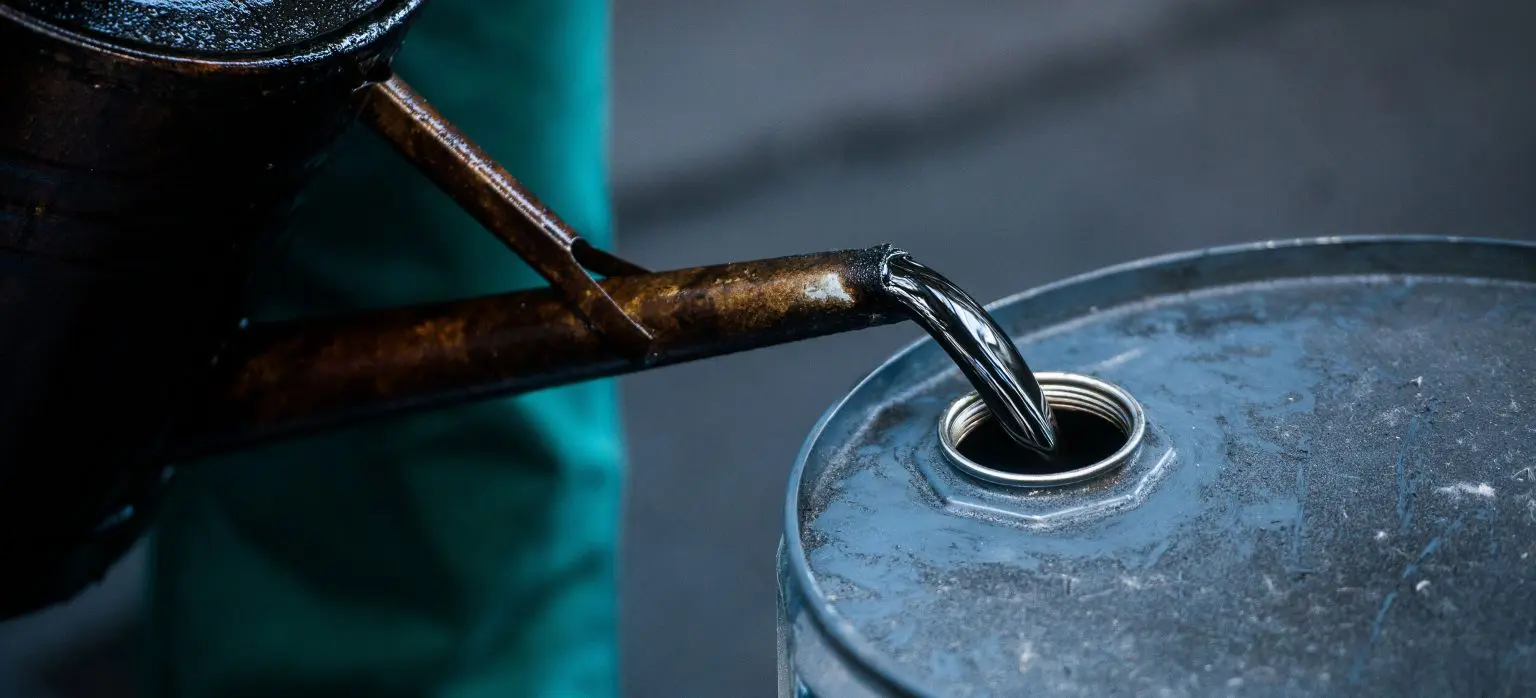









Nigeria is once again facing the uncomfortable side of its dependence on crude oil. Global oil prices fell sharply after the United States signalled a move back towards diplomacy with Iran, with Brent crude dropping about 7% to settle at $83.77 a barrel on Monday. Nigerian crude was dragged lower after recently trading above $85, as traders began removing the geopolitical risk premium that had pushed prices higher during the conflict.
The immediate problem for Nigeria is straightforward: cheaper crude means less money from each barrel exported. Oil remains one of the country’s most important sources of government revenue and foreign exchange, so a sustained decline could reduce inflows, put pressure on the naira and make an already difficult fiscal position harder to manage.
The 2026 federal budget assumes an average crude price of $64.85 per barrel, alongside production of 1.84 million barrels per day. That benchmark gives the government some protection against the current price, but the bigger risk is not one bad trading day. It is what happens if prices remain weak while production also falls short of target.
There is, however, an interesting contradiction for Nigerians. The same oil-price decline that threatens government revenue could eventually make fuel cheaper. Lower crude prices reduce the cost of feedstock for refiners such as Dangote Refinery and can reduce the landing cost of imported petroleum products.
If the decline is sustained and the savings are passed through, motorists could see lower petrol prices, while cheaper transportation and energy costs could help ease inflation. In other words, Nigeria’s government may lose revenue at the same time households gain some relief at the pump.
The real question is whether Nigeria can benefit from the second effect without being damaged by the first. A country that relies heavily on crude revenue cannot treat every oil-price movement as a budget emergency.
Yet Nigeria’s 2026 budget already projects ₦34.33 trillion in revenue against ₦58.18 trillion in expenditure, including ₦15.52 trillion for debt servicing. That means weaker oil receipts could quickly become a problem if the government has to find additional money to finance spending or borrowing.
There is another reason to pay attention. The current oil decline is partly geopolitical and may reverse quickly if US-Iran negotiations fail. Reuters reported that Iran disputed President Donald Trump’s claim that talks were underway, while tensions around the Strait of Hormuz remain unresolved. About one-fifth of global oil passed through the waterway before the conflict, meaning another escalation could send prices sharply higher again.
That volatility exposes Nigeria’s deeper weakness. When global tensions push oil above $100, Nigeria benefits from higher export prices. When diplomacy returns and prices fall, revenue expectations weaken. The country therefore remains exposed to decisions being made thousands of kilometers away.
The long-term answer cannot simply be hoping for another geopolitical crisis to keep crude prices high. Nigeria needs higher and more reliable production, stronger non-oil revenue and a fiscal system that can survive a prolonged period of moderate oil prices.
For now, the oil-price drop could offer consumers some relief. But if Abuja spends as though $100 oil is around the corner, the relief at the petrol station could come at the cost of another revenue problem for the government.