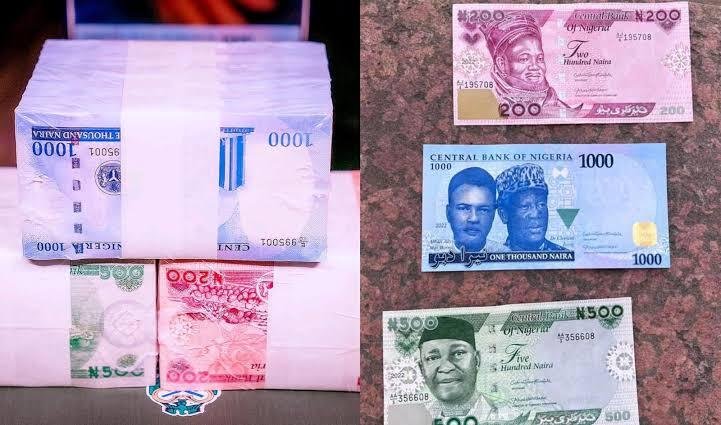









The naira is facing renewed pressure in the parallel market, with the dollar selling for around ₦1,420, even as the Central Bank of Nigeria insists that the foreign exchange market is becoming more stable.
The latest parallel-market rate is notably higher than the official rate, which has been trading around ₦1,362–₦1,369 per dollar. Recent market reports put the parallel-market selling rate at ₦1,420, highlighting that Nigerians buying dollars outside the formal market are still paying a premium.
At the same time, the CBN has a strong number to point to: Nigeria’s external reserves have risen above $52.5 billion, their highest level in 17 years and above the bank’s target for 2026. CBN Governor Olayemi Cardoso said the increase reflects sustained inflows and renewed investor confidence, while the bank says the gap between official and Bureau de Change rates has fallen to below 2%.
So why does the dollar still cost ₦1,420 on the street? That is the more important question for the Nigerian economy.
The latest movement suggests that having more dollars in the country’s reserves does not automatically mean every Nigerian can access dollars cheaply. Reserves strengthen the CBN’s ability to meet external obligations and influence the FX market, but what ultimately matters to businesses and households is the price at which they can actually obtain foreign currency.
That distinction could become increasingly important. Importers price goods according to the cost of sourcing dollars. Businesses with foreign obligations face higher naira costs when the exchange rate moves against them. Nigerians paying international tuition, subscriptions, travel expenses or other dollar-linked bills also feel the difference immediately.
For ordinary consumers, therefore, the argument over whether the naira is “stable” can sound disconnected from reality if their dollar costs remain elevated.
The good news is that the current situation is very different from the extreme volatility Nigeria experienced during earlier phases of the FX crisis. The official market has remained relatively range-bound, while the parallel-market premium is far smaller than during the worst periods of the crisis. Recent reporting also shows the parallel rate has remained around the ₦1,410–₦1,420 range rather than spiraling higher.
But stability is not the same thing as strength. The next test for the CBN will be whether rising reserves can translate into more reliable dollar liquidity, a narrower gap between markets and eventually a stronger naira without heavy intervention.
For now, Nigeria has a healthier FX position than it did during the crisis years. But the ₦1,420 street price is a reminder that economic recovery is only meaningful when Nigerians can actually feel it in the price of dollars, imports and everyday goods.