








Nigeria’s fuel subsidy reform is now being tied to one of the country’s biggest long-term challenges: access to education.
The Federal Government says the removal of the petrol subsidy generated an estimated ₦15.8 trillion in savings between June 2023 and December 2025. But the government has stressed that this money was not sitting in one Federal Government account. It was shared across the Federal, state and local governments through the Federation Account.
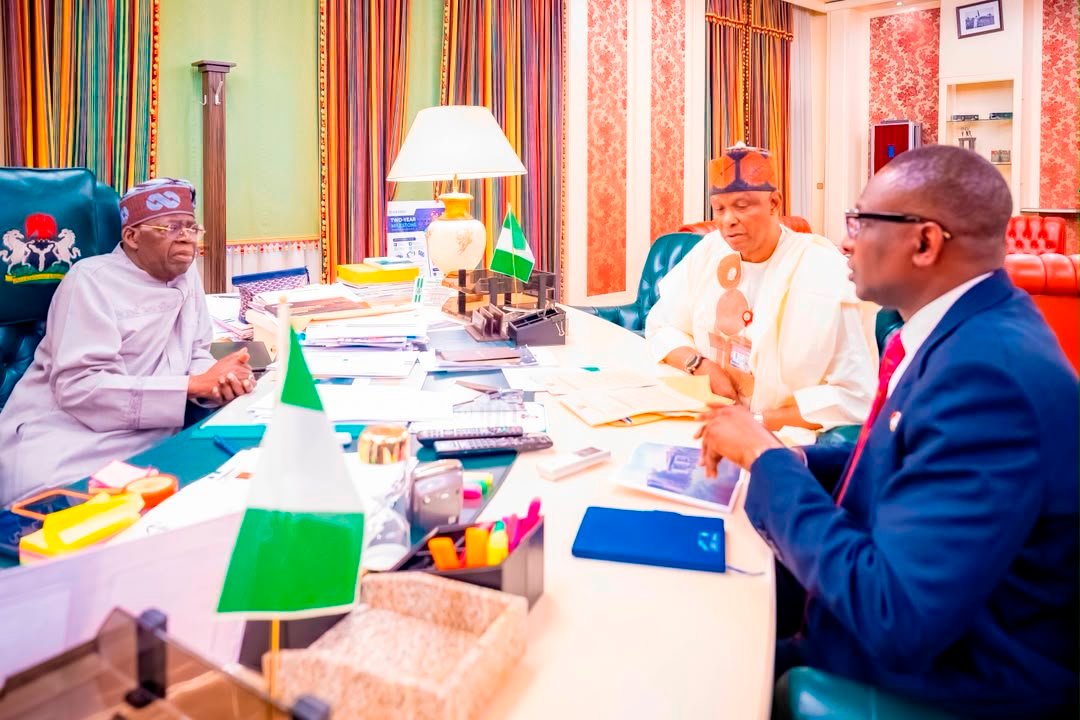
Now, President Bola Tinubu has directed that ₦242 billion in unclaimed dividends, alongside funds recovered by the Economic and Financial Crimes Commission (EFCC), should be channelled into the Nigerian Education Loan Fund (NELFUND).
The move could give Nigeria’s student-loan programme a much stronger financial base. But it also raises a bigger question: can the money being recovered and saved from economic reforms translate into opportunities that ordinary Nigerians can actually feel?
From Fuel Subsidy to Student Loans
The link between subsidy reform and education may not seem obvious at first. For years, huge amounts of public money were used to keep petrol prices artificially low. The government argues that the system became financially unsustainable and that removing the subsidy created fiscal space for other priorities.
The Ministry of Finance now estimates that the reforms generated ₦15.8 trillion in subsidy savings across the federation. However, the Federal Government’s own breakdown shows that its estimated share was ₦5.43 trillion, while states and local governments received the larger portions.
Part of the Federal Government’s additional resources has already supported NELFUND. The Ministry’s reform scorecard puts incremental NELFUND funding at ₦223.8 billion.
The new directive involving recovered funds and unclaimed dividends could add another significant source of financing.
Why This Matters for Nigerian Students
Nigeria’s student-loan programme was created to make higher education more accessible to students who may struggle to pay fees upfront. President Tinubu signed the amended Student Loans Act in 2024, establishing NELFUND as the institution responsible for administering the scheme.
That means the government’s latest decision is bigger than simply finding money for a government agency. It could determine whether more young Nigerians can attend university or other higher institutions without their families carrying the entire financial burden.
For students from low-income families, a functioning loan system could mean the difference between dropping out and completing a degree.
But More Money Must Mean Better Delivery
This is where NELFUND will face its biggest test. Funding the programme is only one part of the problem. Students also need applications to be processed quickly, institutions to receive payments on time and beneficiaries to receive accurate information.
Recent reports have also shown that students have experienced delays with upkeep payments, although claims that NELFUND had completely run out of funds were debunked.
The government therefore has an opportunity to show Nigerians what its reforms can actually deliver.
If money recovered from corruption and previously unclaimed assets can help educate hundreds of thousands of young Nigerians, the impact could last much longer than a cheaper litre of petrol ever could.
But Nigerians will ultimately judge the policy by one thing: how many students get an education because of it.