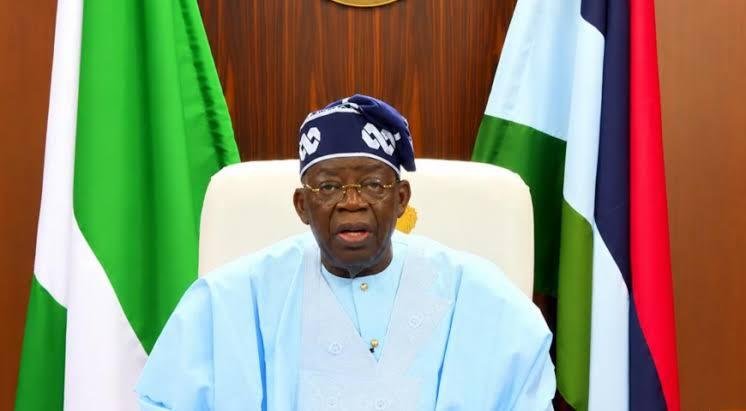











The sudden exit of Blessing Agbebaku as Speaker of the Edo State House of Assembly is raising a bigger question than who will replace him: why had lawmakers turned against a Speaker who had survived major political changes inside the House?
Agbebaku resigned on Monday amid moves by lawmakers to impeach him. Reports later said lawmakers proceeded to remove him during plenary, with Osawmonyi Atu emerging as the new Speaker. The exact allegations against Agbebaku have not yet been fully made public, so it is too early to say that a particular offence caused his removal. But there is a political history worth watching.
Agbebaku Has Survived Political Shifts Before
Agbebaku became Speaker in June 2023 after being elected by all 24 members of the House. At the time, he was a member of the PDP. His position later became tied to one of the biggest political shifts in Edo.
In 2025, Agbebaku and several other lawmakers defected from the PDP to the APC. Agbebaku openly said he moved to the APC in order to retain his position as Speaker. That move changed the balance inside the Assembly.
The current House is overwhelmingly APC, with only two members outside the ruling party according to available records. So his latest removal is happening in a legislature that is very different from the one that originally elected him.
There Was Already Bad Blood Around His Speakership
This is not even the first time Agbebaku has faced an alleged impeachment plot. In May 2024, he suspended three lawmakers after accusing them of plotting to impeach him and other principal officers. The suspended lawmakers included members of both the PDP and APC.
That makes Monday’s development look less like a completely unexpected political explosion and more like the latest chapter in a long-running struggle over control of the Edo Assembly. The difference this time is that Agbebaku appears to have lost the numbers.
What Could Have Changed?
The immediate reason for the current impeachment move remains unclear. There have been no detailed official allegations publicly explaining whether the dispute involved the Speaker’s handling of Assembly affairs, relationships with other lawmakers, political disagreements or the distribution of influence within the House.
That is important because impeachment should not simply be assumed to mean misconduct. In Nigerian politics, leadership changes in state assemblies can also reflect changing alliances and internal power struggles.
Agbebaku’s resignation may have been an attempt to avoid a more public impeachment battle, but reports indicate lawmakers were already prepared to change the leadership.
The Bigger Question Is Who Controls Edo’s Assembly
The most interesting part of this story may therefore be what happens next. A new Speaker means a new centre of influence inside the legislature. The person occupying that seat will have a major role in determining how the Assembly works with Governor Monday Okpebholo’s administration.
For Agbebaku, the irony is hard to miss. He once changed parties partly to protect his position as Speaker. Now, despite that political realignment, he is no longer Speaker.
Until the lawmakers explain exactly why they wanted him out, the biggest story may be the changing balance of power inside Edo’s Assembly.