








More than seven decades after the Korean War stopped, South Korea is once again asking North Korea to talk about peace.
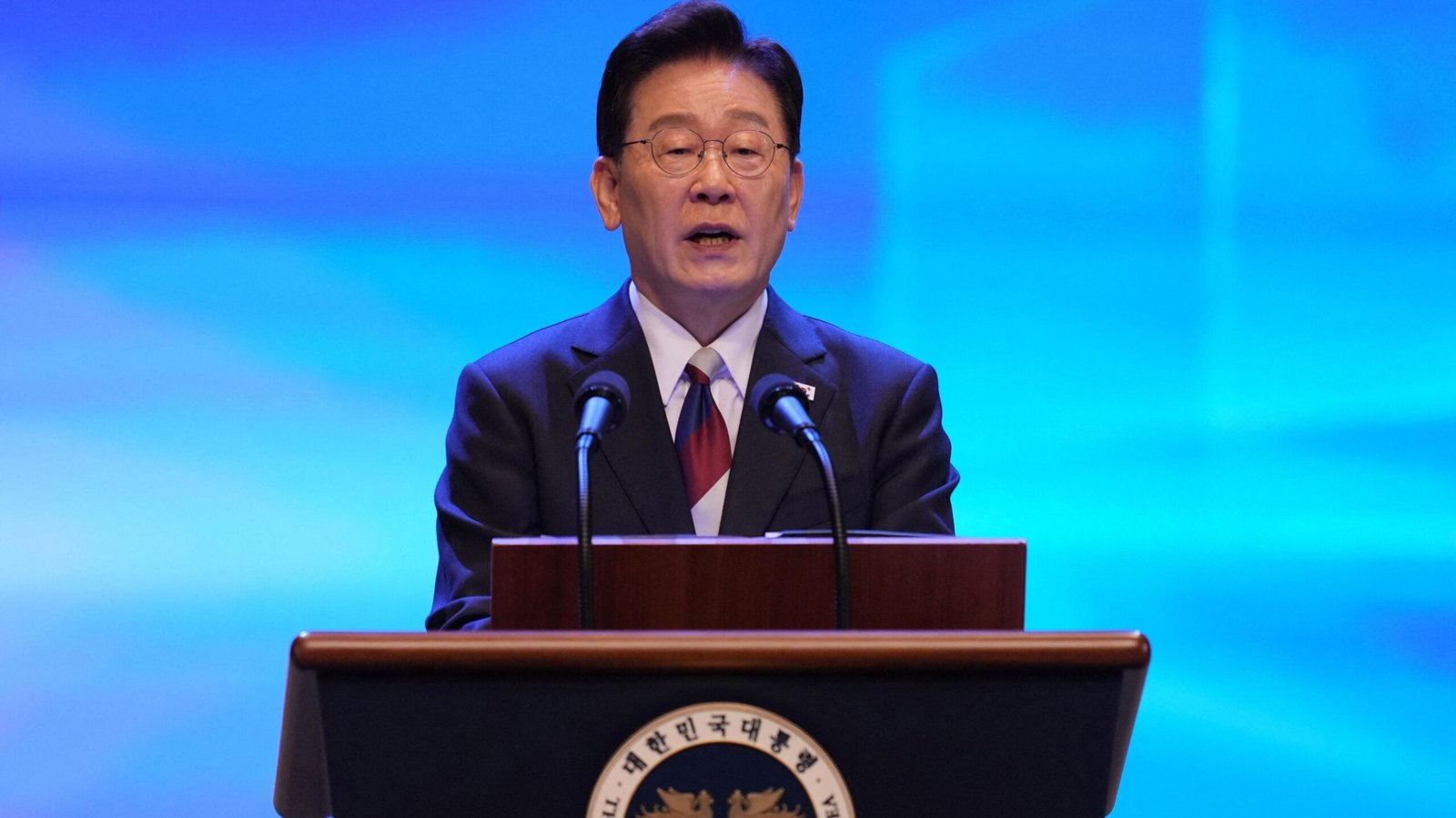
President Lee Jae Myung used his Liberation Day speech on Saturday to propose direct discussions with Pyongyang aimed at replacing the 1953 armistice with a formal peace regime. He also suggested that the talks could include practical measures to slow the development of North Korea’s nuclear capabilities.
It sounds like a simple diplomatic proposal, but the timing makes it much more complicated.
The Korean War Was Never Actually Finished
The Korean War ended in 1953 with an armistice, not a peace treaty. That means the two Koreas have technically remained at war for more than 70 years. Lee wants to change that.
His proposal is not simply about declaring peace. He wants mechanisms that can reduce the risk of another conflict, with Seoul taking what he described as preventive and sustained steps to manage tensions. For South Korea, this could provide something it has never really had: a more stable security environment without relying entirely on the threat of military confrontation.
But there is a major problem.
North Korea Is Becoming More Confident, Not Less
Pyongyang is not approaching these discussions from a position of weakness. North Korea has continued developing its nuclear and missile capabilities and has strengthened its relationship with Russia. Moscow and Pyongyang have described their cooperation as expanding across several areas, particularly security.
That makes Lee’s proposal much harder to negotiate. Seoul wants to discuss limiting North Korea’s nuclear advancement. Pyongyang, meanwhile, increasingly treats its nuclear weapons as central to its national security.
North Korea has also rejected previous South Korean attempts at reconciliation and now describes South Korea as a hostile state.
The Military Drills Could Make Things Worse
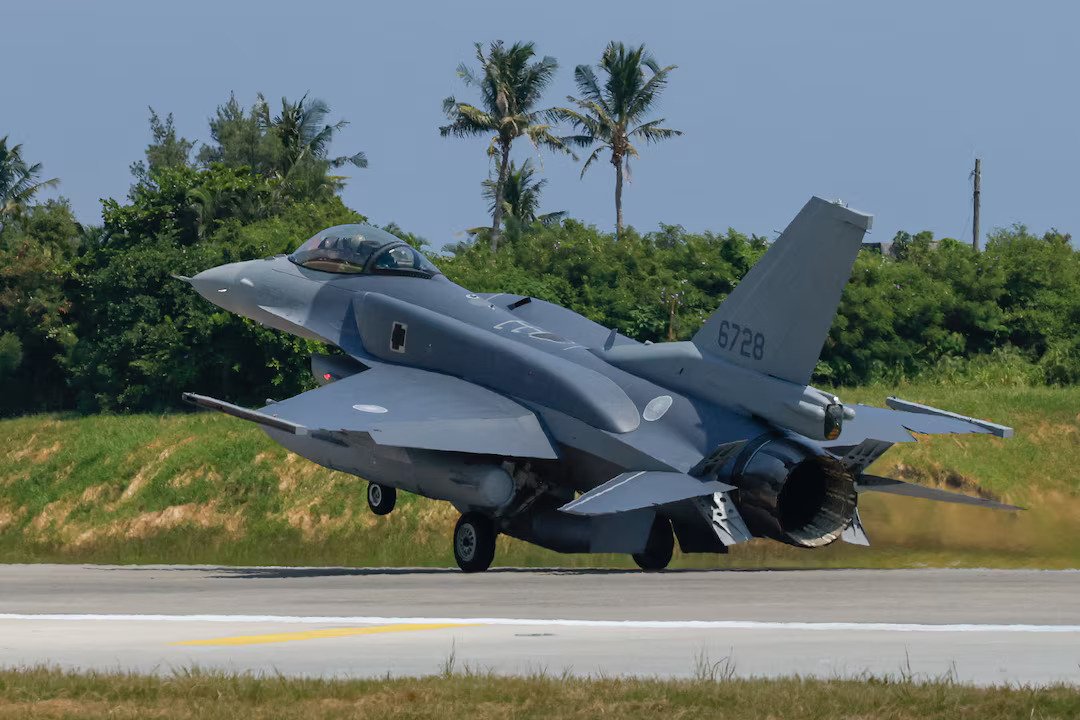
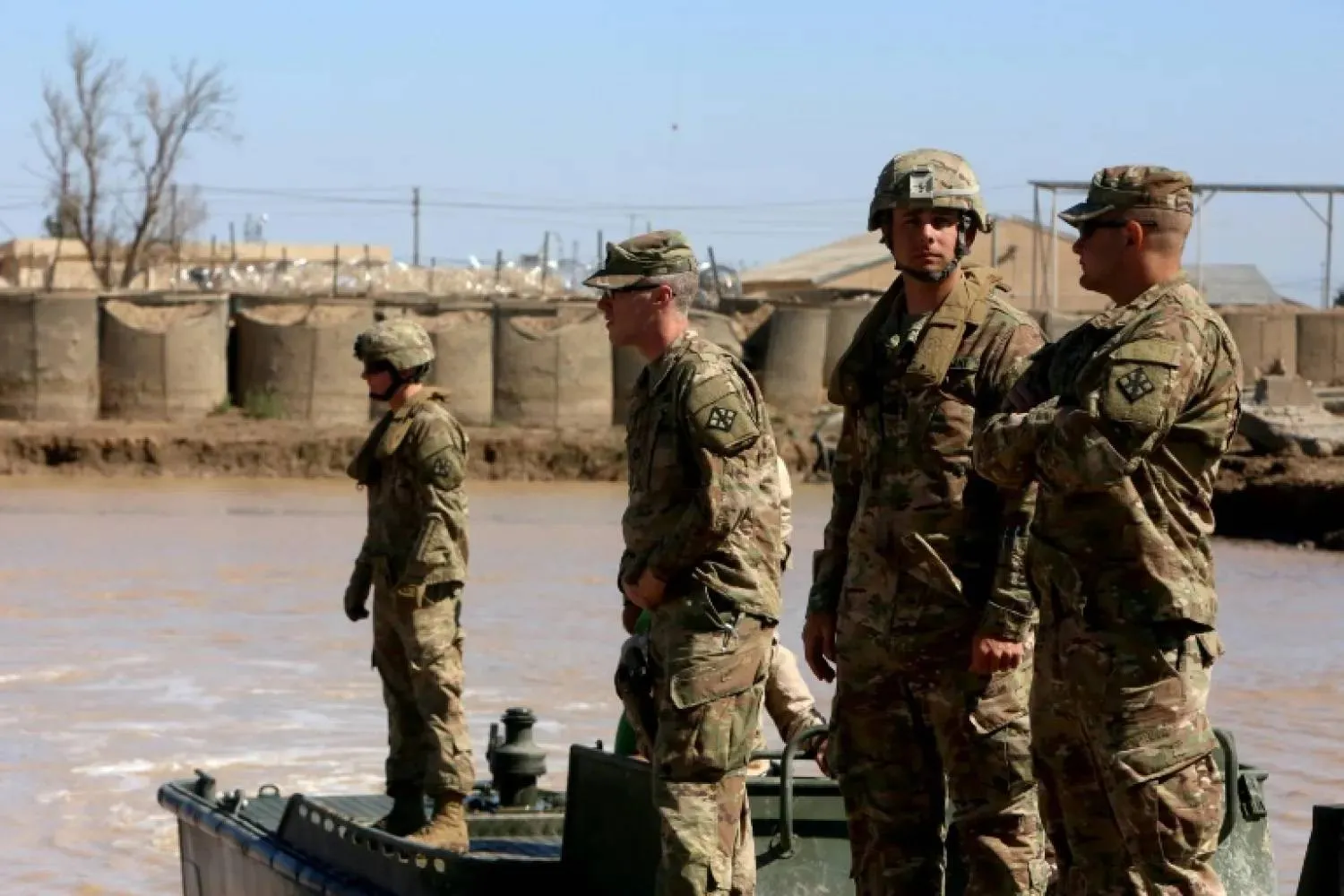
The timing is particularly awkward because the United States and South Korea are preparing to begin their annual Ulchi Freedom Shield military exercises on August 17. North Korea has already condemned the drills as preparations for war and threatened a strong response. It has also conducted recent ballistic missile launches ahead of the exercises.
So Seoul is essentially sending two messages at once: we are preparing to defend ourselves, but we also want to talk. That may sound contradictory, but it reflects the reality of dealing with North Korea.
South Korea cannot simply abandon its military alliance with the United States while hoping Pyongyang becomes peaceful. At the same time, endless military escalation carries its own risks.
What Happens Next?
The biggest question is whether Kim Jong Un’s government will even respond. Lee has already made reconciliation a major part of his approach to North Korea, including a pledge to respect Pyongyang’s political system and avoid forcing unification through absorption. Yet North Korea has largely remained unresponsive.
That means this proposal could become another diplomatic offer that goes nowhere. But if Pyongyang does eventually agree to talks, the conversation would be much bigger than simply ending a war that has technically lasted 76 years.
It would involve nuclear weapons, the US military presence in South Korea, North Korea’s relationship with Russia, regional security and the question of whether two countries that have spent generations preparing for conflict can finally learn to coexist.
For now, Lee has opened the door. The difficult part will be getting North Korea to walk through it.