








Nigeria’s economic debate has officially entered campaign mode.
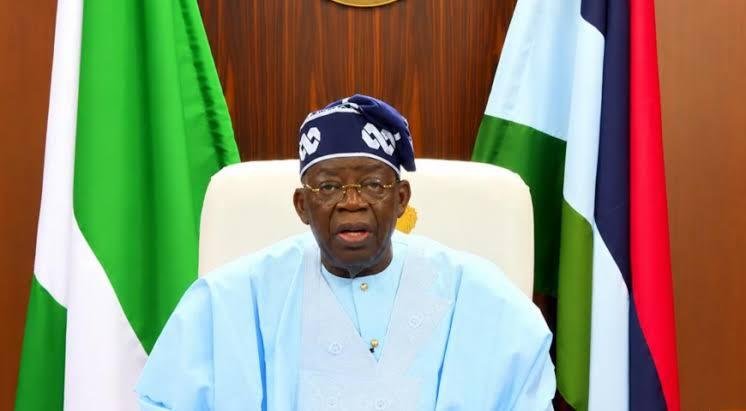
The Presidency has pushed back strongly against former Vice President Atiku Abubakar, rejecting his criticism of President Bola Tinubu’s economic policies and insisting that the opposition is relying on “outdated data” to paint an inaccurate picture of the country’s economy.
Presidential spokesman Bayo Onanuga defended the administration’s record, arguing that recent indicators show improving government revenue, stronger investor confidence and reforms that are beginning to produce results despite initial hardship.
Atiku had accused the Tinubu administration of fiscal recklessness, questioning increased borrowing, the removal of fuel subsidies, tax reforms and what he described as an unfulfilled promise that Nigerians would quickly benefit from difficult economic reforms. The Presidency dismissed those claims, saying many of the figures cited relate to earlier periods and fail to reflect Nigeria’s current economic position.
This exchange is about far more than economic statistics.
It marks the beginning of what could become the defining political argument ahead of the 2027 general election. Every major election eventually revolves around one central question. For 2027, that question is increasingly becoming whether Tinubu’s economic reforms were painful but necessary, or painful without delivering enough benefits.
The government has a straightforward case to make. It argues that removing fuel subsidies and liberalising the foreign exchange market were difficult decisions that previous administrations avoided for years. Officials point to improvements in public revenue, renewed investor interest and macroeconomic indicators as evidence that the reforms are beginning to stabilise the economy.
The opposition’s argument is equally straightforward. It focuses less on economic indicators and more on everyday realities. Inflation remains high, food prices continue to strain household budgets and many Nigerians still say they have yet to feel the benefits of the reforms. That difference explains why both sides can claim to be telling the truth while reaching completely different conclusions.
Ultimately, elections are rarely decided by GDP growth or fiscal reports alone. Voters usually judge governments based on their own experiences. A family paying more for food, transport and electricity may struggle to connect with improving macroeconomic indicators. Likewise, a government can argue that reforms need time to produce lasting results and that reversing them would undo progress already made.
That is why debates like this are likely to become more frequent over the coming months.
Expect both camps to release more data, challenge each other’s figures and compete to define Nigeria’s economic story before voters do. Every inflation report, unemployment figure, revenue announcement or debt update will increasingly become political ammunition.
The Presidency’s response to Atiku therefore represents more than a rebuttal. It signals that the government intends to defend its economic record aggressively rather than allowing critics to define it.
Between now and 2027, Nigeria’s economy will not only be measured by economists. It will be measured by politics.


One thought on “The Presidency and Atiku Are Arguing Over the Economy. The Bigger Battle Is About Who Owns the 2027 Narrative.”