







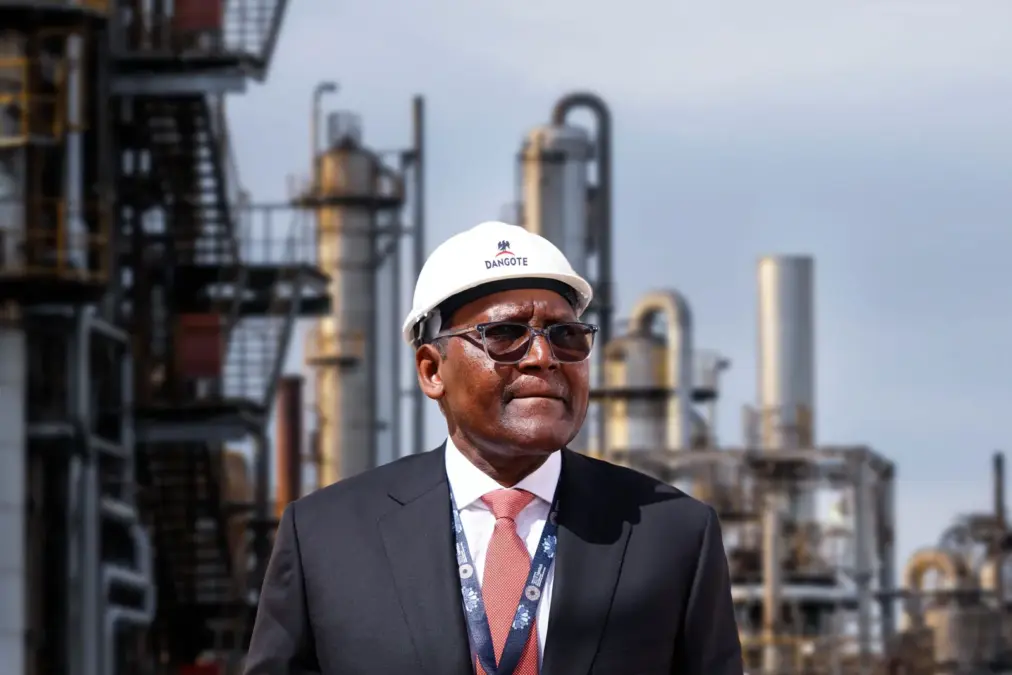
Aliko Dangote is preparing for another major expansion of his business empire, with plans to invest more than $10 billion in Africa’s power sector over the next three to four years while also taking his fertiliser business public in 2028.
The announcements point to a wider shift in the Dangote Group’s strategy. Rather than focusing only on manufacturing products, the conglomerate is increasingly moving toward the infrastructure needed to keep African industries running. Dangote said unreliable electricity remains one of the biggest barriers to industrialisation, while his fertiliser plans are aimed at reducing Africa’s dependence on imports.
Why Dangote Is Turning to Power
Dangote said the group is considering redirecting money from some planned businesses, including its steel project, into electricity generation and other power investments.
The decision reflects a problem Nigerian manufacturers have faced for years. Factories often depend on diesel and other expensive alternatives because public electricity supply remains unreliable. That raises production costs and makes locally manufactured goods harder to compete with imports.
Dangote’s proposed $10 billion power sector investment in Nigeria and Africa could therefore have implications beyond his own companies if part of the investment develops generation capacity that supports wider industrial activity.
He said more than 600 million people across Africa still lack access to electricity, describing reliable power as fundamental to economic development.
This creates an interesting link to the concerns recently raised by the Manufacturers Association of Nigeria, which warned that manufacturers are under severe cost pressure despite overall GDP growth. The two developments highlight the same problem from different sides: industries can expand only so far when energy remains expensive and unreliable.
The Fertiliser Business Is Becoming Another Major Bet
Dangote is also planning a 2028 IPO for his fertiliser business, giving investors a chance to own part of another major industrial operation.
Dangote confirmed the timeline during an interview at the Qatar Economic Forum and said the business would aim to become the world’s largest fertiliser company. The company currently operates a three-million-tonne-per-year urea and ammonia plant in Lagos and has outlined plans to expand production significantly.
The group has also discussed developing potash and phosphate resources and producing DAP fertiliser. Its expansion strategy is designed to increase supply across Africa and reduce dependence on imported fertiliser.
Dangote Is Also Opening the Door to More Investors
The fertiliser IPO comes at an important time for the wider Dangote Group. The company’s refinery public offer opened on September 14, 2026, with the Nigerian Securities and Exchange Commission warning investors to use only approved channels.
The refinery IPO has already generated strong public interest and even a wave of jokes from new retail investors about becoming Dangote’s “partners” and demanding board meetings.
The planned fertiliser listing suggests this could become part of a broader strategy to bring outside investors into businesses that were previously controlled largely within the group.
What Happens Next?
The immediate question is whether Dangote can turn these announcements into projects at the scale being discussed.
The power investment would require major capital deployment and decisions about where generation capacity will be built, while the fertiliser business must continue expanding before its proposed 2028 listing.
For Nigeria, the bigger story is that one of the country’s largest private industrial groups is increasingly investing in sectors that sit underneath the economy itself: power, fuel and fertiliser.
That could make Dangote’s next phase less about building individual companies and more about building the infrastructure and industrial capacity that other businesses depend on.