






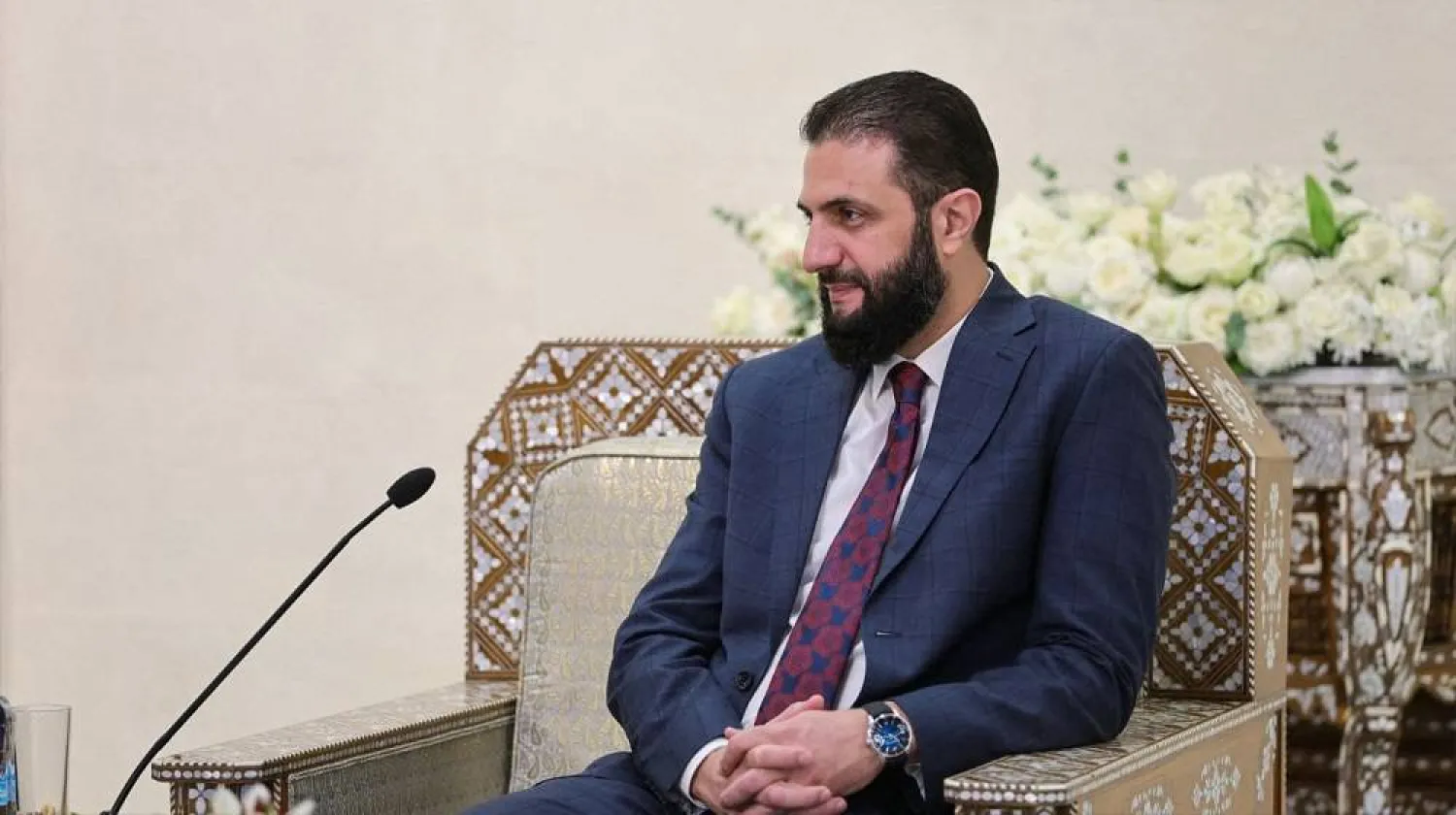
Syrian President Ahmed al-Sharaa arrived in New York on Monday, September 21, 2026, leading his country’s delegation to the 81st United Nations General Assembly. His visit comes at a significant point for Syria, with Damascus seeking stronger diplomatic ties, economic recovery and international investment following the fall of Bashar al-Assad in December 2024.
Al-Sharaa is scheduled to address the General Assembly on Wednesday and meet world leaders and senior officials during the visit. His delegation includes Foreign Minister Asaad Hassan al-Shaibani and Emergency and Disaster Management Minister Raed al-Saleh.
The bigger story, however, is what his appearance represents. Syria is attempting to move from years of diplomatic isolation toward a more normal relationship with the international community.
From Rebel Leader to President at the UN
Al-Sharaa’s international journey remains one of the most unusual aspects of Syria’s transition. He previously led Hayat Tahrir al-Sham, or HTS, the rebel group that played a leading role in overthrowing Assad’s government. HTS had previously been designated a terrorist organisation by the United States and other governments. That status has changed significantly.
On August 24, the US removed Syria’s designation as a state sponsor of terrorism and revoked HTS’s designation as a Specially Designated Global Terrorist organisation. The US Treasury said the move was intended to encourage investment and support Syria’s political and economic stability.
The UK has also reported that the US, UK and European Union have increased engagement with Syria and removed or eased several sanctions since Assad’s fall. That means al-Sharaa’s appearance in New York is not simply another presidential trip to the UN. It is part of Syria’s attempt to establish a new diplomatic identity.
A Meeting With Marco Rubio Could Matter
One of the most closely watched parts of the visit is al-Sharaa’s expected meeting with US Secretary of State Marco Rubio. The meeting is expected to cover US-Syria relations as well as political, economic and security issues. For Damascus, the economic side is particularly important.
Years of war destroyed infrastructure and weakened Syria’s economy, while sanctions restricted access to international trade and investment. Greater sanctions relief could make it easier for companies and financial institutions to engage with the country.
Al-Sharaa’s government is therefore using international diplomacy as part of its wider reconstruction effort. An Atlantic Council event scheduled around the UN meetings is also set to focus on Syria’s reconstruction, economic recovery, institutional reform and regional reintegration.
Syria Wants to Talk About Recovery
The Syrian delegation is also attempting to shift the conversation away from the country’s war years and toward rebuilding.
Emergency Minister Raed al-Saleh said Syria plans to present a vision for a country without displacement camps, with discussions focused on helping displaced Syrians return home safely and voluntarily.
That gives al-Sharaa’s UN appearance another important dimension. The government wants international partners to see Syria not only as a country emerging from conflict, but as a country looking for investment, reconstruction assistance and stronger institutions.
Whether that message gains wider acceptance will depend partly on developments inside Syria, where political, security and humanitarian challenges remain.
The Difficult Questions Have Not Disappeared
Al-Sharaa’s diplomatic rehabilitation has not removed controversy surrounding his past or Syria’s new government.
Human rights organisations have continued to document violence and concerns involving minority communities during Syria’s transition. The country’s new authorities also face the challenge of integrating former armed factions into state institutions and security structures.
There are also unresolved regional security issues. Israel has continued military activity inside Syrian territory since Assad’s fall, while Damascus has sought security arrangements that could reduce tensions without giving up its claims concerning the occupied Golan Heights.
So while the New York visit shows growing international engagement, it does not mean Syria’s transition is complete.
What to Watch From New York
The most important signals from al-Sharaa’s visit will likely come from his meetings rather than his speech alone.
A stronger US-Syria relationship could create more room for reconstruction and investment. Further diplomatic engagement with European and regional governments could also help Damascus rebuild economic ties that were severely damaged during the war.
At the same time, international governments will continue watching Syria’s internal security situation, treatment of minority communities and efforts to build functioning state institutions.
For Syria, the UN visit is therefore an opportunity to present a different future. For the international community, it is another test of how far diplomatic engagement with al-Sharaa’s government should go and what conditions should accompany that engagement.
The transformation from an isolated wartime state to a government seeking international investment will not happen overnight. But al-Sharaa’s arrival in New York shows how dramatically Syria’s position has changed since Assad’s fall less than two years ago.