









The NAFDAC alcohol ban in Nigeria has taken on a new dimension after the agency’s Director-General, Prof. Mojisola Adeyeye, linked excessive alcohol consumption to banditry and other social problems.
Speaking on Channels Television’s Sunrise Daily on Wednesday, Adeyeye said alcohol damages organs including the brain, kidneys and liver and argued that it also encourages banditry.
The comment comes as NAFDAC continues its nationwide enforcement of the sachet alcohol ban in 2026, putting the agency at the centre of a wider debate about public health, youth access and security.
Why NAFDAC Is Connecting Alcohol to Banditry
Adeyeye’s argument is that alcohol misuse goes beyond individual health. She said cheap and easily accessible alcohol in sachets and small bottles had become difficult to control, particularly because the products can be bought in small quantities. NAFDAC says this accessibility creates risks for young people and contributes to harmful alcohol use.
However, the alcohol and banditry in Nigeria link should be understood as NAFDAC’s position rather than evidence that alcohol alone causes banditry. Nigeria’s banditry crisis involves several factors, including poverty, weak security, criminal networks and the availability of weapons. The agency’s argument instead adds alcohol abuse to the list of social problems it believes should be tackled.
The Sachet Alcohol Ban Is Already Causing Pushback
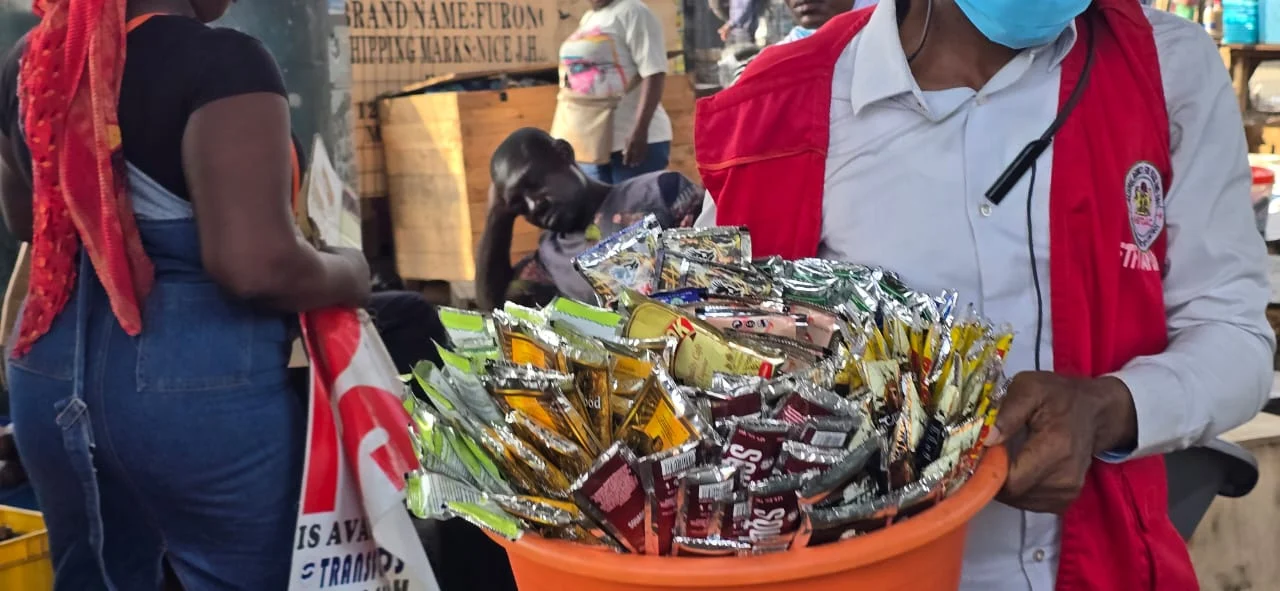
The NAFDAC sachet alcohol ban covers alcoholic drinks sold in sachets and PET or glass bottles below 200ml.
The policy has been years in the making. NAFDAC said manufacturers were given a five-year period to phase out the products, while full enforcement began in 2026. The agency has also ordered manufacturers to recall banned products and warned that facilities could face closure for non-compliance.
But traders say the enforcement is hurting their businesses. In August, retailers in Ibadan protested that product seizures had damaged their income and left some businesses struggling to repay loans. NAFDAC maintains that it is carrying out its regulatory responsibility to protect public health.
What Happens Next
The immediate test for NAFDAC will be whether the ban actually reduces harmful alcohol consumption among young Nigerians.
For the policy to have a wider effect, enforcement may also need to be matched with public education, treatment for alcohol dependence and stronger action against illegal production.
Adeyeye’s comments have therefore widened the debate. The question is no longer only whether small alcohol packages should be banned, but whether restricting access to them can contribute meaningfully to solving some of Nigeria’s wider social and security problems.