










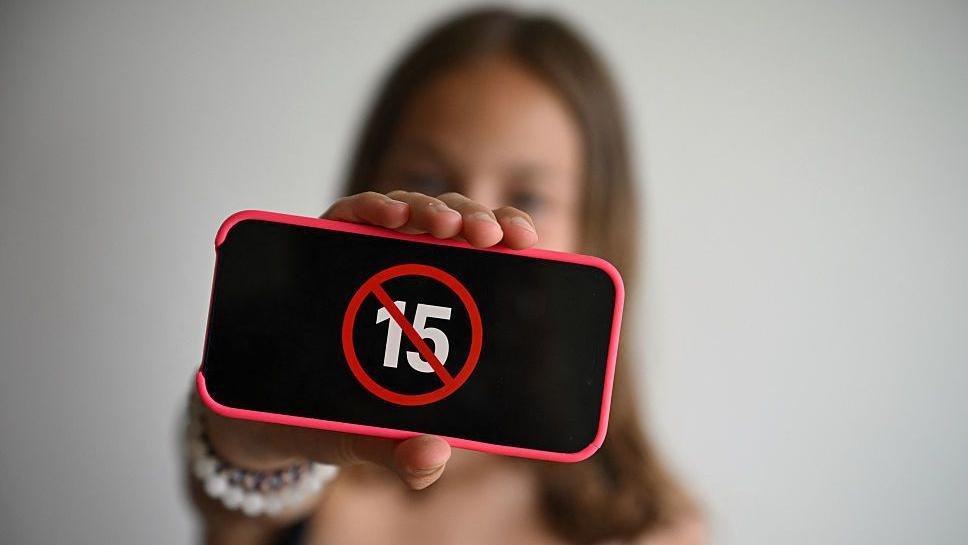
French President Emmanuel Macron is pushing for an EU social media ban for children under 15, taking the fight to Brussels after France’s attempt to introduce similar restrictions was blocked by the country’s Constitutional Council.
In a letter to European Commission President Ursula von der Leyen dated August 29, Macron called for new European legislation that would prevent children under 15 from accessing social media platforms. He argued that a common EU rule is needed to protect children and avoid different age limits across European countries.
Why Macron Wants an EU-Wide Ban
The Macron social media ban under 15 proposal is partly a response to the failure of France’s own legislation.
France had approved a law aimed at restricting social media access for under-15s, but the Constitutional Council blocked it in August, saying parts of the legislation raised concerns over freedom of expression and privacy.
Rather than abandoning the idea, Macron is now looking for a European solution. His argument is that children should receive similar protection regardless of which EU country they live in. A common rule could also prevent social media companies from dealing with different age requirements across the bloc.
The Debate Goes Beyond Age Limits
The EU social media ban for children under 15 could also lead to wider changes in how platforms operate.
Macron has called for stronger rules around addictive features and safety-by-default standards for children. His proposal also raises the question of how platforms would verify a user’s age while still protecting their privacy.
That could make age verification one of the biggest challenges if the EU moves forward. The debate is already dividing European governments. Some countries are considering similar restrictions, while others have argued that decisions about children’s social media use should remain primarily with parents.
What Happens Next?
The Macron social media restrictions proposal will now depend on whether the European Commission and EU member states are willing to support new legislation.
European Commission President Ursula von der Leyen has previously discussed a more gradual approach to children’s access, rather than Macron’s blanket under-15 restriction. That means negotiations could produce a policy different from France’s proposal.
For Macron, however, the message is clear: France’s failed attempt has not ended the campaign.
If the proposal gains support, the European debate could move from whether children should have access to social media to a much bigger question: how much control should governments have over the digital spaces children use?