









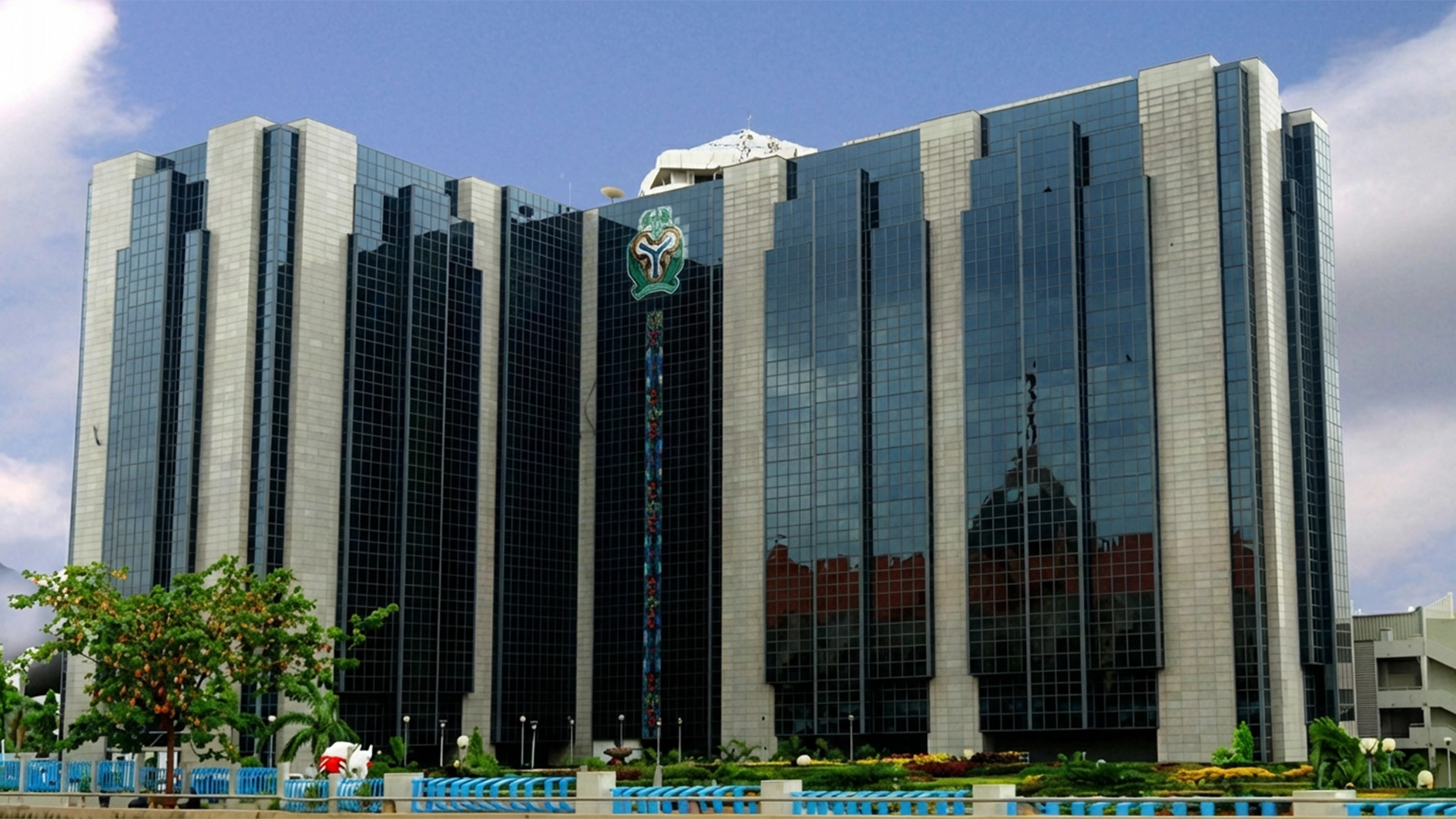
The CBN terrorism financing supervision 2026 push is putting Nigerian banks and other financial institutions under closer scrutiny as the Central Bank of Nigeria moves to strengthen controls against the use of the financial system to fund terrorism.
In a September 8 statement, the CBN said terrorism financing supervision had become a current supervisory priority. The focus will include transaction monitoring, suspicious activity reporting, targeted financial sanctions and stronger risk management.
What the CBN Is Looking For
The new focus means the CBN terrorism financing rules for banks will be backed by more active supervision. The apex bank is expected to use both on-site examinations and off-site monitoring to assess how financial institutions identify and manage terrorism-financing risks. Banks and other regulated institutions will need to show that their systems can detect suspicious transactions and that relevant reports are made when necessary.
This puts more responsibility on compliance teams to identify unusual financial activity rather than simply reacting after suspicious funds have moved through the system.
The CBN’s existing AML/CFT framework already uses a risk-based approach, meaning institutions are expected to receive supervisory attention based on the risks they present.
Why the CBN Is Tightening Its Approach
The Nigeria banks terrorism financing monitoring drive comes as Nigeria continues to strengthen its financial crime controls.
The CBN has introduced several measures in recent years, including stronger anti-money laundering supervision and new standards for automated AML systems. It has also directed financial institutions to implement sanctions linked to terrorism financing.
Nigeria’s wider progress was recognised in October 2025 when the Financial Action Task Force removed the country from its grey list after reforms to its anti-money laundering and counter-terrorism financing framework.
The latest move suggests the regulator does not want those reforms to remain on paper. It wants financial institutions to demonstrate that the controls are working in practice.
What This Means for Banks and Customers
The CBN suspicious transaction reporting push could lead to more scrutiny of transactions that financial institutions consider unusual or potentially linked to illicit activity.
For banks and payment companies, this means stronger compliance systems, better transaction monitoring and faster responses to regulatory requests. Non-compliance can expose regulated institutions to sanctions under existing AML/CFT requirements.
For customers, increased monitoring does not automatically mean ordinary banking activity will be blocked. The bigger change is that banks will face greater pressure to understand the transactions passing through their systems and identify activity that requires further investigation.
The real test will be enforcement. If the CBN’s increased supervision produces better suspicious-transaction detection and stronger action against illicit financial networks, the policy could strengthen confidence in Nigeria’s financial system. If not, the latest warning could become another compliance exercise without a major impact on terrorism financing.


One thought on “CBN Terrorism Financing Supervision 2026: Banks Face Tighter Monitoring and Compliance Checks”