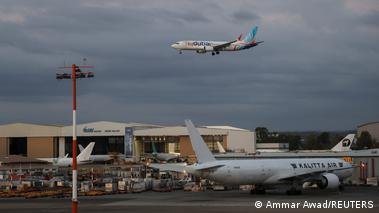










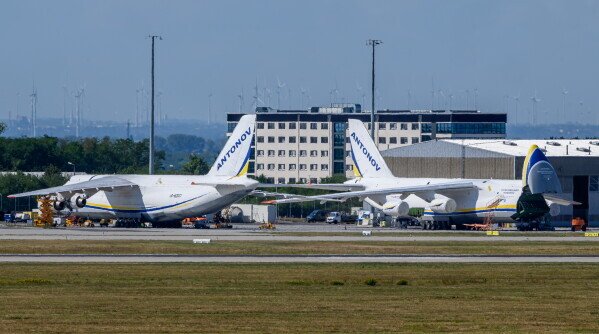
Germany has formally blamed Russia for an attempted Leipzig Airport drone attack, saying intelligence and police investigations point to Russian involvement. The drone, found on August 4 near Ukrainian cargo aircraft, was carrying explosives but was successfully defused before it could cause casualties.
The accusation matters because Leipzig/Halle is not just another airport. It is an important logistics hub with links to operations supporting Ukraine and NATO, making the incident part of a wider European security concern.
German officials described the incident as consistent with a pattern of Russian hybrid warfare, which can include sabotage, cyberattacks and covert operations rather than conventional military strikes.
Germany Targets Russian Diplomatic Presence
Berlin has responded with diplomatic measures rather than military action. Germany announced the closure of Russia’s consulate in Bonn and plans to end the agreement covering the Russian House cultural centre in Berlin. It also wants further Russian individuals added to EU sanctions lists.
Russia has rejected the accusations, calling them false and politically motivated. The dispute could further damage already strained relations between Berlin and Moscow, while Germany pushes other European countries to treat suspected Russian sabotage as a wider security threat.
Zelensky Warns Airlines About Russian Airspace
At the same time, Ukrainian President Volodymyr Zelensky has warned international airlines and insurers that Russian airspace is becoming increasingly unsafe as Ukraine expands its long-range drone operations. He said the growing number of Ukrainian drones could make Russian skies effectively unusable for civilian aviation.
The warning marks another change in the conflict. Ukraine is increasingly taking its drone campaign deeper into Russian territory, while Russia continues launching large-scale attacks on Ukrainian cities.
For airlines, the issue is no longer only military targets. More drone activity could mean temporary airport closures, disrupted flight routes, higher insurance costs and longer journeys for passengers.
The bigger concern is that the war is creating security risks far beyond the battlefield, forcing European governments and airlines to rethink how safe critical infrastructure and civilian air routes really are.