







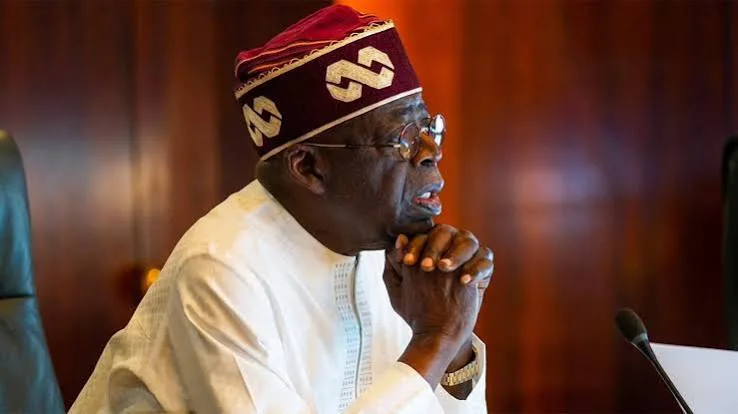
President Bola Tinubu and APC governors have agreed to push for cheaper transport fares from October 1, using Compressed Natural Gas (CNG) and electric vehicles to reduce the cost of moving people within Nigerian states. The plan could become one of the most visible tests yet of whether the government’s CNG policy can translate into direct relief for ordinary Nigerians.
The key question is no longer simply whether CNG is cheaper than petrol. It is whether those savings will actually reach commuters.
Why Tinubu Is Betting on CNG
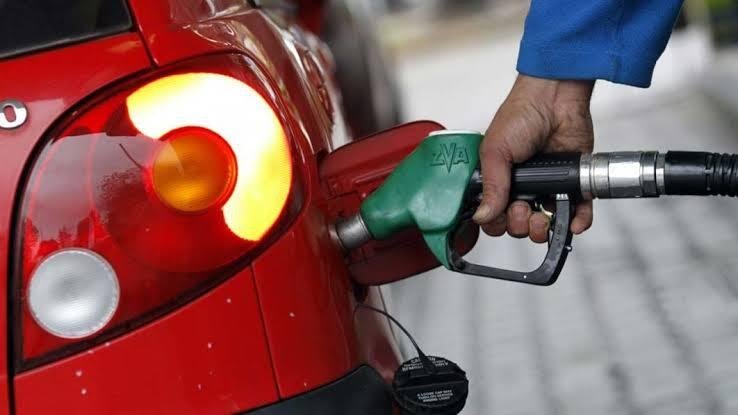
According to Tinubu, vehicles running on CNG can spend 60 to 80 per cent less on fuel than petrol-powered vehicles. The government wants transport operators to pass part of that lower operating cost to passengers.
The focus on intra-state transportation is important because state governments have more control over local transport systems. A joint federal and state committee will now work on implementing the plan.
More than 120,000 vehicles have reportedly already been converted to CNG, while more than 100,000 additional conversion kits are being processed.
500 More CNG Stations Could Make the Difference
The biggest infrastructure announcement is Tinubu’s order for 500 additional CNG stations. This would bring the planned national network to 1,000 stations when combined with the 500 previously ordered.
That expansion matters because cheaper fuel means little to a transport operator who cannot easily find a place to refuel. The government is also financing more than 100 gas infrastructure projects, including CNG mother and daughter stations, while electric vehicles are being included in the wider transport strategy.
Will Nigerians Actually Pay Less?
This is where the policy faces its biggest test. Lower fuel costs do not automatically guarantee lower fares. Vehicle financing, maintenance, conversion costs, spare parts, driver expenses and transport union pricing can all influence what passengers eventually pay.
The October 1 target therefore gives governors and the federal government a clear deadline. If fares fall noticeably, the CNG programme could become a practical example of how energy reform can improve daily life. If fares remain high, Nigerians may question where the promised savings are going.
For Tinubu, the timing is also politically significant. After the hardship linked to petrol subsidy removal, delivering cheaper transportation would give the government a highly visible economic win.