









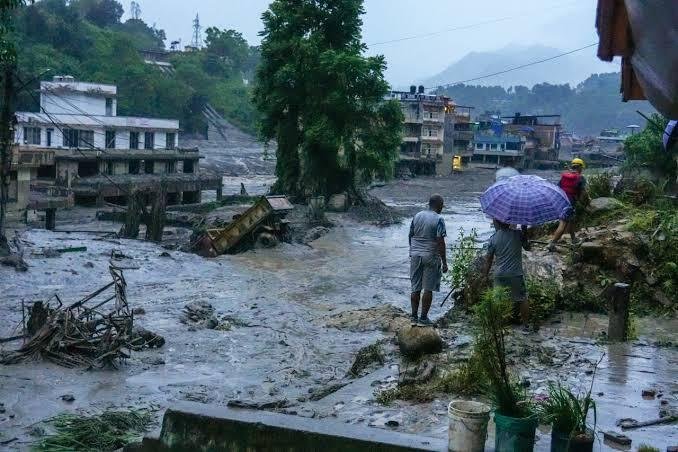
The Nepal floods have become one of the deadliest disasters in the region after a powerful flash flood swept through communities near the Nepal-China border. The latest reports put the death toll at more than 600, while nearly 3,000 people remain missing across Nepal and Tibet.
The disaster was linked to an ice-rock avalanche in the Himalayas that sent huge amounts of water, mud and debris through valleys and rivers. Roads, bridges, homes and power facilities were destroyed, making it difficult for rescuers to reach some of the worst-hit areas.
The scale of the Nepal flood death toll is still changing as rescue teams reach isolated communities. More than 3,700 people have already been rescued in Nepal, but difficult terrain, poor weather and the risk of further flooding are slowing the search for missing people.
Why the Himalayan Disaster Is Raising Climate Concerns
The floods have also renewed questions about the growing danger facing communities living around Himalayan glaciers. Scientists say rising temperatures are destabilising high-mountain environments, potentially making sudden ice and debris events more dangerous.
The immediate priority remains finding survivors, but the destruction of roads, bridges and energy infrastructure could create a much longer recovery challenge for Nepal and neighbouring areas.
Algeria Battles Deadly Wildfires
Thousands of kilometres away, Algeria wildfires have created another major emergency. Fires swept through northeastern provinces including Jijel, Béjaïa and Tizi Ouzou, killing at least 12 people and injuring 54 others.
Algerian authorities recorded 193 fires in a 24-hour period, with 46 still burning at the time of the latest update. President Abdelmadjid Tebboune declared three days of national mourning, while emergency teams continued fighting the flames and restoring damaged infrastructure.
The fires are particularly concerning because Algeria has already experienced thousands of fires this year. Hotter temperatures and prolonged drought are making summer fires more intense, highlighting the wider impact of climate change on disaster risks.
Two Disasters, One Bigger Warning
The Nepal floods and Algeria wildfires are very different disasters, but they share an important lesson. Extreme weather can quickly overwhelm communities and critical infrastructure, while recovery can take far longer than the initial emergency response.
For Nepal, the immediate focus is rescuing thousands of missing people. In Algeria, authorities face the task of containing remaining fires and rebuilding affected communities.

One thought on “Nepal-China Floods and Algeria Wildfires: Two Disasters Show a Growing Climate Risk”