










Global markets opened the week with mixed sentiment as investors balanced encouraging signs in Nigeria’s foreign exchange market against renewed political uncertainty in Europe and a modest rebound in U.S. technology stocks.
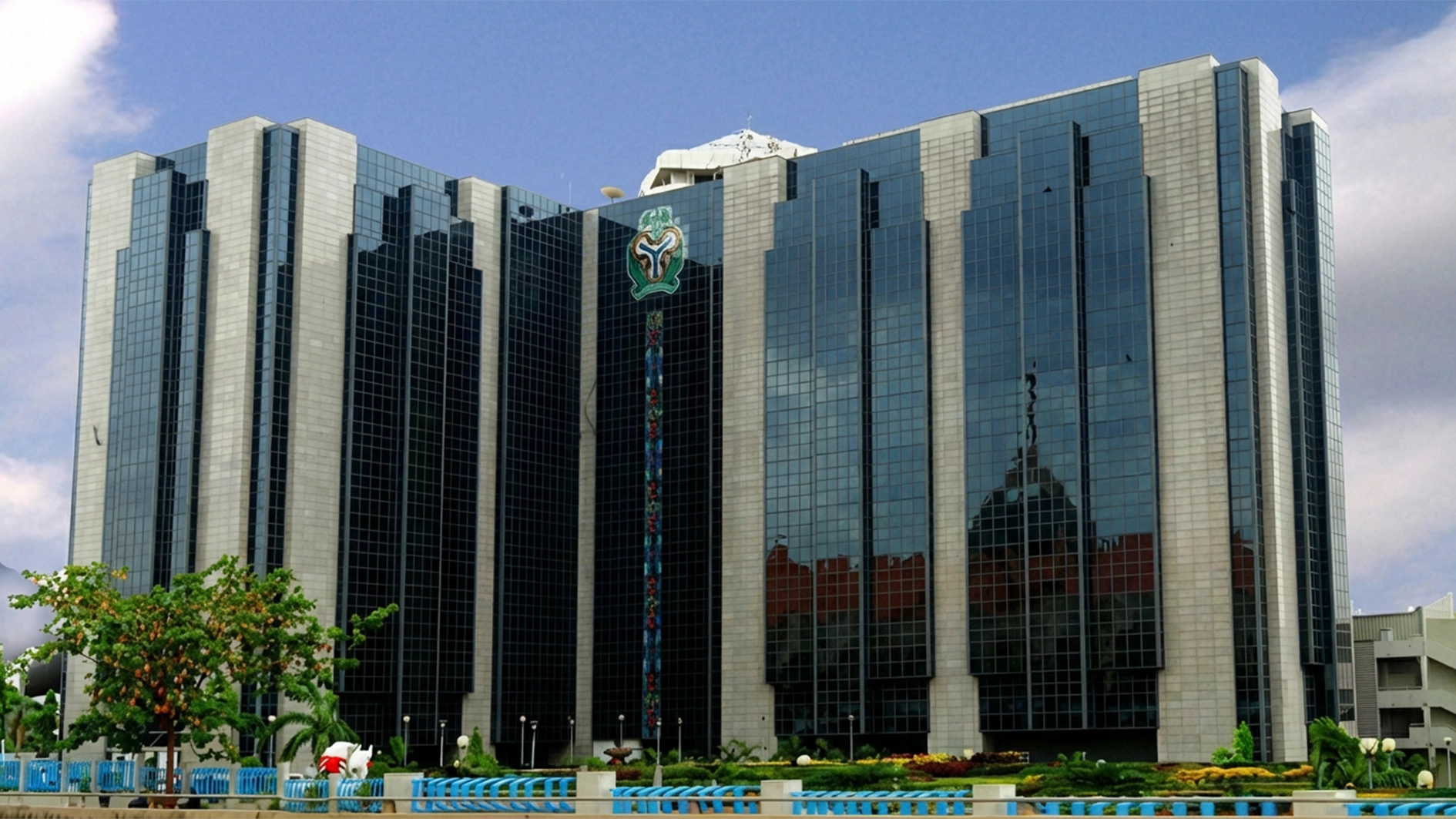
In Nigeria, the naira remained largely stable in early parallel market trading, exchanging between ₦1,395 and ₦1,415 per U.S. dollar across Lagos and Abuja. Traders attributed the relative calm to improved dollar liquidity following recent interventions by the Central Bank of Nigeria (CBN), which have helped narrow volatility in recent weeks. Market analysts say the steady exchange rate is providing short-term confidence for businesses and importers despite broader economic challenges.
Across the Atlantic, Wall Street futures pointed higher in early trading as major technology stocks attempted to recover from last week’s sharp Nasdaq sell-off. Investors cautiously returned to mega-cap companies ahead of the upcoming mid-year corporate earnings season, though analysts warned that market volatility could persist as traders assess company guidance and the outlook for interest rates. Technology shares remain particularly sensitive to earnings expectations after recent profit-taking.
Meanwhile, European markets experienced a volatile start following the first round of France’s parliamentary elections, where Marine Le Pen’s National Rally secured a commanding lead in preliminary results. The outcome reignited investor concerns about France’s fiscal direction and the future of economic policy within the eurozone.
The euro swung sharply against the U.S. dollar during morning trading as investors evaluated the political uncertainty. Financial markets are now watching closely to see whether the second round of voting could reshape France’s government and influence European Union economic policy.
Analysts say the combination of geopolitical uncertainty, election risk and upcoming corporate earnings is likely to keep global financial markets on edge throughout the week.