









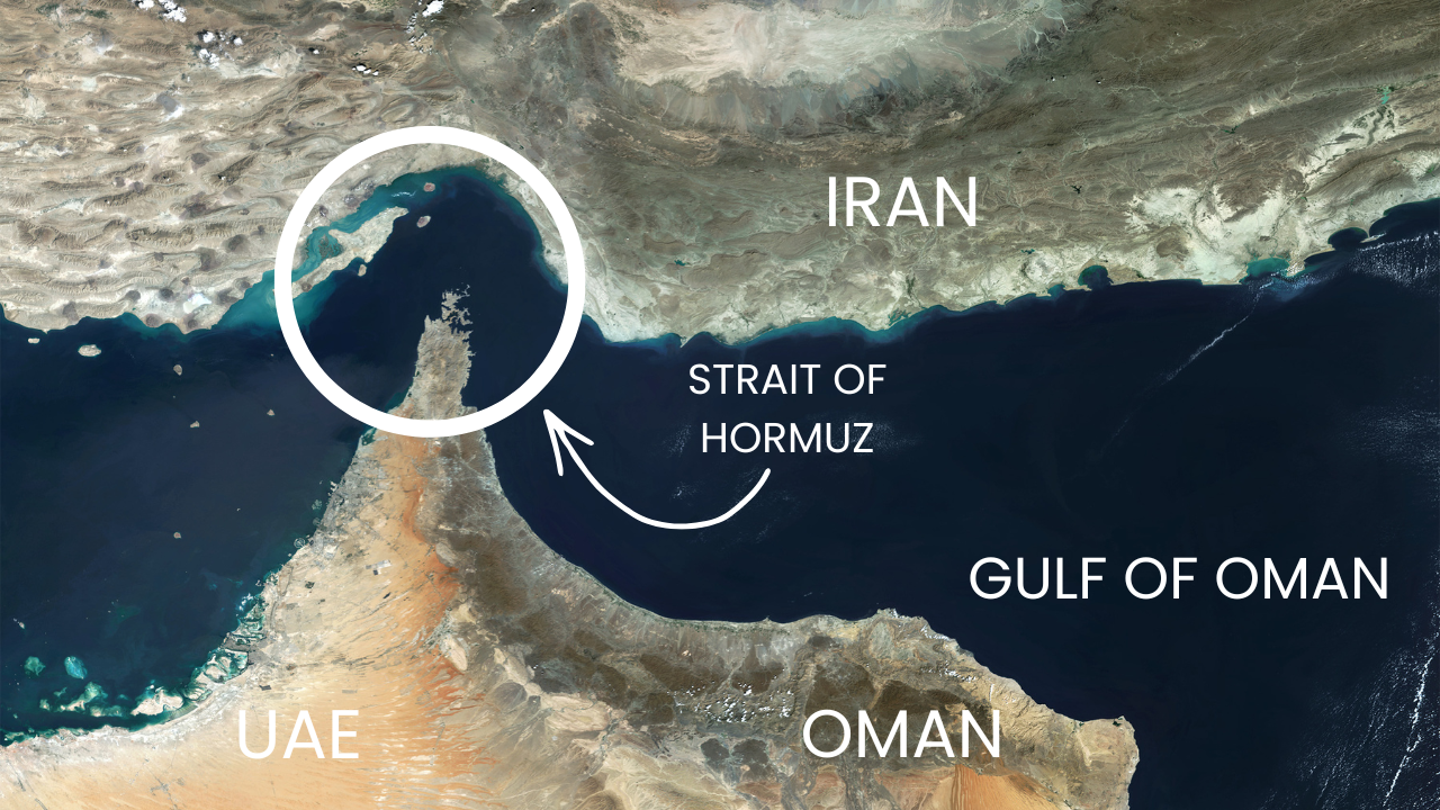
Iran offers to reopen Strait of Hormuz within seven days if the United States lifts its blockade of Iranian ports and eases military pressure around the strategic waterway, according to a senior Iranian official cited by Kyodo News on September 22, 2026.
The proposal comes as the United States and Iran remain locked in a prolonged conflict, while diplomats gather in New York for the United Nations General Assembly. The timing gives the Strait of Hormuz a new role in the diplomatic effort: reopening the world’s critical oil route could become an early test of whether Washington and Tehran can move from military pressure back to negotiations.
Iran Links Hormuz Reopening to US Action
According to the Iranian official, Tehran has already communicated the proposal to Washington through a mediator. Iran would reopen the strait within seven days if the US lifts its port blockade and halts military operations connected to the waterway.
The proposal is important because it ties one of the world’s most important shipping routes directly to the wider dispute between the two countries. Iran is effectively putting the reopening of Hormuz on the negotiating table rather than treating it as a separate shipping issue.
Iran has previously attached conditions to reopening the waterway. In August, President Masoud Pezeshkian said Iran had agreed with Oman on a passage route through the strait and would reopen it if Washington fulfilled commitments linked to sanctions, the blockade and other parts of the conflict.
Why the Strait of Hormuz Matters
The Strait of Hormuz is one of the most important energy routes in the world. Before the current conflict, roughly a fifth of global oil and liquefied natural gas trade passed through the waterway.
But shipping has already fallen sharply. Reuters reported on September 21 that only 17 commodity vessels crossed the strait over the weekend, compared with 37 the previous week and a pre-war average of about 125 vessels per day.
That disruption has kept pressure on global energy markets. Brent crude was still above $100 a barrel on September 21, although prices had begun falling as traders responded to signs of improving maritime traffic and renewed diplomacy.
UN General Assembly Becomes a Diplomatic Test
The proposal arrives as US, Iranian and regional officials are in New York for the UN General Assembly.
Iranian Foreign Minister Abbas Araghchi has arrived in New York, while Qatar and other regional governments are pushing for an arrangement that could restore navigation through Hormuz and create room for renewed negotiations.
The United States has also allowed senior Iranian officials, including President Masoud Pezeshkian and Foreign Minister Araghchi, to attend the UN meetings despite the ongoing conflict.
There is no agreement yet, however. The Iranian offer is a proposal, not confirmation that the waterway will reopen.
What Happens to Oil Prices Next?
The immediate market reaction shows why the proposal matters beyond Iran and the US.
Any credible progress toward reopening Hormuz could reduce the risk premium built into crude prices because traders would have greater confidence that oil shipments can move through the Gulf. Recent reports already show that expectations of diplomacy have contributed to lower oil prices.
But a failed negotiation could have the opposite effect. Shipping remains far below normal levels, and the wider region is still exposed to attacks and disruptions, including Houthi activity around the Red Sea.
For now, the seven-day proposal creates a clear diplomatic test. If Washington responds positively, Hormuz could become the starting point for broader talks. If the conditions are rejected, the energy market may continue to price in the risk of prolonged disruption.
One thought on “Iran Offers to Reopen Strait of Hormuz Within 7 Days if US Lifts Blockade”