








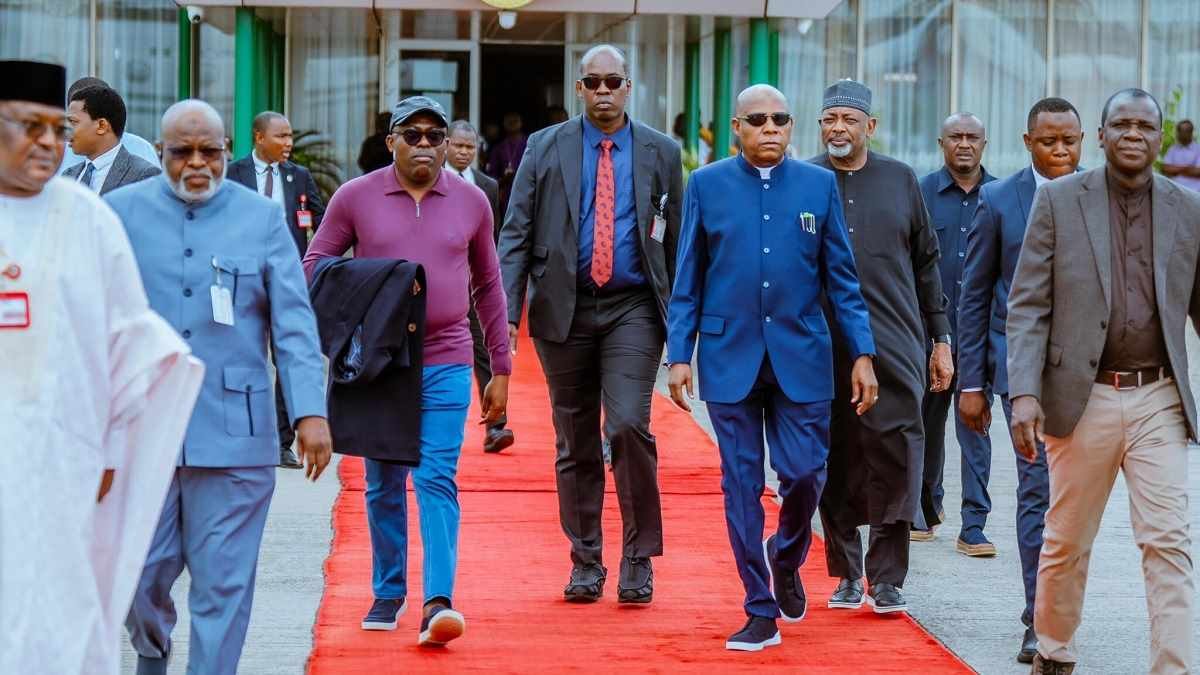
Vice President Kashim Shettima has arrived in New York to lead Nigeria’s delegation to the 81st United Nations General Assembly, with the country preparing to push for changes to global institutions and a stronger voice for developing countries.
Shettima is representing President Bola Tinubu at the gathering, which brings world leaders and senior officials together from September 22 to 28, 2026. Nigeria’s focus is not only on its role at the United Nations but also on how decisions made by global institutions affect the country’s economy, development and diplomatic interests.
Why Nigeria Is Focusing on Global Institutional Reform
The main message from the Nigerian delegation is that international institutions need to better reflect today’s economic and demographic realities.
Shettima said Nigeria believes the institutions governing the world should become more representative, equitable and responsive. He also said Nigeria’s engagements would be guided by national interest while maintaining its commitment to multilateral cooperation.
This puts global institutional reform at the centre of Nigeria’s 81st UNGA participation. The argument is also part of a wider African push for changes to global governance. The UN’s Office of the Special Adviser on Africa has identified reform of global governance and the international financial system as major African priorities ahead of the assembly.
What Nigeria Wants to Discuss at the 81st UNGA
Beyond institutional reform, Nigeria is expected to raise issues covering international finance, climate finance, sustainable development and technology access.
The delegation is also expected to hold bilateral meetings with foreign governments, international organisations and development partners during the UNGA week. These meetings give Nigeria an opportunity to pursue economic diplomacy alongside its political and diplomatic priorities.
For Nigeria, the financial side of the discussion could be particularly important. African governments have been calling for changes to the global financial system because of concerns around debt vulnerabilities, high borrowing costs and access to development finance.
A Busy UNGA With Global Crises on the Agenda
Nigeria’s delegation is entering a UNGA week dominated by major international challenges. The official theme for the 81st session is “Restoring trust, managing transformation: A United Nations that delivers for all.”
The General Debate runs from September 22 to 26 and resumes on September 28. The programme also includes high-level discussions on climate action, the right to development, sea-level rise and pandemic preparedness.
Shettima is expected to deliver Nigeria’s national statement during the General Debate. The speech will provide a clearer picture of how Abuja intends to connect its call for a stronger global voice with Nigeria’s economic, security and development interests.
The bigger issue to watch is therefore what Nigeria can secure from the meetings beyond statements. With reform of global institutions, access to finance, climate funding and international partnerships all on the agenda, the outcome of Nigeria’s diplomatic engagements will matter as much as the speeches made in New York.


One thought on “Shettima Leads Nigeria’s 81st UNGA Delegation as Abuja Pushes for Global Institutional Reforms”