








The recovery of hundreds of human remains from Gaza rubble has triggered a fresh call from the United Nations for international investigators to gain access to the territory, as concerns grow that important evidence could disappear before it is properly examined.
The latest development shifts attention from the immediate destruction caused by the war to what investigators may still be able to establish from the remains and damaged buildings left behind.
Hundreds of Remains Recovered From Gaza Rubble
UN human rights chief Volker Türk said more than 630 bodies had been recovered from destroyed buildings, with women and children making up a large proportion of the remains. Many appeared to belong to entire families.
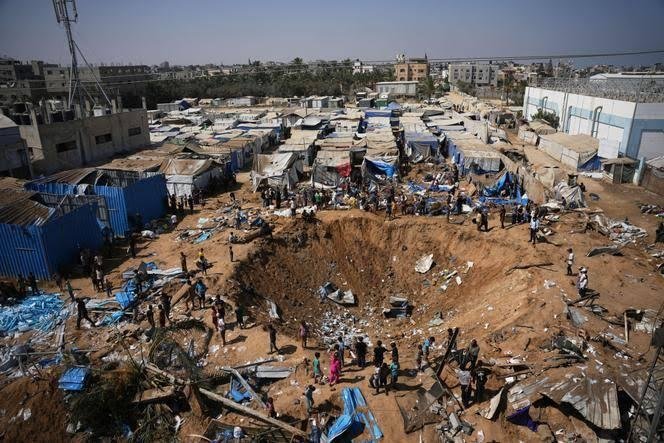
In one area of Gaza City, Palestinian Civil Defence teams reportedly recovered 96 bodies and human remains, including 58 children and 23 women. The recovery work has been made harder by shortages of heavy equipment and restrictions affecting access to machinery and forensic materials.
The scale of the Gaza human remains under rubble is also difficult to determine. The UN estimates that more than 8,000 people could still be buried beneath debris across the territory, while clearing the rubble could take years.
Why International Investigators Want Access
The UN’s concern is not simply about counting the dead. Investigators want to preserve evidence that could help establish what happened at specific sites.
That could include identifying victims, documenting injuries, examining buildings and collecting other forensic evidence. Such material could become important in future Gaza war crimes investigations.
The UN has warned that continued demolition and rubble removal could destroy evidence before investigators have an opportunity to examine it. A UN expert previously warned that large-scale rubble removal could erase traces of alleged atrocity crimes.
The Evidence May Shape What Comes Next
Israel has maintained that its military operations comply with international law and says it targets militants rather than civilians. The latest UN concerns do not by themselves establish that war crimes occurred. They reinforce the need for independent investigation to determine responsibility.
That makes access a major issue. If international investigators are allowed into Gaza, the recovery of human remains could move from a humanitarian operation into a wider forensic effort aimed at documenting how people died and what happened to the buildings where they were found.
For families still searching for missing relatives, the process also offers a chance to identify victims and give them proper burials.
For the wider international community, the evidence recovered from Gaza’s rubble could influence future legal investigations and how the destruction of the war is documented.