






Nigeria’s 2027 election campaign has officially entered a new phase, but the first National Peace Accord signed by presidential candidates is already facing an important question: will politicians actually follow the rules they have just promised to respect?
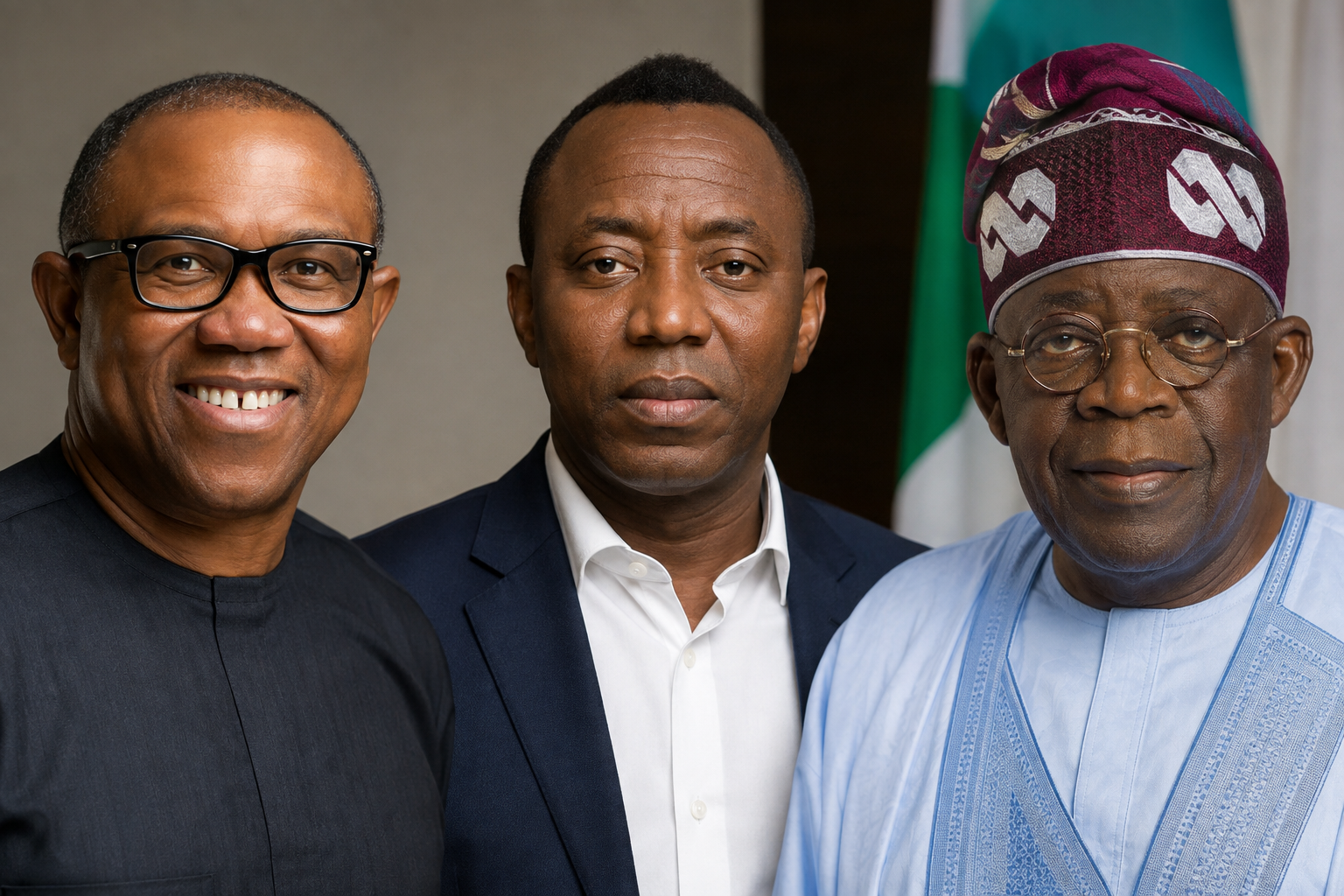
Presidential candidates and political party leaders gathered in Abuja on Tuesday to sign the accord ahead of the formal start of campaigns. Peter Obi of the Nigeria Democratic Congress and African Action Congress candidate Omoyele Sowore were among those who signed, while President Bola Tinubu was represented by Secretary to the Government of the Federation George Akume.
The agreement commits candidates to issue-based campaigns and discourages violence, hate speech, misinformation, personal attacks and other behaviour that could threaten the election. The issues identified include security, poverty, education and national unity. But the event itself showed why the accord may be needed.
Atiku’s Absence Raises Questions
Former Vice President Atiku Abubakar, one of the biggest opposition figures in the 2027 race, was absent from the signing ceremony. His absence was notable because the election is shaping up to be another major contest between Tinubu and a fragmented opposition that includes Atiku, Obi and other candidates.
That fragmentation could become one of the biggest stories of the election. The opposition has struggled to maintain a united front against Tinubu, despite previous efforts to form a coalition. With 18 presidential challengers reportedly in the race, the peace agreement may promote calm, but it does not solve the political divisions that could shape the election itself.
Sowore’s Experience at the Venue Shows the Problem
Sowore also had an uncomfortable experience before signing the agreement.
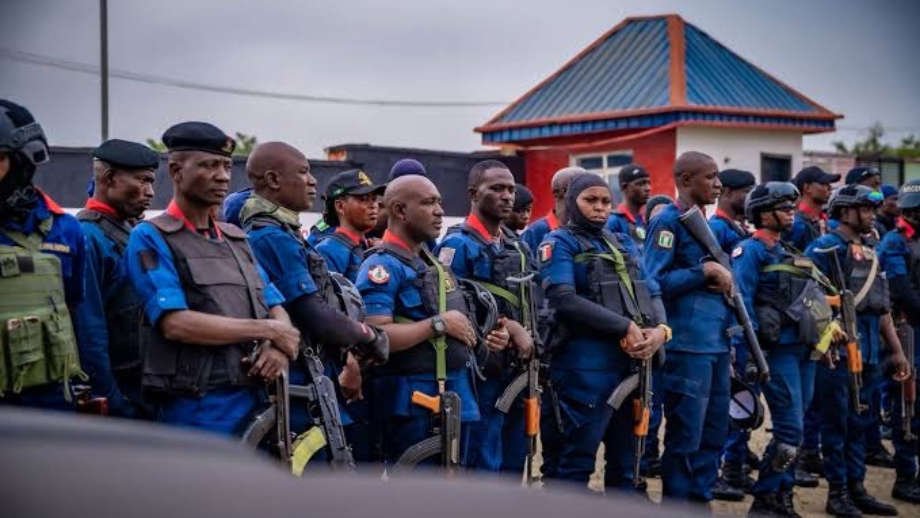
The AAC candidate reportedly faced difficulties gaining access to the venue, with DSS operatives asking for proof of his invitation despite his status as a presidential candidate. He later questioned why candidates should face different treatment at an event designed to promote fairness and peaceful elections.
That incident is significant because a peace accord is about more than candidates promising not to attack one another. It also requires political institutions and security agencies to treat contestants fairly.
Obi Wants Voters to Punish Violators
Obi has taken a tougher position on what should happen if politicians break the agreement. He urged Nigerians to reject candidates who violate the pact at the ballot box.
That puts the responsibility partly on voters. A peace agreement can be signed in a room in Abuja, but its real strength depends on whether politicians face consequences for breaking it.
Sowore, meanwhile, has reportedly described the accord as a “ritual” and called for actual sanctions against violators.
The Real Test Starts Now
The timing makes the agreement particularly important. Campaigns officially begin today, August 19, meaning the candidates are moving from speeches and political positioning into the period when attacks, rallies and online campaigns will intensify.
Nigeria’s 2027 election will take place amid economic hardship, security concerns and deep political divisions. That makes the promise of an issue-based campaign more important than the ceremony itself.
The peace accord is a good start. But Nigerians will ultimately judge it by what happens when the campaigns become heated, not by what politicians said while cameras were watching.
One thought on “Nigeria’s 2027 Peace Accord Faces Its First Test Before Campaigns Even Begin”