









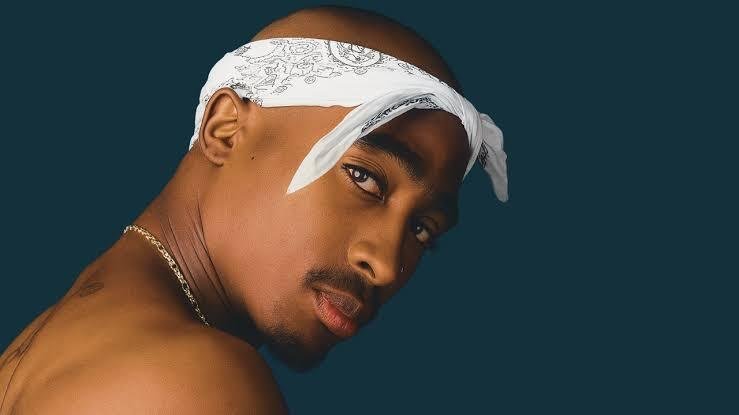
Nearly 30 years after Tupac Shakur was shot and killed in Las Vegas, the courtroom is finally getting its chance to examine one of hip-hop’s most famous unsolved murders.
The trial of Duane “Keffe D” Davis began Monday with opening arguments before a 16-member jury in Clark County, Nevada. Davis, 63, is the only person ever charged in connection with Tupac’s death. He has pleaded not guilty to murder with a deadly weapon. But this trial is unusual because prosecutors do not claim Davis pulled the trigger.
Instead, they say he planned and directed the attack, supplied the gun and organized the shooting as revenge after Tupac and his associates were involved in a fight with Davis’s nephew, Orlando Anderson, at the MGM Grand earlier that night. Prosecutors described Davis as the person in control of the operation, while the actual gunman has never been formally identified in court.
Davis’ Own Words Could Decide the Case
Perhaps the most important evidence is not a new discovery from the crime scene. It is what Davis himself has said over the years.
Prosecutors are expected to rely heavily on interviews, recordings and Davis’ 2019 memoir, Compton Street Legend, in which he discussed his involvement in the events surrounding Tupac’s shooting. Investigators say his public statements helped reopen a case that had remained unsolved for decades.
That gives the prosecution a powerful argument: Davis talked about the killing long before he was charged. But it also gives the defense an obvious way to fight back.
Defence Says His Stories Cannot Be Trusted
Davis’ lawyers are arguing that his past statements are unreliable and that prosecutors are presenting fiction as fact.
His defense has also pointed to the age of the case. Nearly three decades have passed since Tupac was killed, meaning memories have faded, witnesses have died and some of the people allegedly involved in the shooting are no longer alive. Three other men who were in the Cadillac from which the shots were fired have since died.
That could become one of the biggest problems for prosecutors. They need to convince the jury that Davis’ statements are evidence of his involvement rather than stories he exaggerated over the years.
Why This Trial Matters to Hip-Hop
Tupac’s death became much bigger than a murder case. His shooting came during one of the most violent periods in hip-hop, when tensions between rival artists, record labels and gangs had become deeply connected.
His death, followed by the 1997 murder of The Notorious B.I.G., helped create one of music’s longest-running mysteries. Now, almost three decades later, the trial could finally establish what happened that night in Las Vegas.
The case is expected to last about a month, with prosecutors planning to call dozens of witnesses. For Tupac’s family and millions of fans, however, the question is not simply whether someone will be convicted.
It is whether the court can separate what people have said for decades from what can actually be proven. That may ultimately decide the fate of the man sitting in the courtroom.