








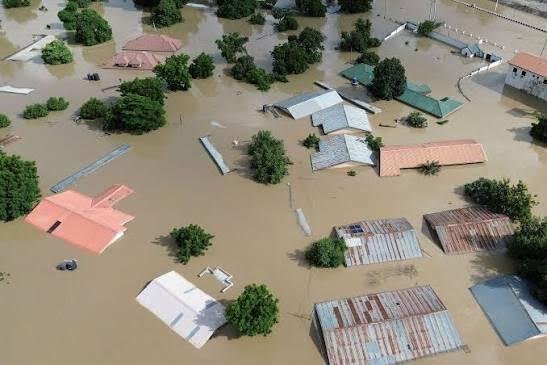
The Nigerian Meteorological Agency (NiMet) has warned residents in several parts of the country to prepare for flash flooding as torrential rainfall increases the risk of sudden flooding. The warning comes amid Nigeria’s peak rainy season, when saturated soil, overwhelmed drainage systems and intense downpours can turn ordinary rainfall into a serious hazard.
Recent NiMet and government flood assessments have repeatedly identified states across the North, North-Central and South as vulnerable, with Cross River among areas that have consistently appeared on high-risk lists.
But the bigger concern isn’t simply whether it will rain. It is whether Nigerian cities and communities are prepared to handle the water once it arrives.
Flash floods are particularly dangerous because they can develop rapidly. A road that looks passable at the beginning of a downpour can become impossible to cross minutes later. NiMet has previously warned motorists against driving through floodwater because the depth and strength of the current can be difficult to judge.
And the problem goes beyond flooded streets. Heavy rainfall can disrupt electricity and telecommunications, damage roads and bridges, affect farms and leave businesses unable to operate. Previous NiMet warnings have specifically highlighted risks to transportation, infrastructure and agricultural activity when intense rainfall combines with already saturated ground.
For states such as Kano, where flooding may not immediately come to mind in the same way it does in coastal areas, the warning is a reminder that flash flooding is not exclusively a southern or coastal problem. Poor drainage, intense rainfall and rapid runoff can create dangerous conditions almost anywhere.
Cross River, meanwhile, has repeatedly featured in flood-risk assessments. NiMet’s own flood-risk mapping has identified the state among areas with significant flash-flood potential. This is why the next few days should not be treated as simply another weather forecast.
The warning gives residents, businesses and emergency agencies something extremely valuable: time to prepare before the water arrives. That means clearing blocked drains, avoiding known flood-prone routes, securing electrical equipment and taking weather alerts seriously.
For authorities, it means the same thing on a larger scale: emergency teams should not wait for streets to become rivers before responding. Because with flash floods, the difference between a warning and a disaster can be what happens in the hours before the rain starts.