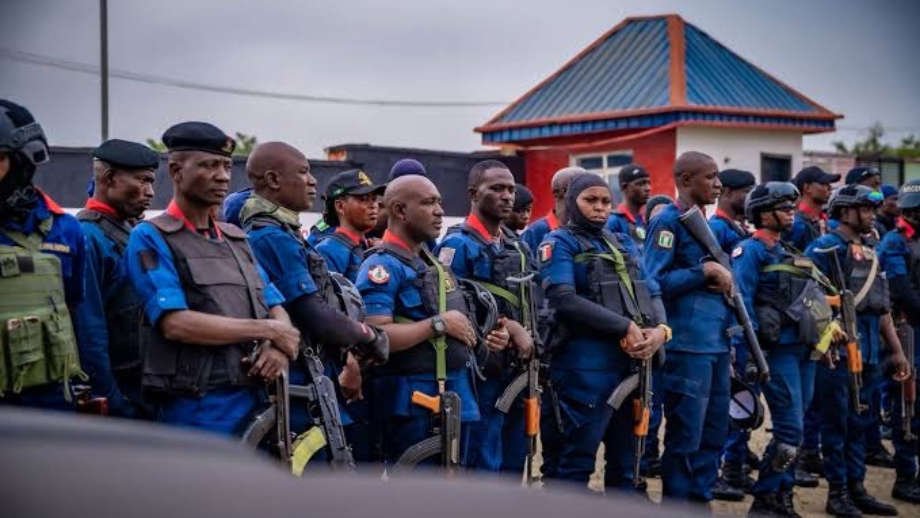









Nigeria’s security agencies face renewed scrutiny over allegations of people being held for years without trial, raising a question that goes beyond individual cases: how can the state fight insecurity effectively if people can remain in detention without a clear judicial resolution?
One of the cases attracting attention is that of Onyeaka Ozioma Elizabeth, an Anambra woman who was reportedly arrested in 2020 and held at the Wawa military detention facility in Kainji, Niger State. She recently appeared at the Federal High Court in Abuja, where reports said she described being in detention for more than five years without trial. Her lawyer, Aloy Ejimakor, has repeatedly raised concerns about her detention.
There is also the case of Ahize, whose arrest in Imo State in 2022 allegedly involved DSS and Army personnel before he was moved through different detention facilities, according to Ejimakor and reports on the broader issue.
These cases are particularly troubling because detention is supposed to lead somewhere: a suspect is investigated, charged where there is sufficient evidence, tried and either convicted or released. When that process stretches into years, the distinction between lawful detention and punishment without conviction becomes increasingly difficult to defend.
The wider scale of the allegations is even more concerning. A joint report by Intersociety and the Ekwenche Research Institute claims that more than 6,000 South-East families remain unable to trace relatives who disappeared between 2021 and 2026, with the organizations alleging that many disappeared after arrests by security agencies. Those figures are claims by the organizations and have not been independently verified, but they illustrate the depth of distrust surrounding security operations in the region.
And that distrust has consequences. Security agencies may have legitimate reasons to investigate suspected links to violent groups, particularly amid attacks associated with separatist and criminal networks. But national security cannot become a substitute for judicial process. The longer authorities cannot explain where detainees are, what they are accused of, or why they have not been brought before a court, the harder it becomes to convince affected communities that security operations are being conducted fairly.
The real test now should be transparency. For every person held for years without trial, Nigerians deserve answers: What is the allegation? Where is the evidence? Why has there been no trial? And if there is insufficient evidence, why has the person not been released?
Fighting insecurity requires intelligence and strong security institutions. But it also requires public trust. Without that, every new arrest risks creating another family that believes the state has simply made their relative disappear.