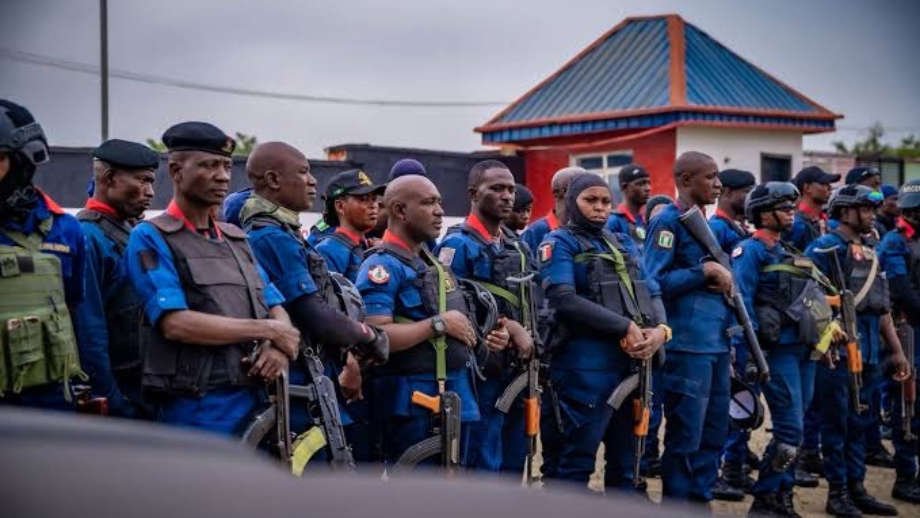








Nigeria has taken two major steps aimed at overhauling its security architecture after the House of Representatives passed the State Police Bill while President Bola Tinubu approved a significant expansion of the Nigerian Army.
The House of Representatives on Thursday approved the executive constitutional amendment bill establishing state police, despite a walkout by members of the minority caucus, who argued that due parliamentary procedures were not fully followed during its consideration. The bill had earlier been passed by the Senate and now moves to the next constitutional stage, requiring approval by at least two-thirds of the 36 state Houses of Assembly before it can become law.
Supporters of the proposal say decentralising policing will help states respond more effectively to insecurity, while opposition lawmakers maintained that their objection was to the legislative process rather than the creation of state police itself.
In a separate development, President Tinubu approved the expansion of the Nigerian Army from eight to 12 divisions as part of a broader effort to strengthen national defence. The approval also includes the recruitment of 28,000 additional soldiers, alongside continued investment in military equipment, troop welfare and force modernisation.
According to the Presidency, the expansion is intended to improve the Armed Forces’ capacity to tackle evolving security threats across the country. The additional divisions will be strategically positioned to enhance operational readiness and improve responses to terrorism, banditry, kidnapping and other security challenges.
Taken together, the two developments signal one of the most significant security reform efforts in recent years. While the State Police Bill seeks to decentralise law enforcement through constitutional changes, the Army expansion focuses on strengthening federal military capabilities. Both measures now face the challenge of effective implementation as Nigeria continues to confront widespread security concerns.