








Tensions remain elevated across the Middle East after the United States and Saudi Arabia announced a landmark civilian nuclear cooperation agreement, while regional leaders and analysts continue to warn that the deal could reshape the region’s security landscape.
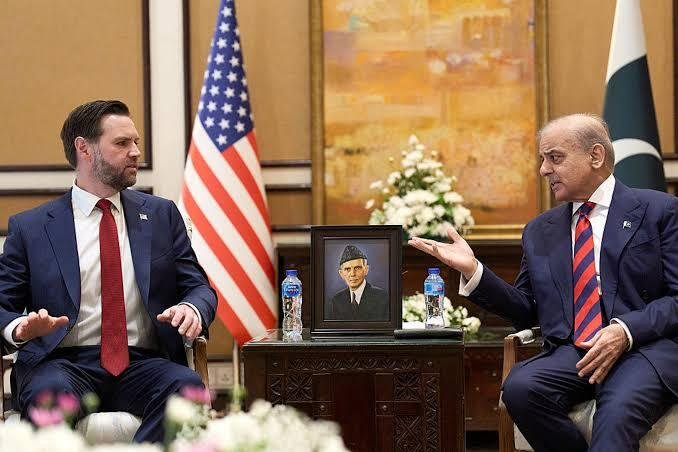
The agreement, signed this week, is designed to support Saudi Arabia’s civilian nuclear energy programme over the next three decades, with American companies expected to play a leading role in developing reactors and related infrastructure under U.S. oversight.
However, the deal quickly became more complicated after U.S. President Donald Trump said it would only move forward if Saudi Arabia normalises relations with Israel by joining the Abraham Accords. The additional condition was announced a day after the agreement, raising fresh uncertainty over its future, as Saudi Arabia has consistently maintained that normalisation depends on meaningful progress toward Palestinian statehood.
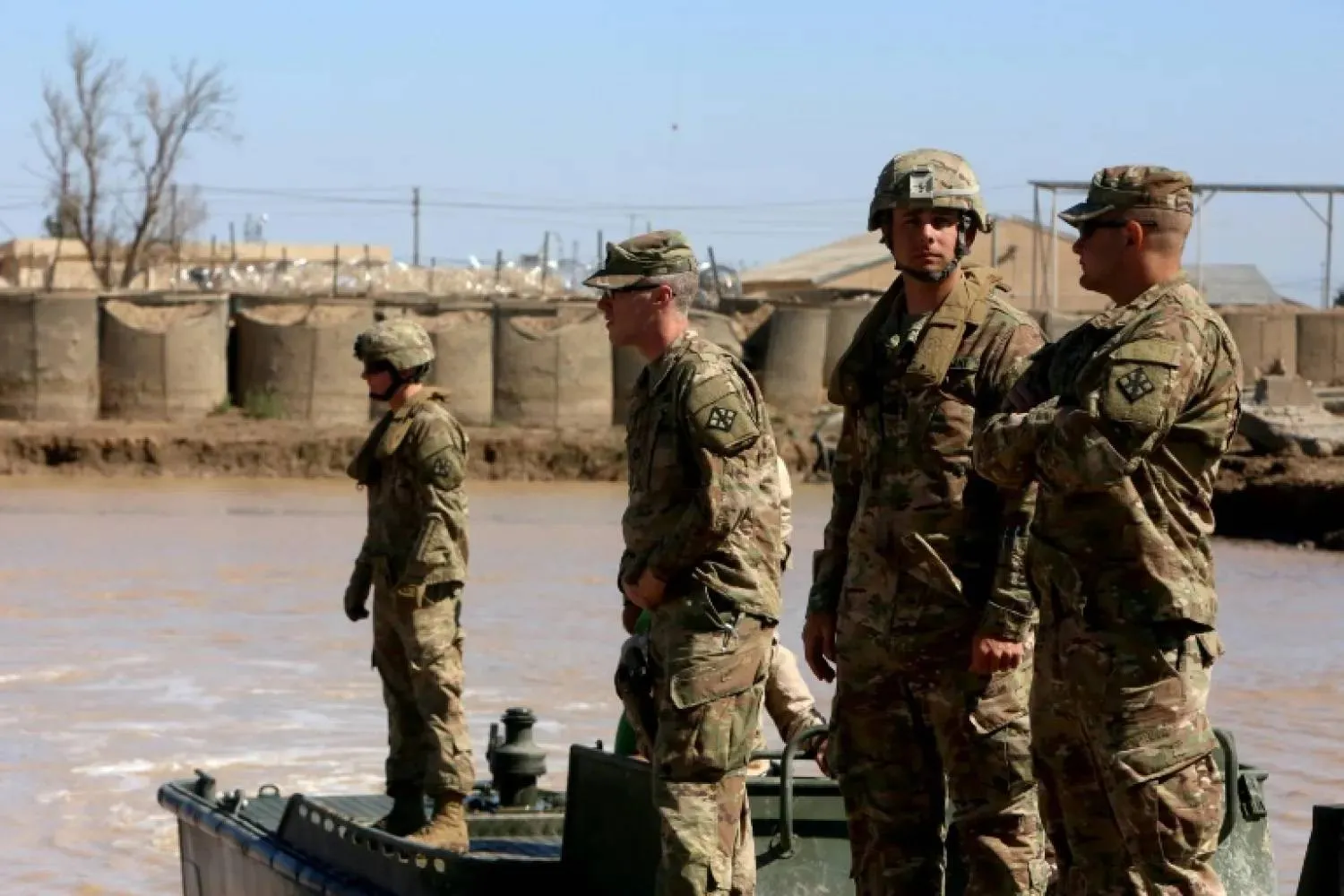
The development comes at a time of heightened regional instability. The United States has continued military operations against Iran, while concerns over maritime security, oil supplies and broader regional escalation remain high. UN Secretary-General António Guterres has warned that the Middle East is approaching a dangerous tipping point, urging restraint from all sides.
Another point attracting attention is the nuclear component of the agreement. Although Washington insists the programme is strictly for peaceful civilian purposes, some non-proliferation experts and regional observers fear the arrangement could encourage a wider nuclear competition in the Middle East if neighbouring countries seek similar capabilities.
The agreement will still face congressional review in the United States, while diplomatic efforts continue to balance strategic cooperation with Saudi Arabia against broader concerns over regional security, nuclear safeguards and the ongoing conflict involving Iran.