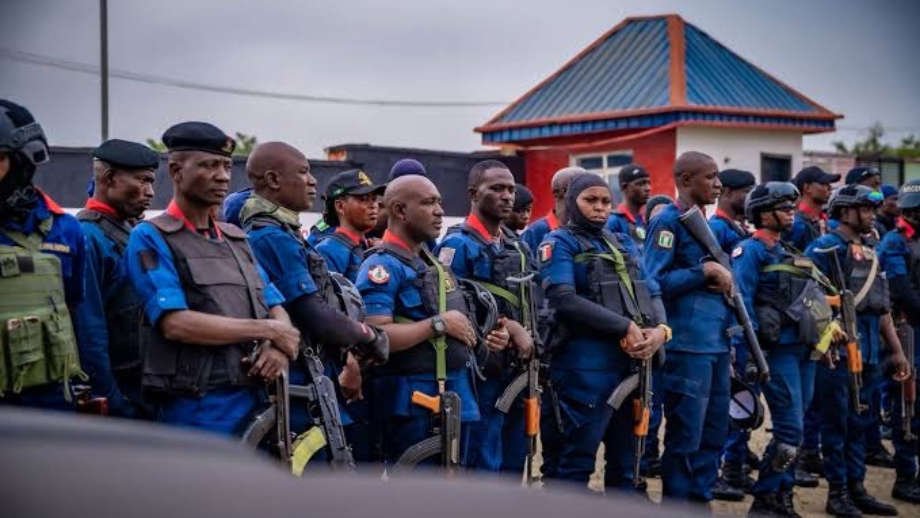









The Nigeria Police Force has launched a nationwide crackdown on vehicles with concealed, altered or missing number plates, warning that offenders will face arrest, vehicle impoundment and prosecution.
Inspector-General of Police Olatunji Disu issued the directive during a meeting with senior police officers, ordering Commissioners of Police, tactical commanders and heads of formations across the country to immediately intensify enforcement against vehicles operating without visible registration plates. He described the growing trend as a serious threat to public safety and national security.
According to the police chief, criminals involved in kidnapping, armed robbery, terrorism and other violent crimes frequently exploit unregistered or deliberately obscured vehicles to evade identification and frustrate investigations. He stressed that every vehicle on Nigerian roads must display approved registration plates in line with the law, adding that there would be no exemptions or preferential treatment during the enforcement exercise.
Under the directive, police officers have been empowered to stop, impound and prosecute any vehicle found without number plates or with plates that are covered, defaced, altered or deliberately concealed. The force said the measure is aimed at strengthening crime prevention, intelligence gathering and overall public security.
The renewed enforcement follows similar operations in several states, including Ondo, where authorities recently impounded vehicles found violating registration regulations.
The announcement has generated mixed reactions among Nigerians. Many welcomed the move, arguing that stricter enforcement could help curb crime and improve security. Others, however, questioned whether the policy would be applied equally to VIP convoys, government officials and politically connected individuals. Some also expressed concerns that the exercise could be abused by corrupt officers through extortion if adequate oversight is not maintained.