









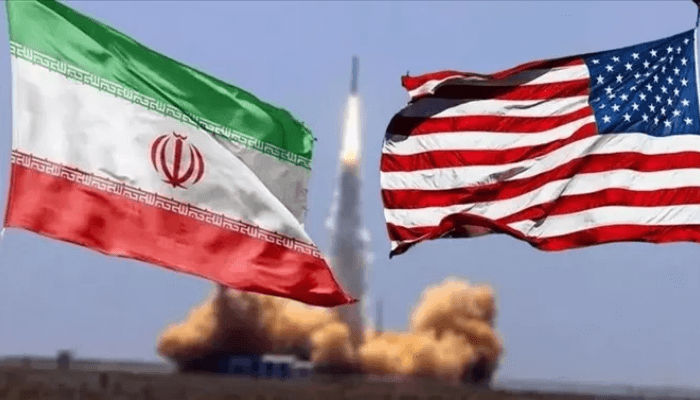
Fresh military exchanges between the United States and Iran have placed their week-old ceasefire under severe strain, raising fears of renewed instability around the Strait of Hormuz, one of the world’s most strategically important shipping lanes.
The latest escalation began after Iran was accused of attacking the Singapore-flagged cargo vessel M/V Ever Lovely in the Strait of Hormuz. In response, the U.S. military launched airstrikes on Friday targeting Iranian missile and drone storage facilities, as well as coastal radar installations believed to support attacks on commercial shipping. U.S. Central Command described the operation as a limited response aimed at protecting international maritime traffic.
Iran condemned the strikes as a violation of the recently signed ceasefire memorandum and retaliated by launching attacks against U.S. positions in the Gulf region. Both governments have accused each other of breaking the terms of the June agreement, which was intended to extend a 60-day truce while negotiations over Iran’s nuclear program and regional security continued.
The memorandum, brokered in Switzerland and signed by U.S. President Donald Trump and Iranian President Masoud Pezeshkian, included provisions to reopen the Strait of Hormuz to commercial shipping, ease restrictions on maritime traffic, and create space for diplomatic negotiations.
Despite the latest violence, officials said no casualties were reported from Friday’s strikes or the earlier attack on the commercial vessel. However, shipping companies remain on high alert, with several vessels delaying transit through the Strait as insurers reassess regional risks.
The Strait of Hormuz handles roughly 20% of the world’s oil exports, making any disruption a major concern for global energy markets. Although oil prices have remained relatively stable for now, analysts warn that another escalation could quickly send prices higher and further complicate already fragile diplomatic efforts.