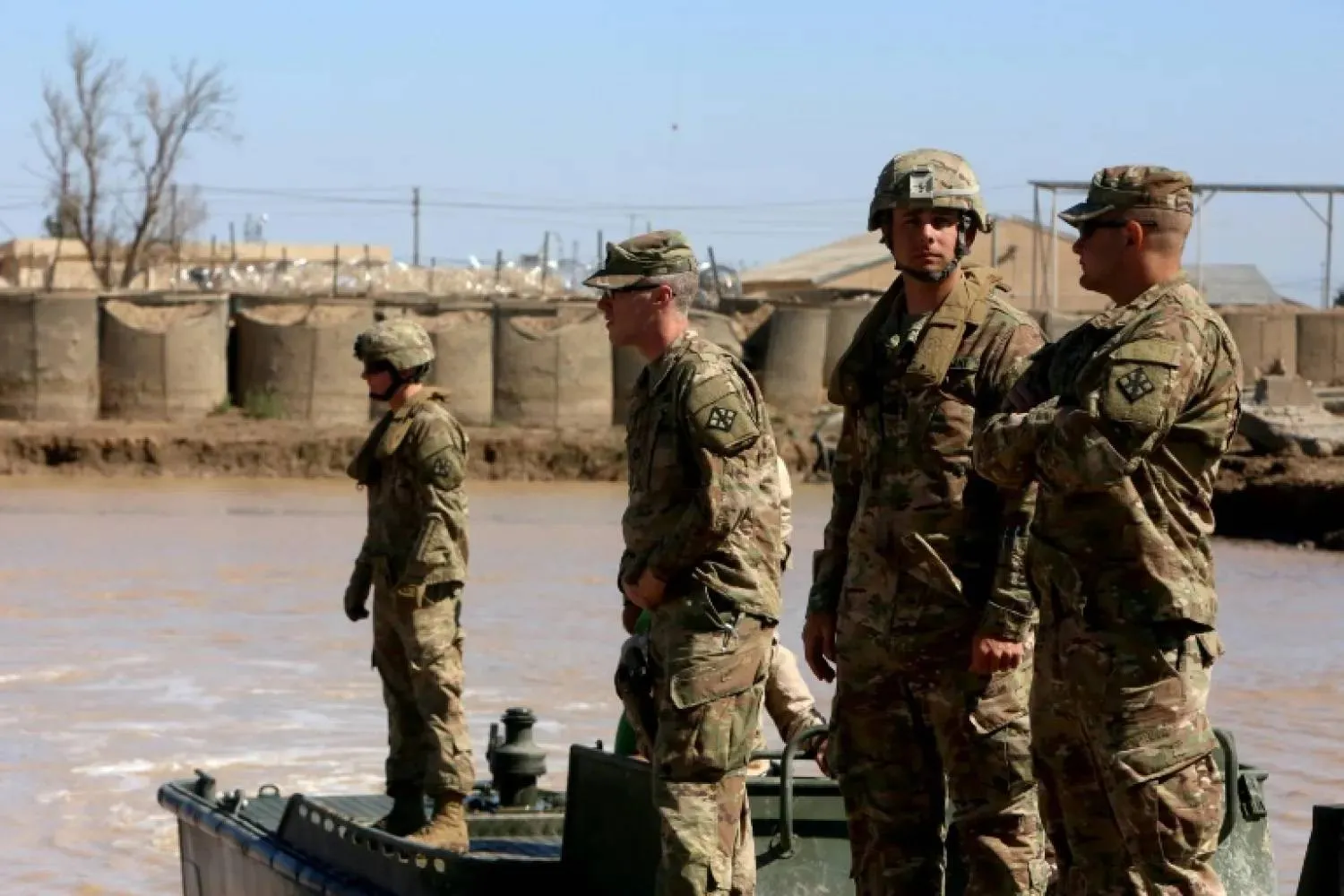



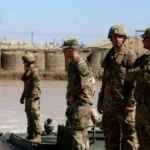



President Donald Trump has ordered the Pentagon to substantially reduce joint military exercises with South Korea, saying the drills are expensive and send an unnecessarily hostile message to North Korea.
But the most interesting part of the decision may be what it means for South Korea itself.
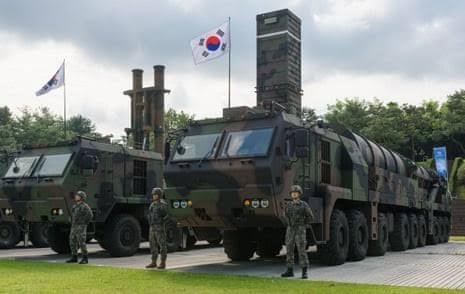
Rather than simply weakening Seoul, Trump’s move could push President Lee Jae Myung to accelerate his plans for a more independent South Korean military. Lee has called for Seoul to take greater control of its own defense, including efforts to regain wartime operational control of South Korean forces from the United States.
Trump Is Betting on Diplomacy With Kim
Trump says his decision is partly based on his relationship with North Korean leader Kim Jong Un.
He has described Kim as respectful and said the military exercises send an inappropriate signal to Pyongyang. Trump has also said that Kim has responded to his recent diplomatic outreach, raising the possibility of renewed talks between Washington and Pyongyang.
That is the gamble behind the decision. For decades, the US and South Korea have used joint exercises to maintain military readiness and demonstrate that they can respond together to a North Korean attack. Pyongyang, however, has long described the drills as preparations for an invasion.
Trump appears to believe that reducing them could create more space for diplomacy.
Seoul Has a Different Problem
South Korea cannot simply assume that diplomacy will work. North Korea has continued developing its nuclear and missile capabilities and has strengthened its relationship with Russia.
That makes military readiness particularly important for Seoul. Analysts have warned that reducing exercises could weaken coordination and deterrence if the changes go too far.
That explains why Lee is now stressing the need for South Korea to build its own military strength.
The South Korean president has said the country should strengthen its independent defence capabilities and move towards regaining wartime operational control of its forces. He has also backed faster progress on major military projects, including nuclear-powered submarines.
The US Alliance Is Not Ending
Importantly, Seoul is not abandoning Washington. Lee has continued to describe the US alliance as important to South Korea’s security. His argument is essentially that a stronger South Korean military would make the alliance stronger, not replace it.
That could become the long-term consequence of Trump’s decision. If Washington reduces its role in military exercises, Seoul may have to spend more, train more independently and take greater responsibility for its own defense.
What Happens If Kim Does Not Respond?
That is the biggest risk. Trump is making the military reduction partly as a diplomatic gesture, but North Korea has not shown that it is ready to give up its nuclear weapons or quickly return to negotiations. Experts remain skeptical that reducing drills alone will produce a breakthrough.
So South Korea is now caught between two possibilities. If Trump’s strategy works, fewer military exercises could help reopen communication with Pyongyang.
If it fails, Seoul could find itself having reduced an important part of its joint military preparation without getting anything significant from North Korea in return.
Trump is betting that fewer drills can create room for peace. Lee’s response suggests South Korea is preparing for the possibility that it may have to defend itself more independently if that bet fails.