









Plateau State’s cholera outbreak has reached 537 suspected cases and 17 deaths, but the latest figures also tell a more complicated story. While the number of people affected continues to rise, health authorities say active transmission has been brought under control in several of the areas that were previously hit hardest.
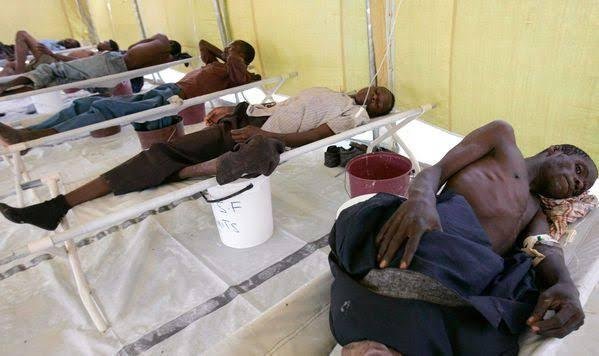
The outbreak began in June and has spread across several communities in the state. As of the latest update, 517 patients had been treated and discharged, while only three patients remained on admission, all in Jos North Local Government Area. Six cases have been confirmed through laboratory culture and another 26 through rapid diagnostic testing.
That means the biggest concern now may not simply be treating patients. It is stopping new infections before the outbreak moves into more communities.
Jos North Is Now the Main Concern
Mangu, where the outbreak was first detected, currently has no patients on admission. Barkin Ladi and Jos South have also reported no active patients in treatment.
Jos North, however, remains the only area with patients currently receiving care. This shift is important because it shows how quickly the centre of an outbreak can change. Health officials are therefore keeping surveillance teams on alert across all local government areas instead of focusing only on the communities where the outbreak started.
Earlier figures showed how serious the situation became in Mangu. The area recorded dozens of cases across multiple wards and settlements, with health officials previously linking some of the deaths to people arriving at health facilities too late.
The Bigger Fight Is Over Water and Sanitation
Cholera is not only a hospital problem. The disease spreads through contaminated food and water, meaning medical treatment alone cannot stop an outbreak if people continue using unsafe water sources or living in poor sanitation conditions.
That is why the Plateau government is now working with environmental authorities and development partners on sanitation, surveillance and household water treatment. Through the SURWASH programme, chlorine has been provided to households where water sources have been identified as a concern.
This could become the most important part of the response. If contaminated water is responsible for new infections, treating patients without fixing the source simply creates a cycle where recovered patients are exposed again.
The Death Toll Shows Why Early Treatment Matters
The 17 deaths are also a warning about how quickly cholera can become dangerous. Health officials are urging anyone experiencing severe diarrhoea or vomiting to seek medical attention immediately. Early treatment can significantly improve the chances of recovery, while delays can make the disease much harder to manage.
For Plateau, the next few weeks will therefore be crucial. The state has shown that it can bring active cases down in some affected areas. The challenge now is preventing the outbreak from finding another community to spread through.
The number to watch is no longer just how many cases Plateau has recorded. It is whether new cases begin falling consistently.


One thought on “Plateau Cholera Outbreak: Cases Are Rising, but the Response Is Starting to Show Results”