







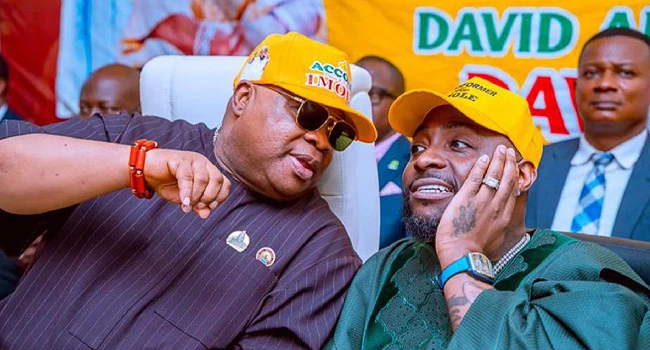
Davido entered the Osun governorship election as one of the most visible celebrity supporters of his uncle, Governor Ademola Adeleke. He leaves it saying he wants nothing more to do with Nigerian politics.
After Adeleke defeated APC candidate Bola Oyebamiji with 511,067 votes to 444,815, Davido celebrated the victory. But within hours, his mood changed. He accused his critics of being “ruthless and disgusting” and said he had backed his family on his own. He then declared that Nigerian politics was “evil” and that he did not want to be part of it until things changed.
His decision is interesting because Davido’s involvement in Osun was not exactly low-key. He used his enormous social media audience to speak about the election, urged voters to remain vigilant and publicly criticized what he described as attempts to manipulate the process. He also appealed to the international community before the election and became one of the most recognizable faces associated with Adeleke’s campaign.
Davido Just Saw Both Sides of Political Influence
The reaction to Davido’s announcement exposes the strange position celebrities now occupy in Nigerian politics. They have something traditional politicians often struggle to build: direct access to millions of young people.
APC National Youth Leader Dayo Israel actually credited Davido with playing an important role in Adeleke’s youth mobilization, arguing that the singer used his influence, digital reach and credibility to connect the campaign with younger voters.
But Davido rejected that description, saying he did not bring anyone and that he simply supported his family. Either way, the election showed that celebrity influence can now become part of serious political campaigns.
But Influence Comes With a Price
The problem is that once a celebrity enters politics, people stop treating them simply as entertainers. Every post becomes political. Every friendship becomes political. Every family connection becomes political.
Davido experienced that pressure during the campaign. He was attacked by critics over his involvement, while he also became increasingly vocal about alleged violence and irregularities.
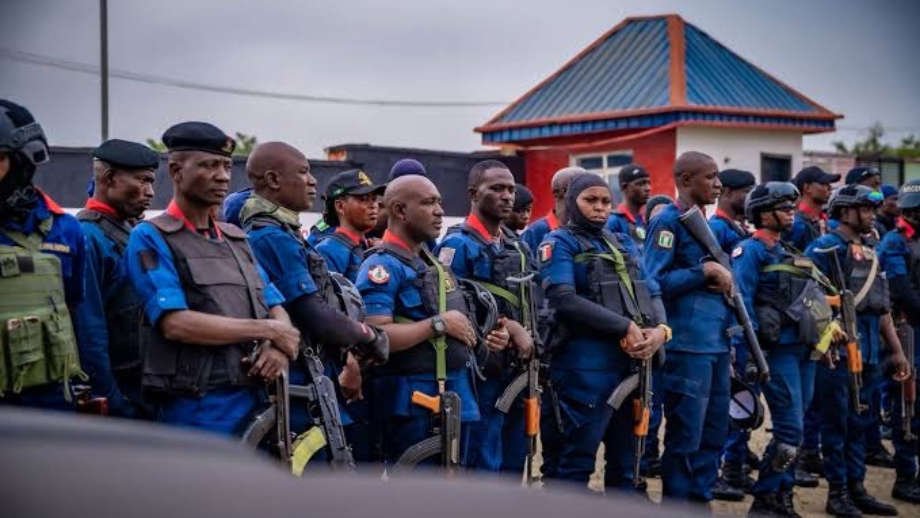
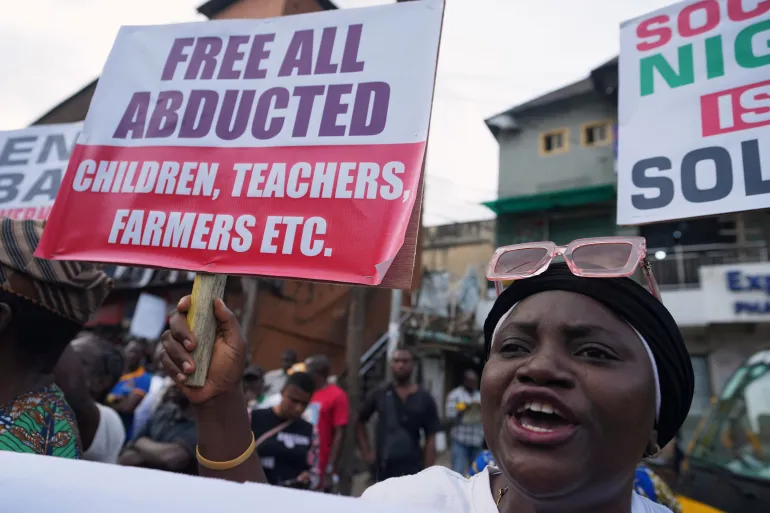
The political environment was already tense. Ahead of the election, APC and Accord separately claimed that members had been killed during the campaign period, with a combined figure of 18 deaths reported by the parties. That figure was not independently verified as a single confirmed death toll, but election-related violence was a major concern in the build-up to the poll.
So when Davido says he is done with politics, it may be less about losing interest in public affairs and more about discovering how different political conflict is from celebrity rivalry.
What This Means for 2027
Davido’s exit does not mean young Nigerians will suddenly stop engaging in politics. If anything, Osun has shown political parties why musicians, influencers and other young public figures matter. Even the APC’s own youth leadership has acknowledged that its failure to connect with younger voters was one of the lessons from the election.
The bigger lesson, however, may be for celebrities. Davido has demonstrated that celebrity influence can move political conversations. But he has also shown that entering politics means accepting attacks, accusations and expectations that do not disappear simply because the election is over.
For now, he says he has done his job. He helped his family win. Now he wants out of the political fight. Whether he stays away when the 2027 elections arrive is another question entirely.