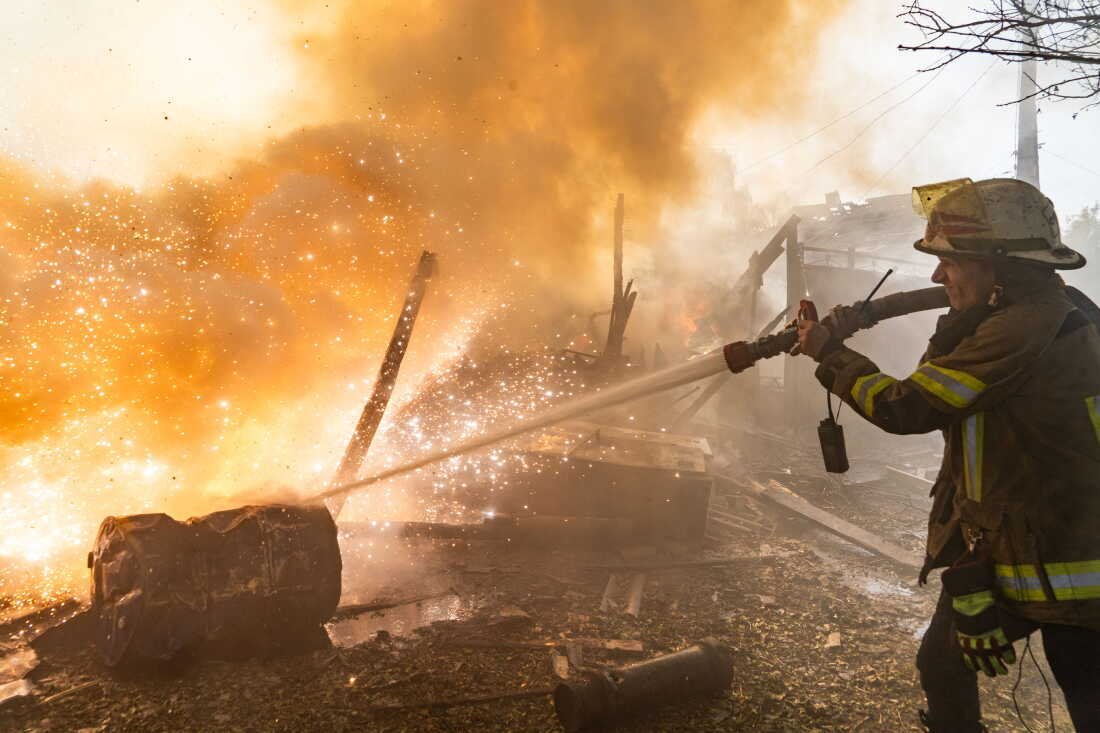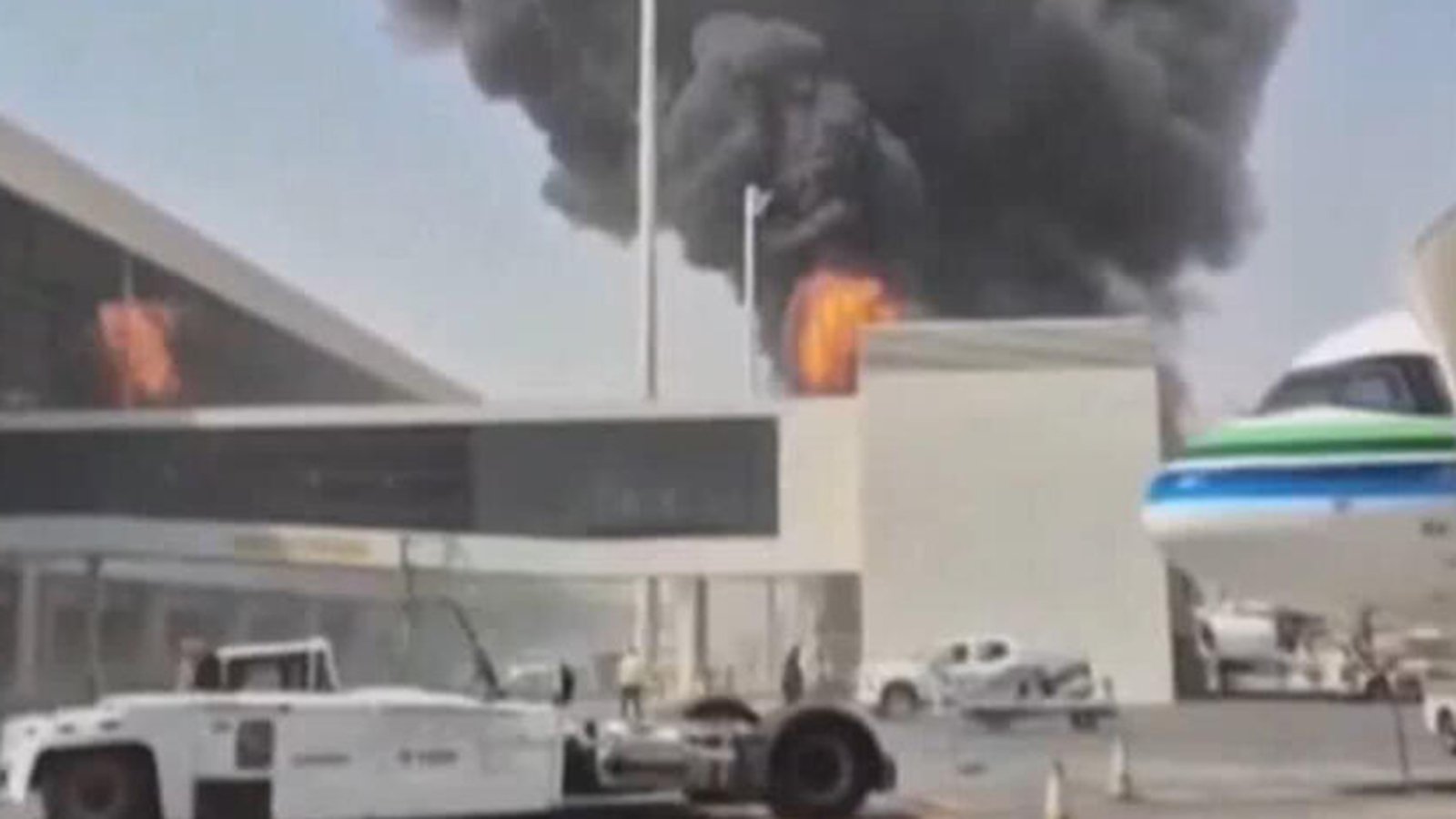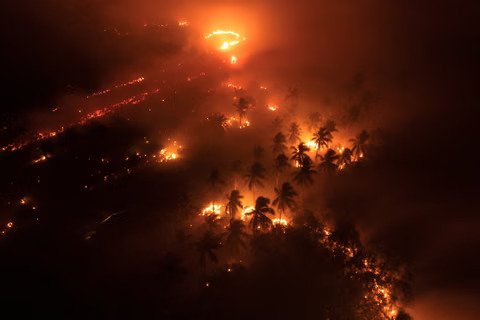
Forest and land fires in Indonesia are sending thick smoke across Southeast Asia, affecting air quality in Singapore and Malaysia and spreading haze as far as the Philippines. The worsening conditions have turned Indonesia’s annual fire season into a regional public-health problem, disrupting daily life and renewing concerns about how the fires are prevented.
On Friday, October 9, 2026, Malaysia announced school closures in several states and federal territories after air pollution reached unhealthy levels. Singapore is also facing serious concerns as it prepares to host its Formula One Grand Prix, an event expected to attract hundreds of thousands of spectators.
Indonesia Wildfire Haze 2026: Why The Smoke Is Spreading
The Indonesia wildfire haze in 2026 has been intensified by unusually dry weather and strong El Niño conditions. Fires in parts of Sumatra and Kalimantan have produced smoke that winds carry across national borders.
The ASEAN Specialised Meteorological Centre has warned that below-normal rainfall and above-normal temperatures could keep the regional haze situation severe through October and beyond. Rainfall later in the month may help reduce the fires, but the timing and extent of any improvement remain uncertain.
Land-clearing practices are also part of the problem. Fires have repeatedly been associated with the clearing of land for agriculture, including oil palm cultivation. Peatland fires are particularly difficult to manage because they can continue smouldering underground and flare up again even when the number of visible hotspots falls.
Malaysia Closes Schools As Singapore Faces A Major Event
The Malaysia school closures due to haze in October 2026 show how quickly the environmental crisis can disrupt everyday life. Authorities ordered schools in several areas to close as smoke worsened air quality, with children among those at risk from prolonged exposure.
Singapore faces a different challenge. The haze has arrived as the city prepares for its Formula One weekend, with large crowds expected at outdoor events. Officials have prepared additional medical support and face masks, while warning residents and visitors to limit prolonged outdoor activity when pollution levels are unhealthy.
Children, older people and those with respiratory conditions are particularly vulnerable. The consequences extend beyond discomfort, potentially affecting health services, outdoor work, tourism and school attendance.
Indonesia Faces Growing Pressure To Prevent Future Fires
The Southeast Asia air pollution crisis has also raised questions about government accountability. Indigenous and civil society groups in Indonesia have filed a lawsuit accusing authorities of negligence in their handling of recurring wildfires. The case seeks measures including environmental rehabilitation and healthcare support for affected residents. The allegations have not yet been decided by the court.
The lawsuit highlights a wider regional problem: smoke generated in one country can impose health and economic costs on neighbouring countries. Emergency firefighting can reduce immediate harm, but lasting progress will require better prevention, enforcement against illegal burning and protection of vulnerable forests and peatlands.
What Happens Next?
The immediate priority is to contain the fires and protect people from hazardous air. Authorities will be watching rainfall, wind direction and air-quality readings to determine whether conditions improve or worsen over the coming days.
However, the Indonesia wildfire haze crisis is unlikely to be solved by emergency responses alone. Without consistent action to prevent land-clearing fires and manage peatlands, neighbouring countries may continue facing dangerous smoke during future dry seasons.
For the region, the challenge is not only clearing the haze from the skies. It is preventing the same crisis from returning next year.