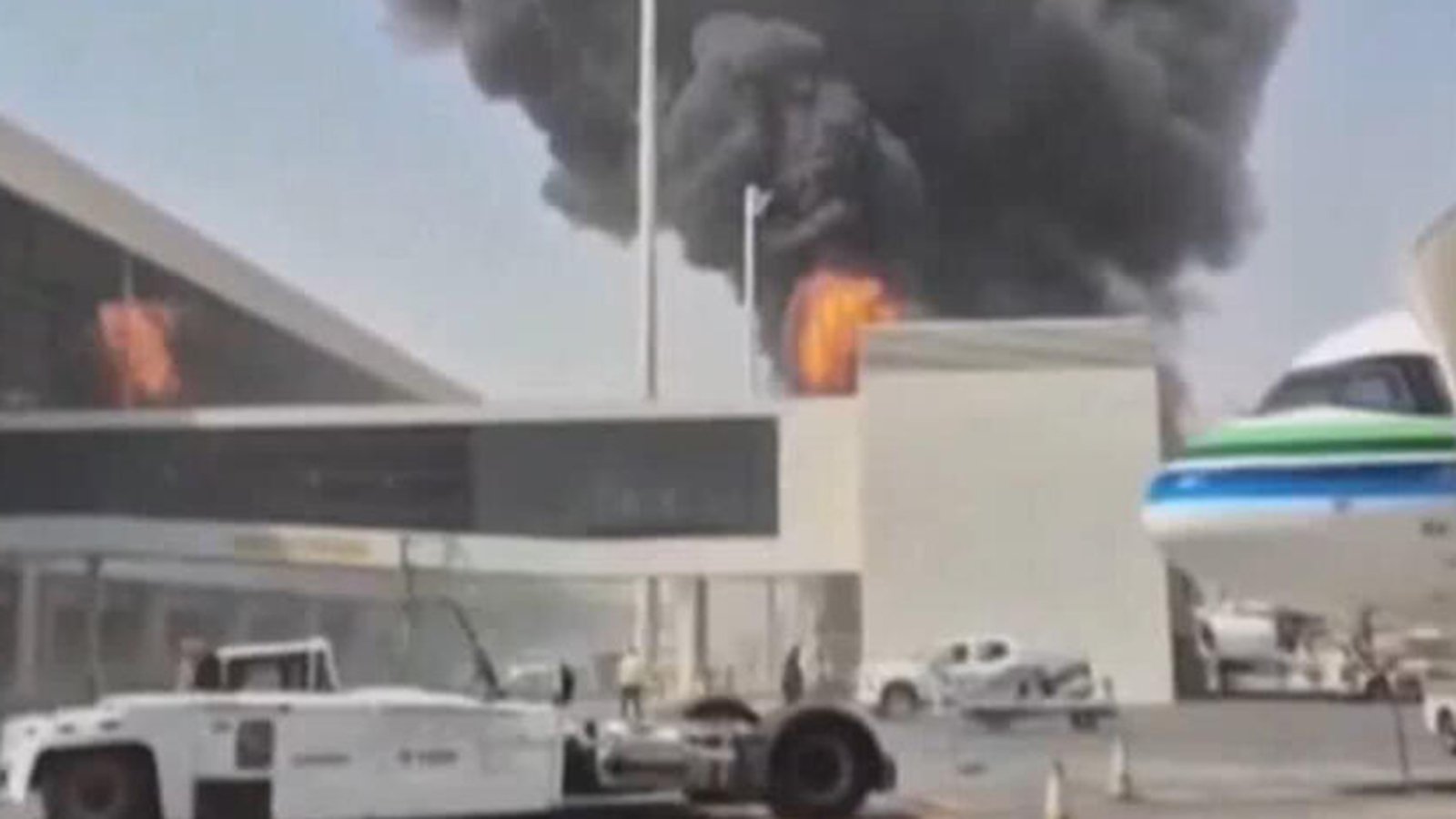
Attacks on King Khalid International Airport in Riyadh have killed at least 13 people and injured more than 300, triggering a major security crisis in Saudi Arabia. The Saudi-led coalition fighting Yemen’s Houthi rebels has vowed a response as the repeated strikes raise fears of a wider regional conflict.
The deadliest attack occurred on Saturday, October 10, 2026, when a missile struck the airport, killing at least 12 people and injuring 309. A further strike on Sunday killed one person and injured 11 others, according to Saudi authorities.
Riyadh Airport Attack Disrupts Flights
The Riyadh airport attack in October 2026 has caused serious disruption to air travel. Saudi authorities suspended operations at King Khalid International Airport to assess damage and ensure the safety of its facilities.
The impact has spread beyond Saudi Arabia. Airlines have cancelled or suspended flights to Riyadh, while aviation authorities in the United States and Europe have issued warnings about flying to or over Saudi airspace because of missile and drone threats. Reuters reported that almost all scheduled flights at the airport were cancelled on Sunday.
The disruption is particularly significant because Riyadh is a major destination for business travellers, international visitors and religious travellers connecting through the kingdom. The airport’s continued closure could affect travel plans, trade and major events scheduled in the Saudi capital.
Houthis And Saudi Arabia Exchange Threats
The Houthi attack on Saudi Arabia comes amid a renewed escalation in the long-running Yemen conflict. The Houthis have claimed responsibility for attacks on Riyadh and other Saudi targets, while Saudi Arabia and its allies have accused the group of endangering civilian lives.
The Saudi-led coalition described the airport strike as a serious attack on civilians and vowed a decisive response. US President Donald Trump has also said Washington is considering whether to join Saudi military action against the Houthis.
Any military response could deepen the conflict and increase the risk of further attacks on airports and other infrastructure. The situation also raises concerns about the safety of civilians who have little control over the decisions driving the fighting.
Why The Attacks Matter Beyond Saudi Arabia
The Saudi Arabia and Yemen conflict in October 2026 has implications beyond the immediate casualties. Repeated attacks on civilian aviation can disrupt regional transport, discourage business travel and increase costs for airlines operating in an already unstable environment.
The wider conflict also threatens strategic shipping routes around the Red Sea, including the Bab el-Mandeb Strait, which is important for international trade and energy shipments. Further escalation could place additional pressure on shipping and fuel costs.
What Happens Next?
Saudi authorities have extended the airport shutdown while safety checks continue. Airlines and passengers are waiting for clearer guidance on when flights can resume, while international governments are monitoring the security situation.
The immediate challenge is to protect civilians and restore safe air travel. The longer-term concern is whether retaliation will trigger more attacks, turning an already serious conflict into a broader regional crisis.
For now, the repeated strikes show how quickly a conflict can move beyond the battlefield and threaten the civilian infrastructure that millions of people depend on.