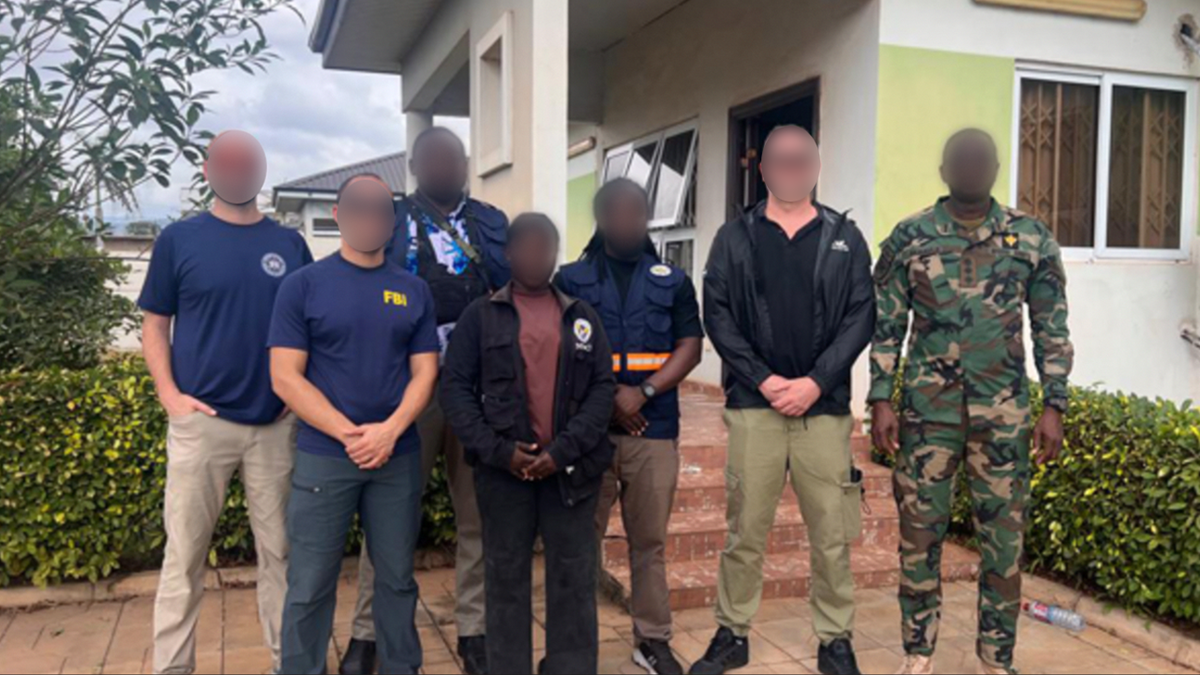
A major FBI Ghana scam crackdown has resulted in more than 130 people being arrested or detained, with investigators identifying nearly $10 million in financial losses linked to an alleged operation targeting Americans.
Announced on October 8, 2026, the operation also led to the seizure of more than 300 electronic devices and the identification of 89 victims, according to FBI Director Kash Patel. The crackdown forms part of Operation Blackout, the FBI’s wider campaign against international scam centres. However, the operation has also sparked a dispute over the role played by Ghanaian authorities.
Why The 130 Detentions Need Closer Examination
The headline figure from the Ghana scam centre arrests in October 2026 does not mean that all 130 people are suspected criminals.
Patel said the number includes people considered victims who are expected to be repatriated to their home countries. This distinction matters because scam compounds can involve human trafficking, with people recruited through false job offers and then forced to participate in online fraud.
The authorities have not yet released a full breakdown of those detained, their nationalities or the specific roles they allegedly played. It is therefore too early to describe everyone involved as a scammer or assume that all will face prosecution.
Investigators have identified nearly $10 million in losses and 89 victims so far. The seizure of more than 300 devices could provide evidence about how the operation worked and whether it was connected to wider international fraud networks.
Ghana Pushes Back Over Who Led The Operation
The FBI Ghana cybercrime operation has also triggered a disagreement over how the raid was presented publicly.
Ghana’s Minister for Communication, Digital Technology and Innovations, Samuel Nartey George, challenged the impression that the FBI acted alone. He said Ghanaian law-enforcement and intelligence agencies led the operation, with support from the United Kingdom’s National Crime Agency and the FBI.
The minister argued that presenting the operation as solely an FBI achievement could undermine cooperation between the countries. His comments highlight an important issue in international crime investigations: cross-border operations depend on cooperation, but governments also want their agencies’ contributions properly recognised.
Ghanaian authorities had not publicly provided a complete account of the operation when the initial FBI announcement was reported. Questions also remain about possible prosecutions in Ghana and whether any suspects will face extradition proceedings in the United States.
Why International Scam Centres Are Difficult To Stop
The crackdown reflects a wider challenge for authorities fighting online scams targeting Americans and victims in other countries.
Fraud networks can recruit workers in one country, communicate with victims in another and move stolen money through accounts or cryptocurrency platforms across several jurisdictions. This makes it difficult for any single country’s police force to investigate the entire network.
Some scam compounds also rely on trafficking and forced labour, meaning an effective operation must identify not only alleged organisers but also people who may have been coerced into participating.
The FBI’s Operation Blackout is intended to disrupt these networks, identify victims and pursue those responsible. However, the figures announced by the bureau are its own reported totals and should not automatically be treated as independently verified recoveries.
What Happens Next?
The FBI Ghana scam crackdown is still under investigation. Further details about the suspects, the people identified as trafficking victims and the agencies involved will help establish the operation’s full scope.
The next important step is accountability: identifying the alleged organisers, tracing the financial losses and ensuring that people who were trafficked are treated as victims rather than automatically classified as offenders.
The operation also demonstrates why international cooperation matters. Online fraud crosses borders easily, and stopping it requires law-enforcement agencies to share evidence, coordinate investigations and distinguish between those who organise scams and those who may have been forced to carry them out.