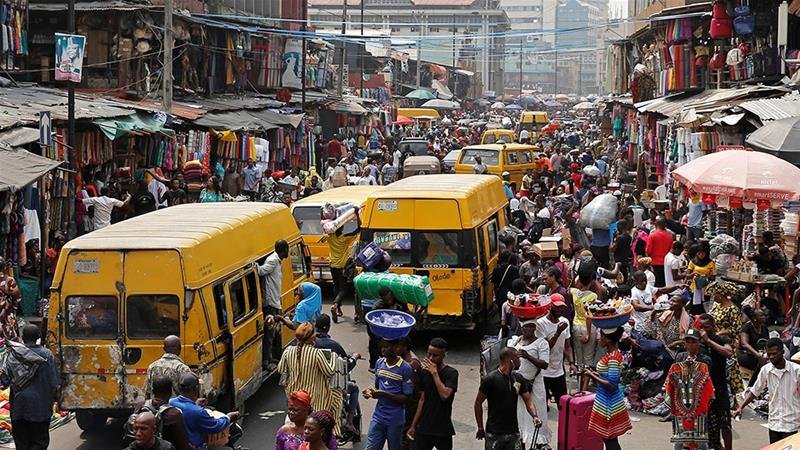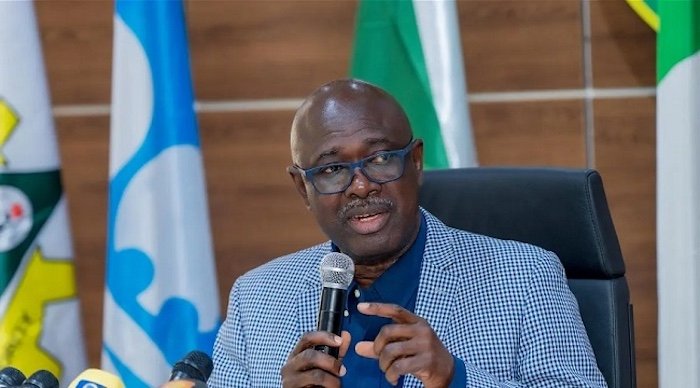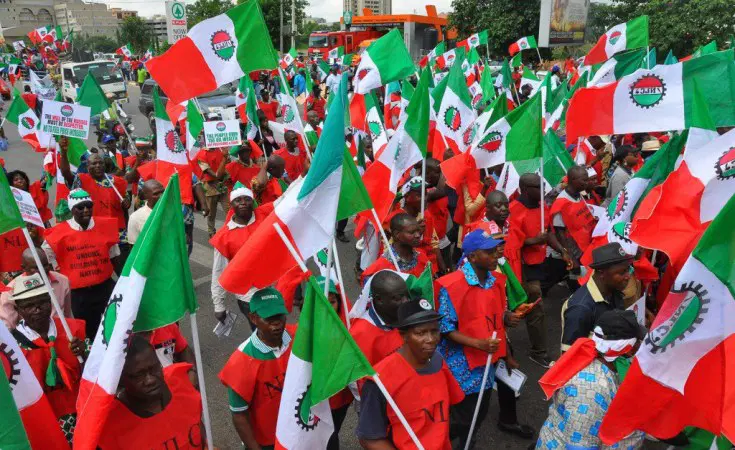










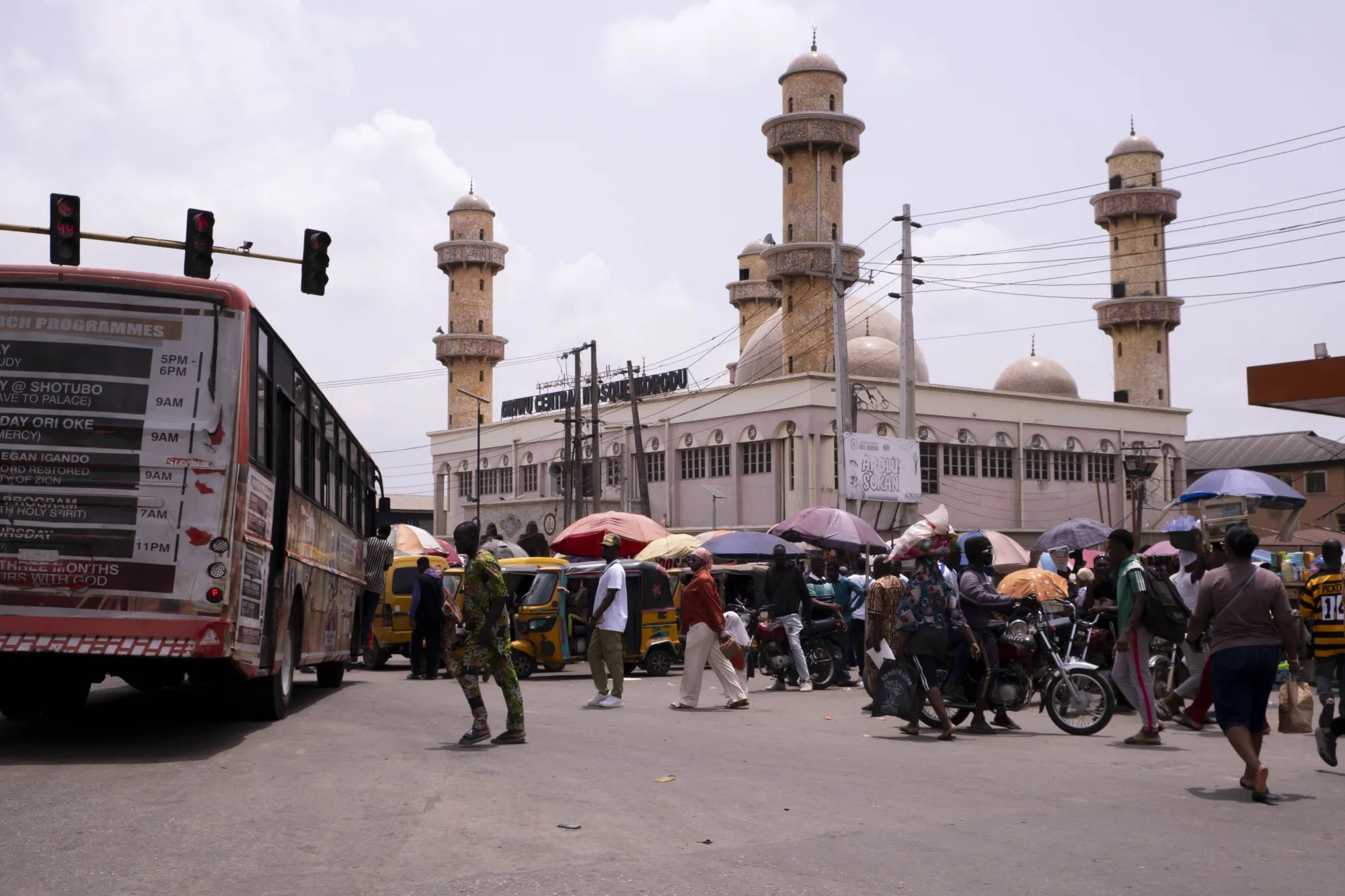
Nigeria has climbed four places to 8th overall on the Bloomberg Economics Investment Risk-O-Meter, giving the country another sign that international investors are becoming more positive about the direction of its economy.
The improvement comes as the Federal Government continues to defend its structural reforms, including changes to the foreign exchange market, fiscal policy and the financial sector. But the ranking also creates a bigger question: can Nigeria turn improving investor confidence into more investment, jobs and growth for ordinary Nigerians?
Why Nigeria’s Investment Risk Ranking Improved
The Nigeria investment risk ranking 2026 reflects improvements across several areas that matter to investors.
Bloomberg Economics’ African risk assessment considers economic strength, fiscal strength, institutions and governance, infrastructure and external vulnerability. The framework uses data from sources including the World Bank and IMF to compare 19 African economies.
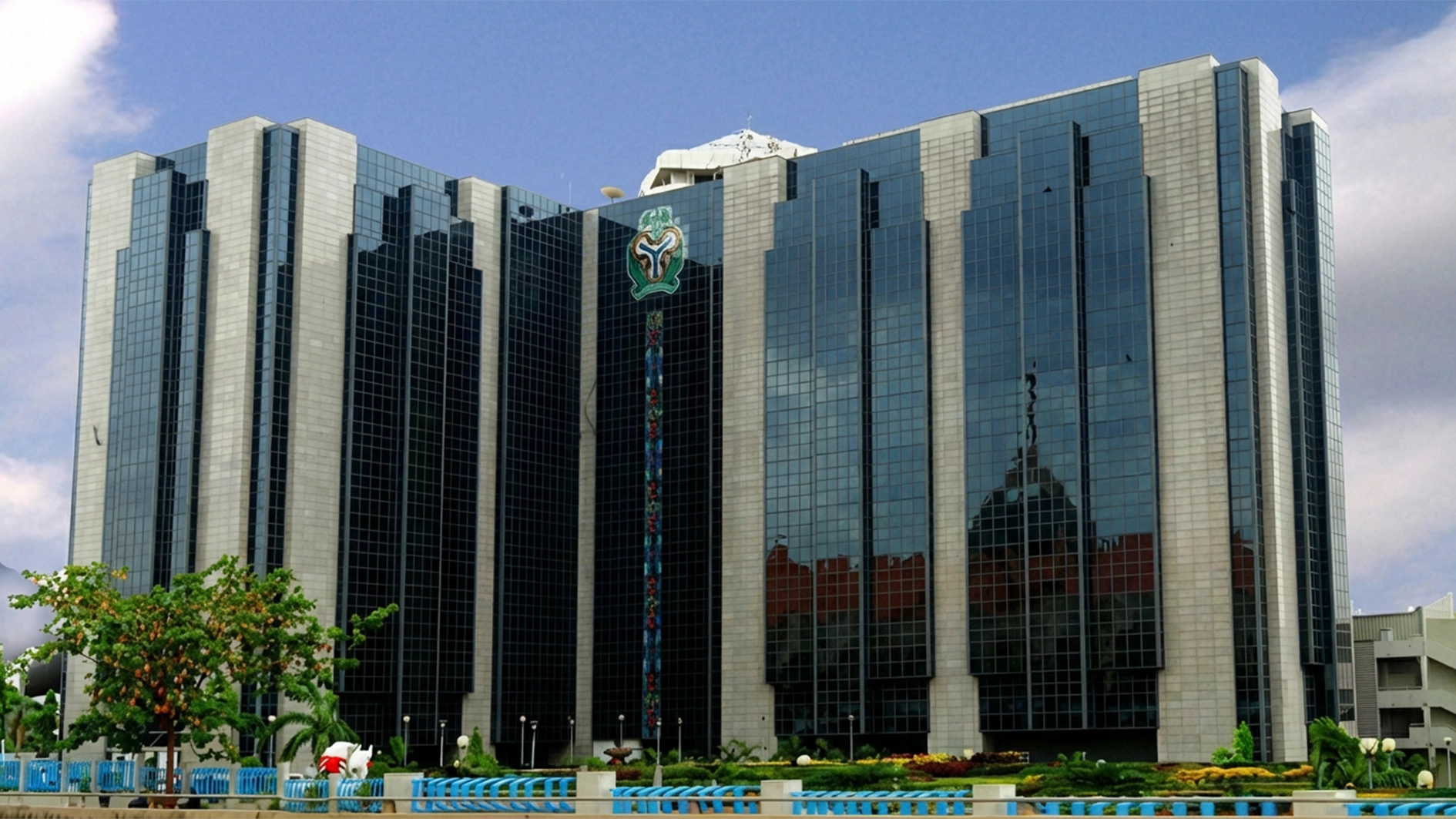
Nigeria’s recent reforms have targeted several of those areas. The Central Bank of Nigeria has continued to push foreign exchange reforms aimed at creating a more transparent and market-driven system. The CBN says its latest foreign exchange manual is designed to improve transparency, efficiency and investor confidence.
Nigeria has also received positive signals from international credit assessors. S&P raised Nigeria’s credit rating in May 2026, its first upgrade since 2012, citing factors including exchange-rate liberalisation and stronger oil-related capacity.
Investors Are Seeing a Different Nigeria
The latest Bloomberg Nigeria investment ranking adds to a series of signals suggesting that Nigeria’s financial markets are becoming more attractive.
Nigeria’s stock market has delivered exceptionally strong returns in 2026, while the naira has also performed better than in previous years. Nigeria was recently reclassified to frontier-market status by FTSE Russell, a move that can increase the country’s visibility among international investors.
The government has also continued reforms aimed at attracting investment into areas outside oil. Recent changes to the Special Economic Zones framework, for example, are intended to support manufacturing, digital businesses and non-oil exports.
Together, these developments suggest that investors are paying more attention to Nigeria’s longer-term economic direction rather than only its immediate challenges.
But the Ranking Does Not Mean the Problems Are Gone
The biggest test is whether the improved Nigeria investment outlook 2026 becomes visible in the real economy.
Businesses still face expensive credit, infrastructure problems, inflationary pressure and other operating challenges. A recent assessment of the CBN’s reforms noted that improvements in reserves, currency-market transparency and financial stability have not yet fully translated into cheaper credit or easier conditions for households and businesses.
The IMF has also stressed that Nigeria needs sustained reforms to achieve stronger and more inclusive growth, particularly in infrastructure, electricity, security, agriculture and support for small businesses. That means the new ranking should be seen as an opportunity rather than a final victory.
What It Could Mean for Nigeria
Moving four places to eighth gives Nigeria a stronger story to tell international investors. It could help the country attract more capital if the government can maintain policy consistency and continue improving the areas that investors consider risky.
For Nigerians, however, the real measure will be whether that confidence eventually produces more businesses, jobs, cheaper financing and stronger economic opportunities.
The Nigeria Bloomberg Investment Risk-O-Meter result is therefore encouraging, but the harder part starts now. Nigeria has to convince investors that the improvement is not temporary and convince its citizens that economic reform can produce benefits beyond better rankings.