









Nigeria’s economy is showing stronger signs of recovery, but the improvement is yet to translate into a better financial experience for many households.
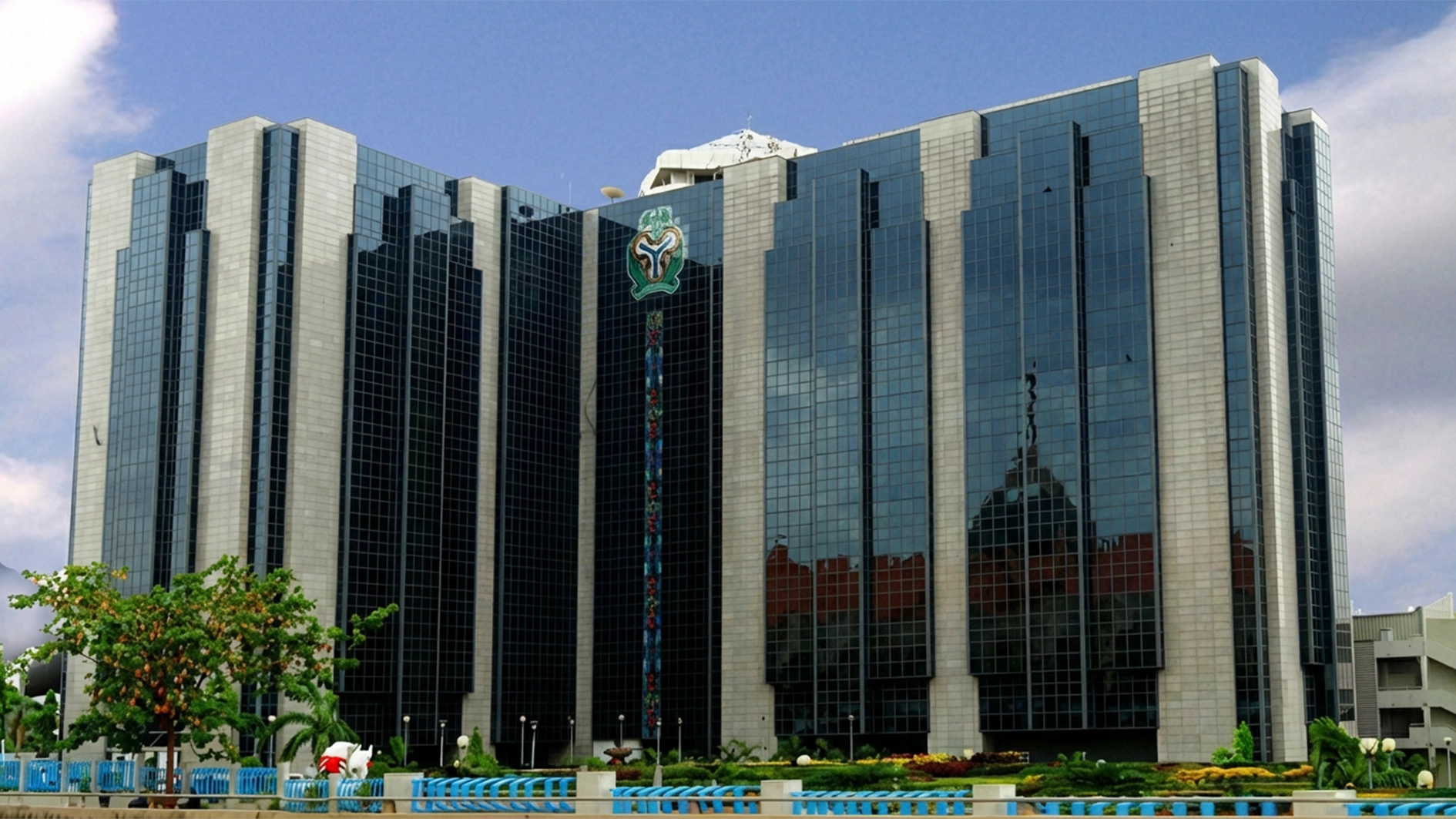
The latest CBN household expectations survey found that 77.2% of Nigerian households perceived inflation as high in September 2026, up sharply from 67.2% in August. At the same time, the country’s composite Purchasing Managers’ Index rose to 53 points in September, marking a fourth consecutive month of economic expansion.
The contrast points to a growing gap between Nigeria’s economic recovery and living conditions.
Businesses See Recovery, Households Remain Cautious
The September figures show an economy moving in two different directions. Output, new orders, employment and raw material inventories all expanded, while 23 subsectors recorded growth. Business confidence also remained positive at 13.4 points, with firms pointing to stronger demand, economic diversification and improved access to finance.
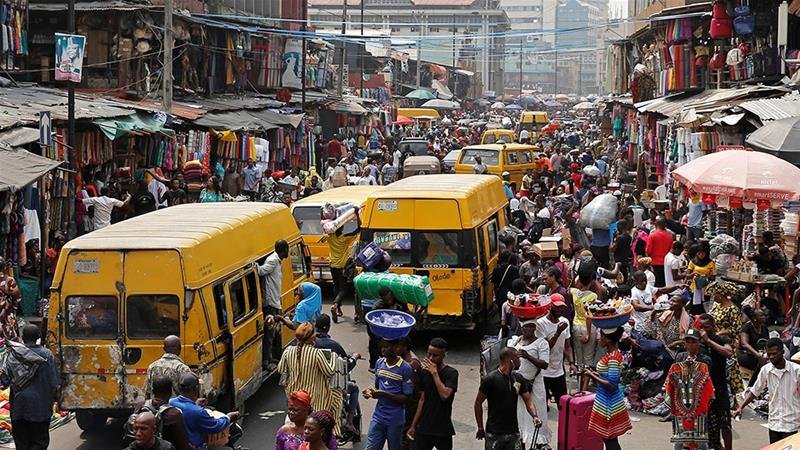
Households, however, are behaving as though the recovery has not reached them yet. Overall consumer sentiment fell to -18.7 points in September from -9.9 points in August. Families are concentrating spending on food, transport, education, electricity and water, while showing little appetite for large financial commitments.
That means economic growth is happening, but many Nigerians are still operating defensively.
Food Comes Before Investments and Houses
The clearest sign of the pressure is what households are choosing not to buy. The CBN found negative purchase intentions for houses, vehicles and investments. Sentiment towards house purchases stood at -68.2 points, while motor vehicle purchases were at -67.3 points and investments at -50.7 points.
Food, meanwhile, remained the dominant household expenditure priority. The pattern suggests that many families are delaying long-term financial decisions until they feel more confident about their income and future prices. A recovery that encourages businesses to expand but leaves households focused mainly on basic needs remains incomplete.
Businesses Have Their Own Cost Problem
Companies are also facing pressure, although their outlook is more positive. The CBN’s Business Expectations Survey ranked multiple taxation as the biggest business constraint at 67.1 index points. Insecurity followed at 66.2 points, while high interest rates scored 64.3 points.
This creates another challenge for the recovery. Businesses may be more confident about future demand, but high taxes, security costs and expensive borrowing can make it harder to turn that confidence into new investment and hiring.
The Recovery Still Has to Reach the Household
The latest Nigeria economic recovery 2026 data therefore tell a more complicated story than a simple return to growth.
Economic activity is expanding and businesses expect conditions to improve further. The CBN said business confidence could rise to 23.6 points by December 2026 and 36.1 points by March 2027.
But the immediate challenge is turning that optimism into purchasing power. Until households can move beyond food and other essentials and begin feeling comfortable about saving, investing and making major purchases again, Nigeria’s recovery will continue to look stronger on economic charts than it feels inside many homes.