









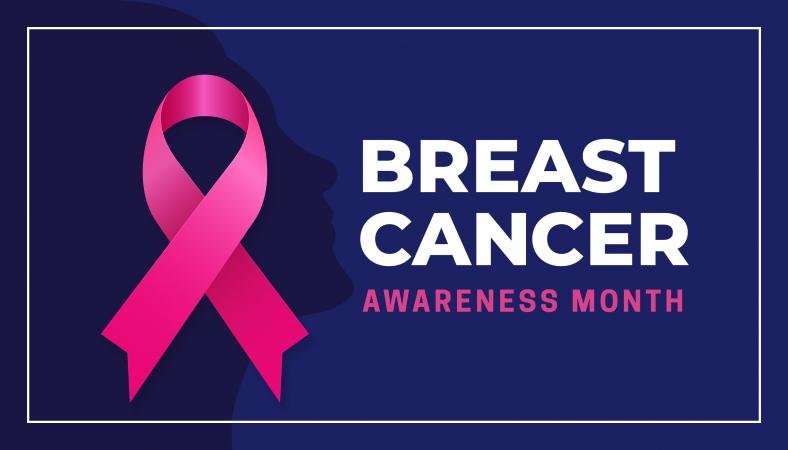
As Breast Cancer Awareness Month begins, new figures from the World Health Organization show the scale of the disease worldwide, with an estimated 694,000 women dying from breast cancer in 2024.
WHO said about 2.4 million women were diagnosed with breast cancer during the same year, making it the most common cancer among women in 164 of 186 countries.
The figures are putting renewed attention on a problem that goes beyond awareness. For many women, the difference between surviving breast cancer and dying from it can depend heavily on how quickly the disease is detected and whether appropriate treatment is available.
The Bigger Problem Is Not Just the Number of Deaths
The 694,000 breast cancer deaths worldwide in 2024 hide a major difference between countries.
WHO estimates that women in countries with very high levels of human development have a lifetime breast cancer diagnosis risk of about one in 12, with one in 71 eventually dying from the disease.
In countries with low human development, the picture is much worse. About one in 27 women are expected to be diagnosed during their lifetime, but one in 48 are expected to die from breast cancer. That gap points to a major issue: access to effective diagnosis and treatment.
Why Early Diagnosis Matters
Breast cancer can often be treated more successfully when it is detected before it has spread to other parts of the body.
WHO says symptoms can include a breast lump or thickening, changes in breast size or shape, skin dimpling or redness, changes around the nipple and abnormal or bloody nipple discharge. It also stresses that most breast lumps are not cancerous, but unusual changes should still be assessed by a healthcare professional.
This makes breast cancer early diagnosis one of the most important messages during the awareness campaign.
Awareness can encourage women to pay attention to changes in their bodies, but awareness alone cannot solve the problem if screening, diagnosis, medicines, surgery and other treatments remain difficult to access.
Breast Cancer Can Affect Men Too
Although breast cancer is overwhelmingly a disease affecting women, it is not exclusive to them.
WHO estimates that about 0.5% to 1% of breast cancers occur in men. Age is one of the major risk factors, while other factors include family history, obesity, alcohol use, tobacco use and certain inherited gene mutations.
The message for Breast Cancer Awareness Month 2026 is therefore broader than wearing pink or sharing statistics online.
The global figures show why countries need to improve access to early diagnosis and comprehensive treatment, particularly in places where women face greater barriers to receiving care.
With 694,000 lives lost in a single year, the challenge is no longer simply getting people to talk about breast cancer. It is making sure that more people who are diagnosed have a realistic chance of surviving it.