






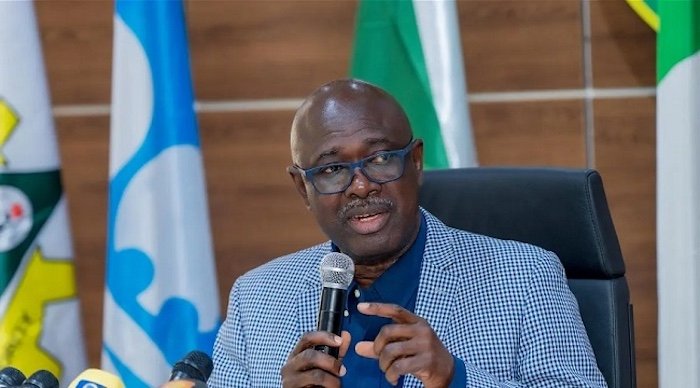
Nigeria’s debate over the petrol subsidy reinstatement is becoming a major economic and political issue ahead of the 2027 elections, with Minister of State for Petroleum Resources Heineken Lokpobiri warning that the country cannot afford to return to the old system.
Lokpobiri said Nigeria could face an annual petrol subsidy bill of about N21 trillion if the subsidy regime had remained in place at current exchange rates. He argued that bringing it back would put additional pressure on public finances at a time when the government is trying to increase investment and production.
Why Is Nigeria Fighting Over Fuel Subsidy Again?
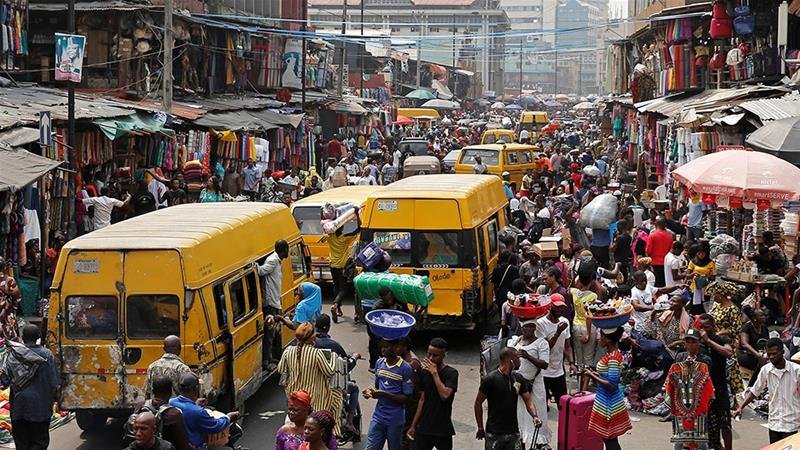
The renewed Nigeria fuel subsidy debate is happening because Nigerians are still dealing with the higher cost of petrol, transportation and other goods following the removal of the subsidy in May 2023.
At the same time, opposition politicians have increasingly made cheaper fuel part of their economic message ahead of 2027. Former Vice-President Atiku Abubakar has said he would restore the subsidy if elected, while Peter Obi has also said he would consider restoring it after tackling corruption.
President Bola Tinubu rejected the idea again during his October 1 Independence Day address, saying Nigeria should not abandon the reforms because their effects have been painful.
The N21 Trillion Question
Lokpobiri’s warning gives the political argument a much bigger number. He based the estimate on figures presented in 2023 showing that Nigeria was spending about N18.4 billion every day on petrol subsidy. At an exchange rate of N1,400 to the dollar, the minister said the equivalent annual cost would now be around N21 trillion.
Another recent estimate from the Centre for the Promotion of Private Enterprise put the potential annual cost of restoring universal petrol subsidy at about N19.16 trillion, showing that the financial exposure could be close to N20 trillion even under different assumptions.
What Would Nigeria Give Up?
This is where the subsidy debate becomes bigger than the price Nigerians see at the filling station.
Government officials argue that returning to subsidy would mean using scarce public resources to keep petrol prices artificially low instead of funding infrastructure, healthcare, education, security and social programmes.
The Federal Government has also said subsidy removal created additional fiscal resources for the three tiers of government. Between June 2023 and December 2025, the Finance Ministry said the reform mobilised N15.8 trillion in resources across the federation.
The problem is that Nigerians still want to see more of those gains reflected in their daily lives.
The Real Test Is What Happens Next
The government may have won the argument that the old subsidy system was expensive, but that does not automatically settle the public’s concerns.
If petrol prices remain high while food, transport and production costs continue to rise, calls for relief are unlikely to disappear.
That leaves Nigeria facing a difficult choice ahead of 2027: maintain the fuel subsidy removal and make the benefits more visible, or risk reversing the policy and taking on a subsidy bill that officials say could approach N20 trillion a year.
For now, Lokpobiri’s message is clear: the government believes Nigeria cannot afford to go back. The bigger question is whether Nigerians will continue to believe they can afford to stay where they are.