








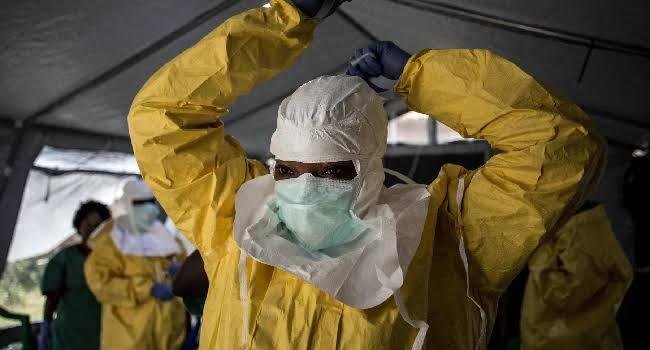
Nigeria has placed its public health system on high alert for Ebola as a major outbreak of Bundibugyo Ebola virus disease continues to spread in the Democratic Republic of Congo.
The Nigeria Centre for Disease Control and Prevention (NCDC) issued an interim advisory on September 23, 2026, following the worsening situation in the DRC. As of September 20, the DRC had reported 7,672 confirmed cases and 3,699 related deaths.
The alert does not mean Nigeria has recorded an Ebola case from the current outbreak. Instead, authorities are increasing surveillance because international travel and population movement could create a risk of an imported case.
Why Nigeria Is Increasing Surveillance
The NCDC’s immediate concern is detection. Travellers arriving from countries with active or relevant Ebola transmission may now be required to complete health declaration forms. Passengers arriving from other countries are currently exempt from the form, meaning the measure is targeted rather than a blanket requirement for all international travellers.
The agency has also urged Nigerians to remain alert to symptoms and to report relevant travel or exposure histories when seeking medical care.
This approach is particularly important because Nigeria has extensive air travel, trade routes and population movement across Africa. The country also has previous experience containing imported Ebola cases, making early identification a major part of its preparedness strategy.
The Outbreak Is Different From the Ebola Nigeria Faced Before
One of the biggest challenges this time is the strain involved. The current outbreak is caused by the Bundibugyo virus, rather than the Zaire ebolavirus associated with the 2014 West African Ebola epidemic. WHO says there is currently no licensed vaccine or specific treatment for Bundibugyo Ebola, although research and vaccine studies are underway.
WHO has classified the risk in the DRC as very high, while the wider risk for the rest of Africa and globally remains lower. The agency has also advised against general travel or trade restrictions against affected countries.
What Nigerians Should Expect
For now, the response is centred on surveillance rather than restrictions on everyday life.
The NCDC says the measures will be reviewed as the epidemiological situation changes. Health authorities are also expected to maintain preparedness at points of entry and across the health system.
The message is therefore less about panic and more about readiness. Nigeria’s experience with previous Ebola importations showed that rapid detection, contact tracing, infection control and public cooperation can make a major difference.
With the DRC outbreak still expanding, the next challenge will be keeping Nigeria prepared without creating unnecessary fear or disruption.