









A fresh security incident in southern Lebanon has put the Lebanese army and Israeli forces on alert, adding another layer of tension to an already unstable Middle East. The development comes as the UN Security Council separately condemned recent Houthi attacks on Saudi Arabia and warned about threats to regional and international security.
The developments are significant because they show how several separate flashpoints across the region are becoming connected through security, energy and shipping concerns.
Lebanese Army and Israeli Forces Face Off
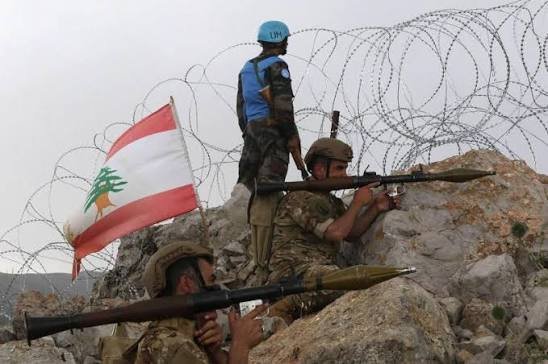
The latest incident happened after Israeli forces approached a Lebanese army position in southern Lebanon that had been established with the international Military Coordination Group.
According to the Lebanese army, Israeli forces entered the area near the position on Friday and threw stun grenades before leaving. The army said it reinforced its position afterward, resulting in a heightened state of alert between the two sides.
The incident did not immediately develop into a larger confrontation, but it highlights the fragile security situation along the Lebanon-Israel border.
The United Nations has already expressed concern about escalating Israeli military operations in southern Lebanon and called on all parties to respect Lebanon’s sovereignty and international humanitarian law.
Why Southern Lebanon Matters Now
The timing is particularly important because the future of the UN peacekeeping mission in Lebanon is already being debated.
UNIFIL is scheduled to end normal operations by the end of 2026, with an orderly withdrawal planned afterward. Lebanon has argued that ending the mission could create a security vacuum at a time when tensions remain high.
That means incidents involving the Lebanese army and Israeli forces could attract greater attention as discussions continue over what security arrangements will replace the international presence.
Houthi Attacks Add Pressure Elsewhere
At the same time, the UN Security Council has condemned Houthi attacks on Saudi Arabia, including strikes affecting civilian and energy infrastructure. The council also called for an end to attacks threatening commercial shipping around the Red Sea and Bab el-Mandeb.
The UN has warned that the wider escalation could have consequences beyond the region because the Red Sea remains an important international shipping route.
For now, the key issue is whether these separate security crises remain contained or create additional pressure across the region. Any further escalation around southern Lebanon or the Red Sea could affect civilians, regional diplomacy, energy markets and international trade.