









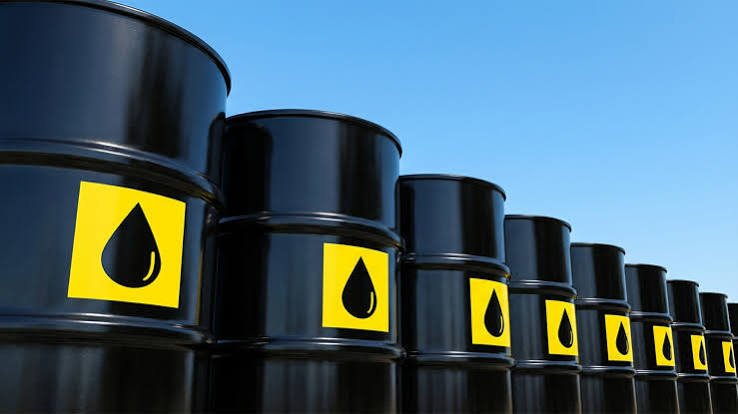
The Middle East oil crisis is beginning to affect the global energy market in a way that goes beyond crude oil prices. A new Wood Mackenzie analysis estimates that the prolonged conflict could reduce global crude processing by 1.4 million barrels per day in the fourth quarter of 2026, as refinery disruptions and problems around major shipping routes squeeze the fuel market.
At the same time, Israel and Morocco are moving to deepen diplomatic and economic cooperation, while protests in Israel are focusing on whether the country’s regional conflicts could affect its upcoming election.
Oil Disruption Could Hit Fuel Supply
The global crude processing cuts of 1.4 million barrels per day are significant because crude oil must be refined before it becomes petrol, diesel and aviation fuel.
Wood Mackenzie said the Middle East conflict has disrupted crude supply routes and refinery operations, while attacks on Russian refineries have added further pressure. About 3.5 million barrels per day of Russian refining capacity was affected by outages in August, according to the consultancy.
This creates a different problem from simply having expensive crude. Even if crude remains available, fewer refineries processing it can mean tighter supplies of finished fuels.
That could be especially important for countries that rely heavily on imported petrol and diesel. Nigeria, despite being a major crude producer, has historically depended on imported refined products and remains exposed to international refining costs.
Israel and Morocco Take Their Relationship Further
While the regional security situation remains tense, Israel and Morocco diplomatic relations are moving in the opposite direction.
The two countries have agreed to upgrade their diplomatic missions into full embassies and appoint ambassadors. They also plan to expand direct flights and complete agreements covering investment protection and double taxation.
The agreement builds on the relationship established under the US-backed Abraham Accords in 2020.
The timing is notable because the Gaza war and wider regional conflict have tested Israel’s relationships with Arab and Muslim-majority countries. Morocco’s decision to deepen practical ties shows that diplomatic and economic cooperation can continue even while wider tensions remain unresolved.
Protests Put Israel’s Election Under Pressure
Inside Israel, however, regional tensions are feeding into a separate political debate. Protesters gathered outside the Knesset on September 17 ahead of the October 2026 Israel election, accusing political leaders of using regional tensions to interfere with the scheduled October 27 vote. Some demonstrators carried signs suggesting that war could be used to disrupt the election.
There is currently no confirmed evidence that the government plans to postpone the election. The claims about deliberately disrupting the vote came from protesters and remain unproven.
The protests nevertheless show how closely foreign policy, security and domestic politics are now connected in Israel.
Why This Matters Beyond the Middle East
The Middle East conflict’s impact on oil prices and fuel supply could become the most immediate global consequence.
Wood Mackenzie expects refining margins to remain elevated while shipping through the Strait of Hormuz remains disrupted. However, it also expects the market to ease if normal shipping resumes and forecasts Brent could eventually fall to $50 to $60 per barrel as non-OPEC production grows faster than demand in 2027 and 2028.
For now, the combination of disrupted refining, uncertain shipping routes and geopolitical tensions means consumers and fuel-importing countries could remain exposed to higher costs even when crude prices themselves begin to cool.