










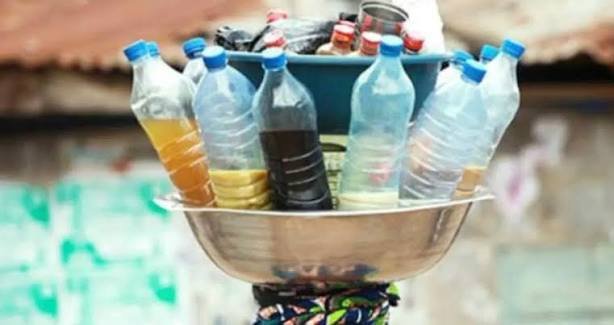
The Ondo herbal drink tragedy has raised fresh concerns about the safety of locally produced alcoholic beverages after 29 people died in communities across Odigbo Local Government Area.
The Ondo State Government said 60 suspected cases have been recorded, with three people still receiving hospital treatment and another 27 under medical observation. Most of those affected are males aged between 16 and 55.
Several suspects have been taken into custody as authorities investigate the source of the suspected toxic alcoholic drink. But one important question remains unanswered: exactly what caused the deaths?
Laboratory Tests Could Determine What Happened
While the incident has been widely described as Ondo alcohol poisoning, health officials have not yet confirmed the specific substance responsible.
The Health Commissioner, Banji Awolowo-Ajaka, said the pattern of illness and the reported exposure have created strong suspicion of a toxic alcoholic substance. However, he stressed that there is still no laboratory evidence confirming the cause.
Authorities have collected 36 blood and urine samples from affected people, while samples of the suspected drinks have also been submitted for toxicological testing.
That distinction matters because the investigation could determine whether the deaths resulted from contamination, an unsafe ingredient, poor production methods or another substance added to the drinks.
Arrests and Ban Put Informal Alcohol Trade Under Pressure
The Odigbo herbal drink poisoning has already triggered a major government response. Ondo State has temporarily banned the production and sale of locally brewed alcoholic and alcoholic herbal beverages in the affected local government area. The state has also ordered action against unverified alcoholic products and substances.
A suspected seller has reportedly been arrested and handed over to the police as investigators trace the source of the drink and determine who else may have been involved.
The wider concern is enforcement. Locally produced drinks sold without clear labelling or regulatory approval can be difficult to trace when something goes wrong.
What Happens Next?
The immediate priority is preventing more deaths while investigators establish the cause of the 29 deaths in Odigbo, Ondo State.
Residents have been warned against consuming unverified alcoholic or herbal products. Health authorities have also advised anyone experiencing blurred vision, breathing problems, sudden weakness, confusion or loss of consciousness after consuming alcohol to seek urgent medical attention.
The final toxicology results will be crucial. They could determine whether those arrested face further action and whether the temporary ban expands beyond Odigbo.
For now, the tragedy is a warning about the risks that can emerge when alcoholic products operate outside effective quality control and traceability systems.