








Nigeria’s latest security incidents show a worrying pattern: the country’s security challenge is becoming increasingly spread across different regions and taking different forms.
In Borno, suspected Boko Haram/ISWAP fighters attacked the convoy of APC governorship candidate Mustapha Gubio. In Sokoto, bandits killed five residents and injured three others, while residents also reported abductions and cattle rustling. In Nasarawa, the NSCDC rescued 15 minors allegedly trafficked and sold for ₦2 million each.
Borno Attack Shows Political Campaigns Remain Exposed
The Boko Haram attack in Borno is particularly significant because the target was a political convoy. Gubio was travelling along the Kareto-Damasak Road after an appreciation visit when suspected terrorists attacked with an improvised explosive device and rocket-propelled grenades. Security forces responded and forced the attackers to retreat. No member of the convoy was killed.
The incident raises concerns about political activity in areas where armed groups still have the ability to disrupt movement. With Nigeria’s political calendar becoming increasingly active, the ability of candidates to travel safely through vulnerable areas could become a bigger issue.
Sokoto Communities Face a Different Kind of Pressure
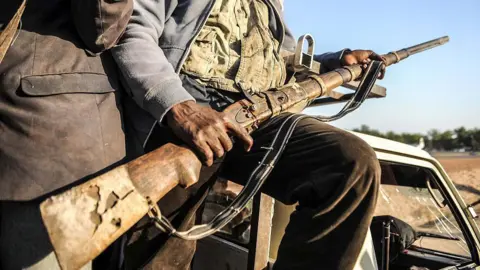
The Sokoto bandit attack highlights another side of Nigeria’s insecurity. Police confirmed that five people were killed and three injured in Girkau and surrounding communities in Kebbe Local Government Area. Residents also reported abductions and cattle rustling.
More worrying is the pressure that appears to be building around the area. The attack reportedly came days after an alleged ₦40 million levy was imposed on Kebbe town, although police have not confirmed the claim.
This suggests that for some communities, insecurity is not only about sudden attacks. It can also involve extortion, kidnapping and the loss of livestock, making ordinary economic activity increasingly difficult.
Trafficking Shows Why Intelligence Matters
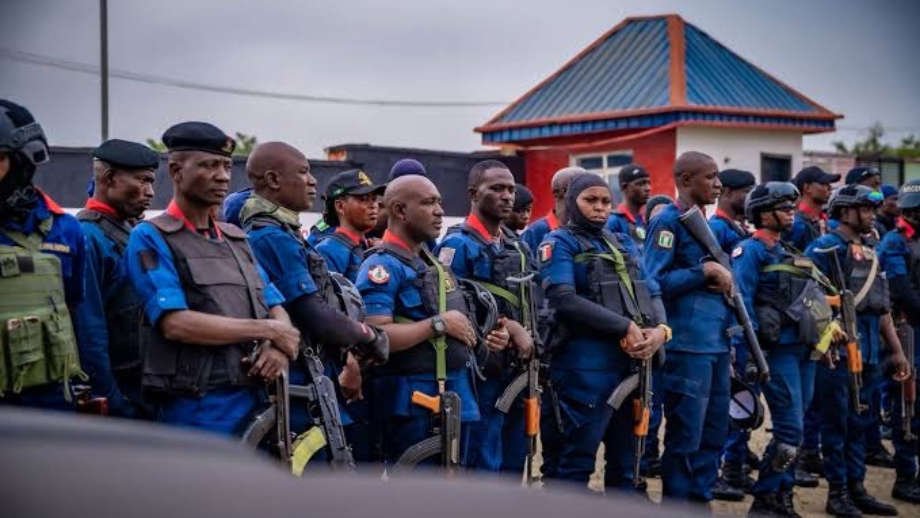
The Nasarawa human trafficking case presents a different security challenge altogether. The NSCDC said 15 of 16 trafficked children were rescued after an alleged trafficker posed as an official of a child-rights organisation and promised vulnerable parents free education. The children were reportedly sold for ₦2 million each to buyers in different states. Three suspected buyers have been arrested.
The rescue also shows why security agencies are increasingly relying on intelligence and operations that cross state boundaries. The children were recovered from locations including Anambra, Imo and Enugu after tracking the suspected buyers.
One Country, Several Security Battles
The three incidents point to a broader problem for security challenges in Nigeria. Terrorism, banditry, kidnapping, cattle rustling and human trafficking require different responses, but they are all competing for the attention and resources of the same security system.
The immediate expectation will be stronger security around vulnerable communities and political movements, while authorities will also face pressure to disrupt the networks that finance and organise these crimes.
For Nigerians, however, the bigger concern is whether security operations can move from reacting to attacks to preventing them before lives, livelihoods and communities are lost.


One thought on “Nigeria Faces Multiple Security Threats as Terrorists, Bandits and Traffickers Strike”