









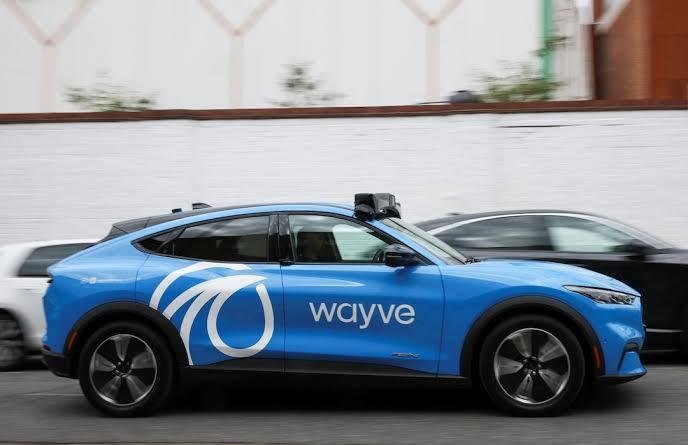
Uber and British autonomous-driving company Wayve have launched London’s first public robotaxi service, marking a major step in the UK’s move towards self-driving transport. The service began on September 3, allowing selected passengers to book autonomous rides through the Uber app.
But the biggest surprise is that London’s first robotaxi is not completely driverless. The initial fleet uses all-electric Ford Mustang Mach-E vehicles equipped with Wayve’s AI Driver, while a trained private hire driver remains behind the wheel to monitor the journey and take control if necessary.
Why London Is an Important Test
The launch is significant because London presents a much harder environment for autonomous vehicles than many controlled testing areas. The cars must deal with crowded streets, cyclists, pedestrians, roundabouts and unpredictable traffic.
That makes the city a useful test for whether Wayve’s AI can handle real-world driving at scale. Unlike some autonomous driving systems that depend heavily on detailed high-definition maps, Wayve says its technology is designed to learn how to drive across different environments and vehicles.
More than 100,000 Londoners had already registered interest before the public launch, suggesting that there is significant curiosity around autonomous rides.
Uber Is Betting on a Driverless Future
For Uber, the partnership is about more than launching an unusual new ride option. The company is positioning itself to remain a major player if autonomous vehicles eventually become a large part of the taxi industry.
Uber and Wayve are already planning robotaxi deployments in more than 10 cities, while a separate partnership involving Nissan is expected to bring Wayve-powered vehicles to Tokyo later in 2026.
The next major test will be whether regulators allow these vehicles to operate without a safety driver. If that happens, London’s transport market could face a much bigger shift, particularly for professional drivers.
For now, however, London has entered the robotaxi era cautiously. The technology is driving, but a human is still watching.