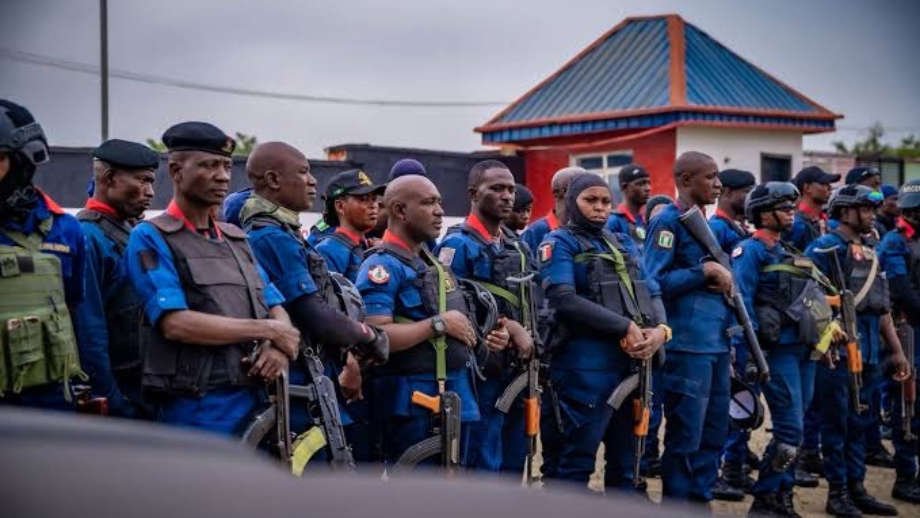









The rescue of 15 NYSC members kidnapped in Kogi has brought relief to their families, but it has also raised a bigger question about NYSC security in Nigeria: how safe are young Nigerians travelling to and from their places of national service?
The corps members were among 21 people abducted after gunmen intercepted two buses in Ofu Local Government Area of Kogi State on August 26. They were travelling towards Abuja after completing their three-week orientation programme in Bayelsa State. President Bola Tinubu later confirmed that all 15 corps members and six other victims had been rescued from the kidnappers’ den.
The Journey Home Became a Security Risk
The incident is particularly troubling because the victims were not travelling into a known conflict zone. They were simply returning from an NYSC orientation camp after completing a compulsory part of the national service programme.
The attackers reportedly intercepted the buses around the Ofu area, forcing passengers into the surrounding forest. A rescued corps member, David Ayodele, later said the kidnappers threatened to keep the victims in the forest for a month and kill them.
Reports also emerged that families were contacted over ransom demands, showing how quickly a normal journey can turn into a life-threatening situation.
Does Serving as a Corper Still Feel Safe?
The Kogi NYSC kidnapping could increase anxiety among prospective corps members and their families, particularly those posted far from home.
NYSC already requires young Nigerians to travel across states, often using commercial transport. When major highways and forest-lined routes become kidnapping targets, the risk does not end at the orientation camp.
The concern is therefore bigger than the 15 rescued victims. Families may now ask whether corps members need better transport arrangements, security escorts on vulnerable routes or stronger coordination between NYSC and security agencies during post-camp movements.
Rescue Is Good News, But Prevention Matters More
The joint operation involving the military, police, DSS and local security personnel shows that coordinated action can save lives. The authorities have also continued efforts to track the kidnappers responsible.
But the real test will be whether security agencies can prevent another group of corps members from becoming targets.
For the rescued corps members, the immediate priority is recovery and reunion with their families. For the NYSC system, however, the incident should force a difficult conversation about how young Nigerians can complete national service without putting themselves at unnecessary risk.