










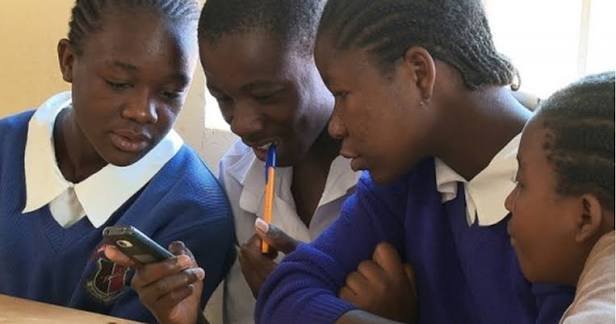
A warning about school phone safety in Nigeria is gaining attention after a Delta State police officer described what officers allegedly found on students’ smartphones, including pornography, cybercrime-related contacts and intimate material.
CSP Temi Agbede-Zuokumor, the Divisional Police Officer of Ugborikoko Division in Delta State, recounted the discovery during a recent security awareness programme. She said officers found more than 80 foreign contacts, including Australian numbers, on one student’s phone alongside explicit material. Similar details were reported by Vanguard and other Nigerian outlets.
The account raises a bigger question for parents monitoring children’s phones: are many families simply providing smartphones without understanding what children can access, create or sell with them?
When a School Phone Becomes More Than a School Phone
The case shows why students and social media have become a growing concern for parents and schools.
According to the police account, the teenager allegedly used the phone not only to consume explicit material but also to sell such content to classmates. Police also alleged that he had access to celebrities’ WhatsApp accounts and used them to solicit money from unsuspecting people.
That combination is important because it moves the issue beyond a simple argument about whether students should have phones in school. A smartphone can give a teenager access to social networks, private messaging, financial platforms and potentially criminal networks at the same time.
The Bigger Concern is Cybercrime Among Students
The alleged involvement of foreign contacts makes the story particularly concerning. The police said the device contained more than 80 foreign numbers, mainly Australian contacts. The case also reportedly involved the alleged compromise of WhatsApp accounts.
This suggests that cybercrime among students can develop alongside ordinary smartphone use, especially when young people have access to the internet without enough supervision or digital education.
However, the allegations should not be treated as proof that the wider population of Nigerian students is involved in similar activity.
Parents and Schools Now Face a Harder Job
The incident also highlights the limits of simply buying a child a phone and expecting them to use it responsibly. Agbede-Zuokumor has previously urged parents to monitor children’s use of mobile phones and social media, warning about harmful online exposure.
For schools, the challenge is even more complicated. Banning phones may reduce some risks, but students can still access harmful content outside school. Teaching digital responsibility, creating clear phone policies and giving children safe ways to report abuse may be more sustainable.
The case is therefore a reminder that sextortion in Nigerian schools, cybercrime and harmful online content cannot be treated only as discipline problems. Parents, teachers and law enforcement may need to work together before a child’s smartphone becomes a gateway to much more serious problems.




One thought on “School Phone Safety in Nigeria: Delta Police Warning Shows the Hidden Risks for Students”