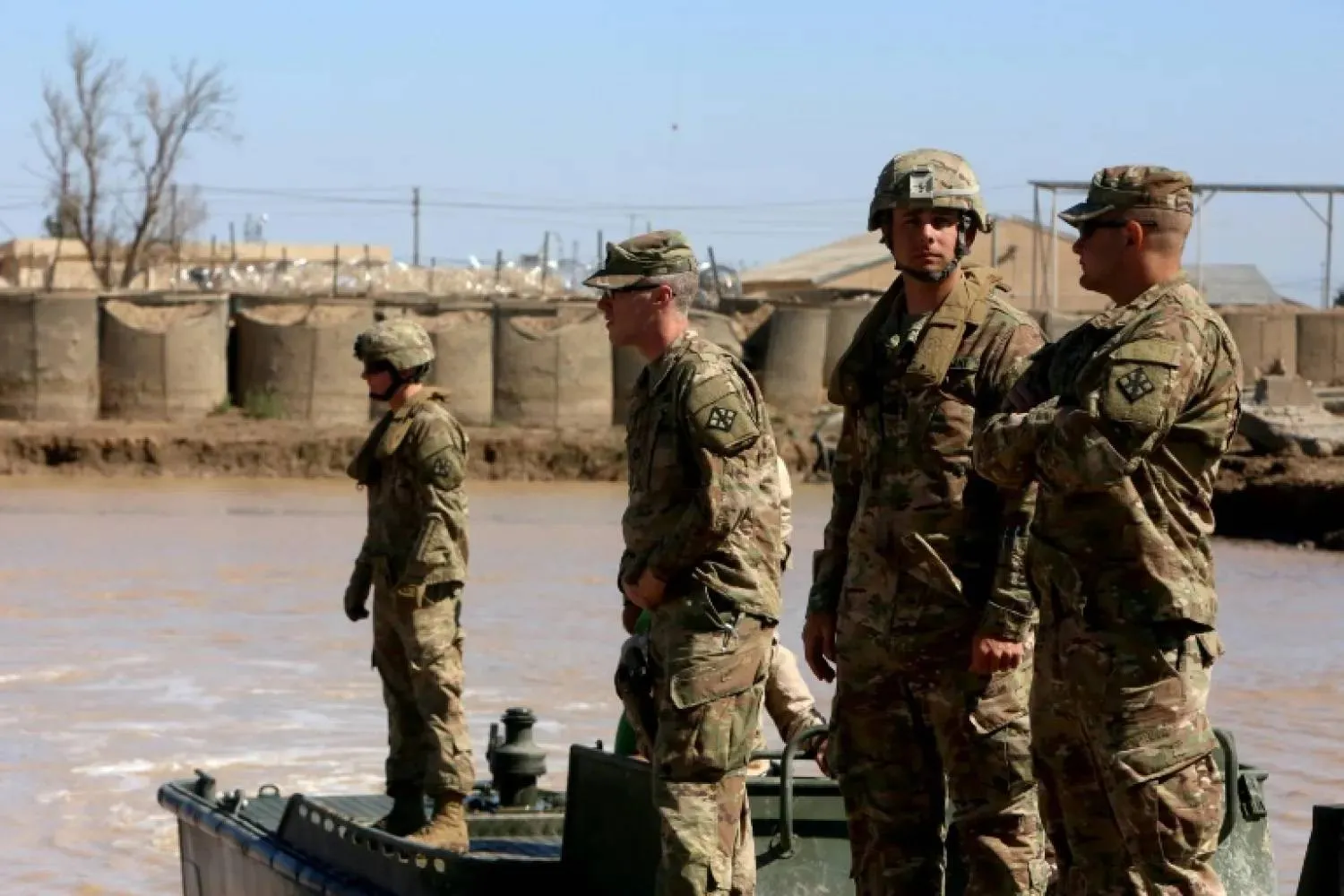







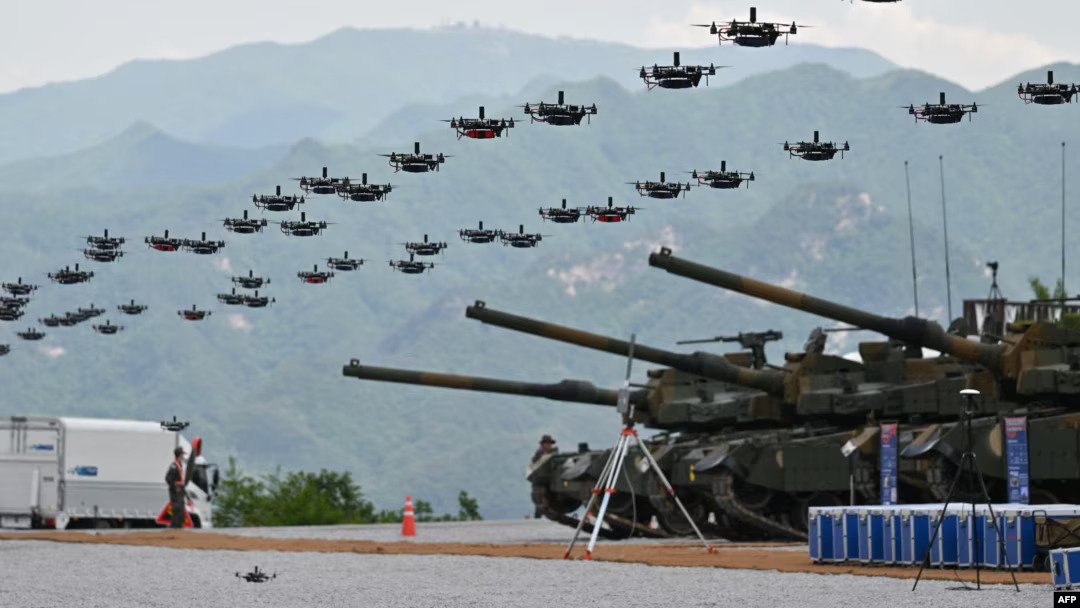
The U.S. South Korea military drills are facing another setback as Washington cancels a major amphibious exercise, raising questions about how the Iran war is affecting America’s military commitments in Asia.
The U.S. Marine Corps cancelled the September Ssangyong exercise, a division-level amphibious landing drill involving American and South Korean forces. Seoul’s Marine Corps said Washington had warned in June that the availability of U.S. troops would be limited because of the war in Iran.
The two allies are still discussing whether the exercise can be rescheduled.
Iran War is Now Affecting Asia
The cancellation is significant because it shows the effects of the Iran war are spreading beyond the Middle East.
The United States has large military commitments in several regions, but the conflict with Iran is putting additional pressure on available personnel and equipment. The Ssangyong cancellation comes only days after Washington and Seoul reduced another major exercise, the Ulchi Freedom Shield.
That exercise was originally planned for 11 days but ended after five days following President Donald Trump’s order to substantially reduce the U.S. role. Trump cited the cost of the drills, South Korea’s position on the Iran war and concerns about sending what he described as a hostile message to North Korea.
What Does This Mean for South Korea?
For Seoul, the issue is bigger than one cancelled exercise. Military drills allow American and South Korean forces to practise operating together during a potential conflict. The cancellation therefore creates a training gap, even though both countries insist their overall readiness remains strong.
South Korea is also working towards greater responsibility for its own wartime military operations. Regular field exercises are important for that transition, making the loss of training opportunities more significant.
The Pentagon has maintained that the reduction in exercises does not mean a weakening of U.S. training objectives.
North Korea Could See an Opportunity
The changes are also being watched closely by North Korea, which has repeatedly described U.S.-South Korean military exercises as preparations for an invasion.
Pyongyang has already responded to the scaled-back Ulchi Freedom Shield with criticism and launched 10 short-range ballistic missiles last week.
That creates a difficult situation for Washington. Reducing the drills could support Trump’s efforts to reopen dialogue with Kim Jong Un, but repeated cancellations could also raise concerns in Seoul about the credibility of the U.S. security commitment.
For now, both allies say they remain committed to readiness. The bigger question is whether the Iran war will force Washington to keep choosing between military priorities in the Middle East and its long-standing commitments in Asia.