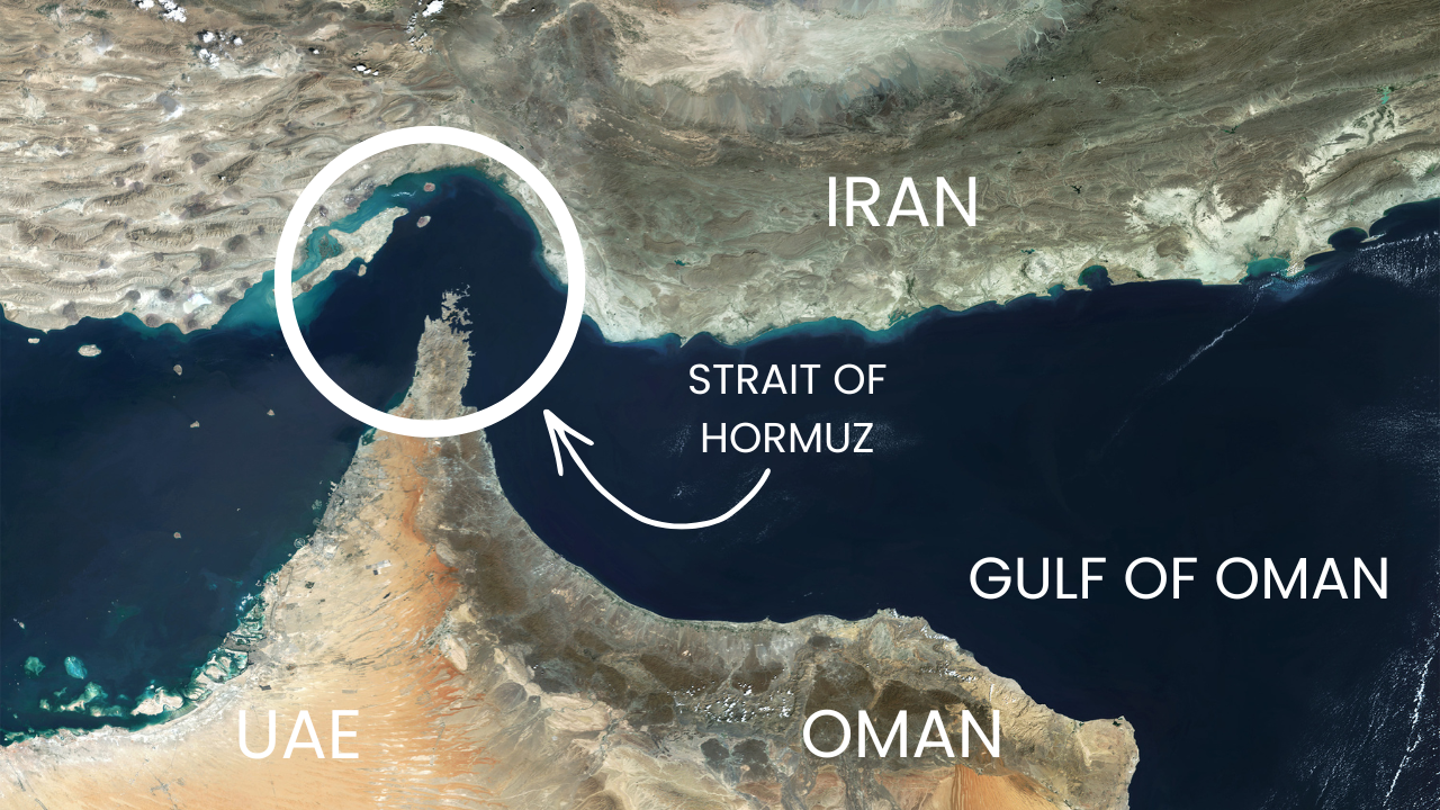
Iran says the Strait of Hormuz blockade will remain in place until the United States meets a list of demands, escalating an already dangerous standoff over one of the world’s most important oil routes.
Iranian Parliament Speaker Mohammad Baqer Qalibaf said Tehran would not reopen the waterway until Washington fulfils seven conditions linked to an interim agreement between the two countries. The demands include lifting economic restrictions, releasing frozen Iranian assets and ending military operations on regional fronts.
But there is an important complication: the Strait of Hormuz is not behaving like a completely closed waterway.
Iran Says Closed, US Says Open
The latest Strait of Hormuz closure dispute is now as much about control and interpretation as it is about shipping.
US Secretary of State Marco Rubio said on Wednesday, October 7, that the strait remains open and that Iran has lost complete control of the waterway. Rubio also claimed that oil flows are now close to levels seen before the conflict.
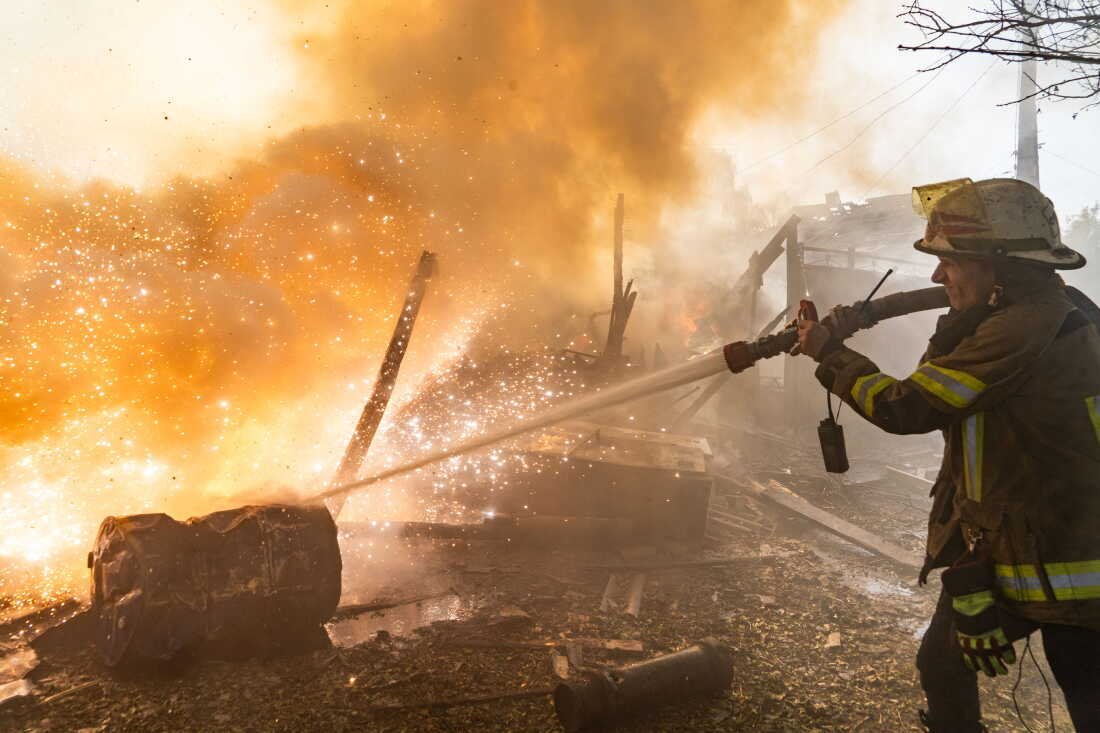
Iran, however, maintains that normal maritime traffic will not resume until its conditions are accepted. Tehran has also warned vessels operating in the area while Iranian forces continue to threaten and attack some commercial shipping.
That creates a situation where a waterway can be politically declared closed while ships and cargo continue to move through parts of it.
Shipping Has Not Stopped, But The Risk Has Changed
The latest Strait of Hormuz shipping traffic data shows why the situation is more complicated than a simple open-or-closed argument.
Kpler data showed that only five commodity vessels passed through the strait on Saturday, compared with 31 during the previous weekend. Some vessels have continued using the route, while others are relying on alternative routes or taking greater security risks.
Earlier September data also showed Middle Eastern oil exports through Hormuz recovering to or even exceeding pre-war levels on some days. That does not mean shipping has returned to normal. Tanker attacks, higher insurance costs and increased security risks are making every journey more expensive and uncertain.
Why This Matters Beyond Iran
The Strait of Hormuz oil shipments matter because the waterway normally carries a huge share of the world’s oil and liquefied natural gas. Any prolonged disruption puts pressure on fuel prices, transport costs and inflation far beyond the Middle East.
The crisis is already pushing energy companies to rethink their dependence on a small number of shipping routes. Oil executives are calling for alternative pipelines and export routes so that future conflicts cannot disrupt global supplies so easily.
For now, the bigger danger is uncertainty. If attacks continue and more tanker operators decide the risk is too high, traffic could fall further even without Iran being able to physically stop every vessel.
The next major development will depend on whether Washington and Tehran can return to negotiations. Until then, the Strait of Hormuz blockade remains a political declaration, a shipping risk and a growing threat to global energy markets all at once.