The latest Iran war escalation is creating a problem that could reach far beyond the Middle East.
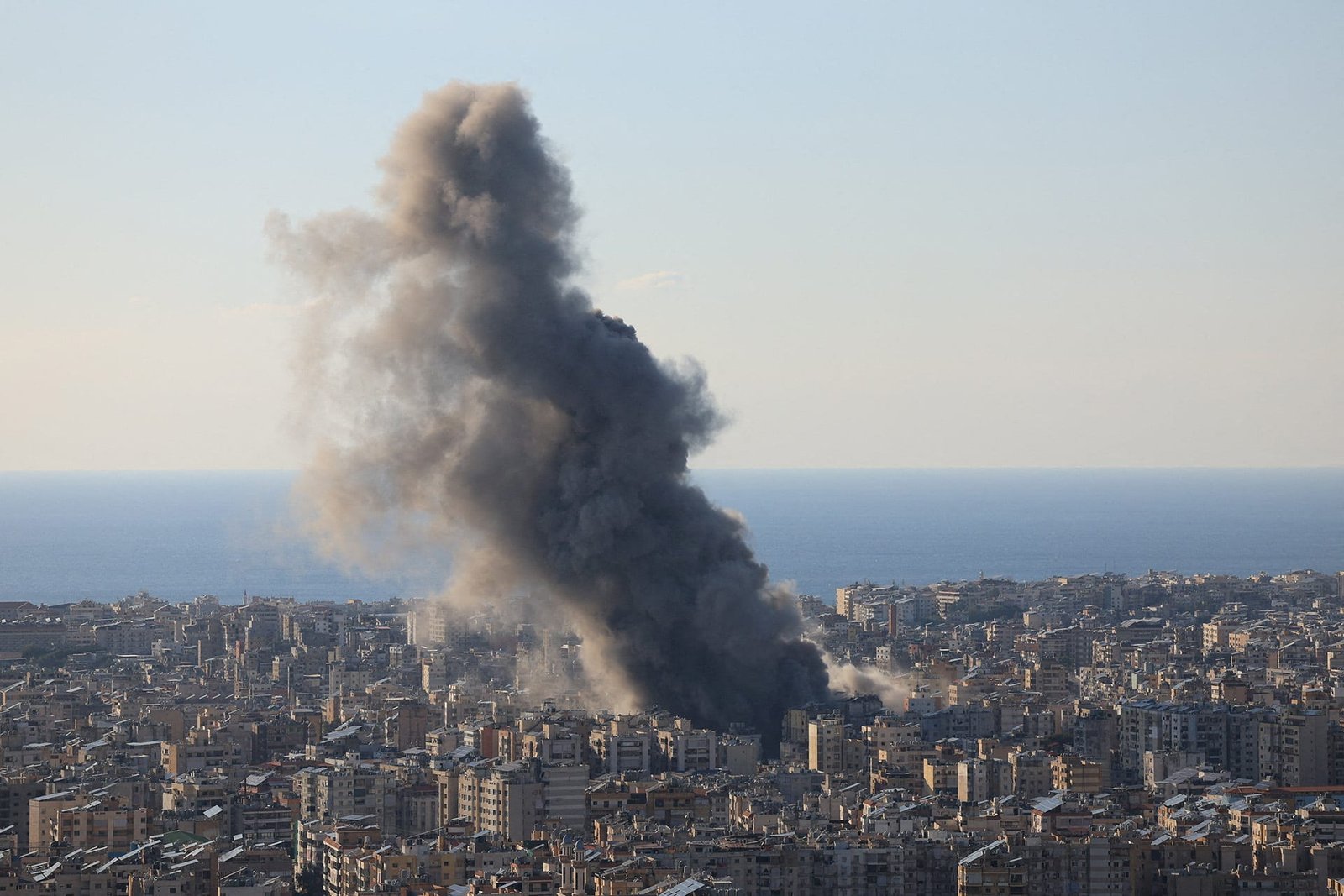
Saudi Arabia has intensified military operations against Houthi targets in Yemen after attacks hit two Saudi airports near the Yemeni border. At the same time, continued disruption around the Strait of Hormuz is raising concerns about shipping, fuel and fertilizer supplies, creating a potential new pressure point for global food prices.
Saudi-Houthi Fighting Intensifies
Saudi Arabia and its allies have increased military pressure on the Houthis as fighting in Yemen enters another dangerous phase.
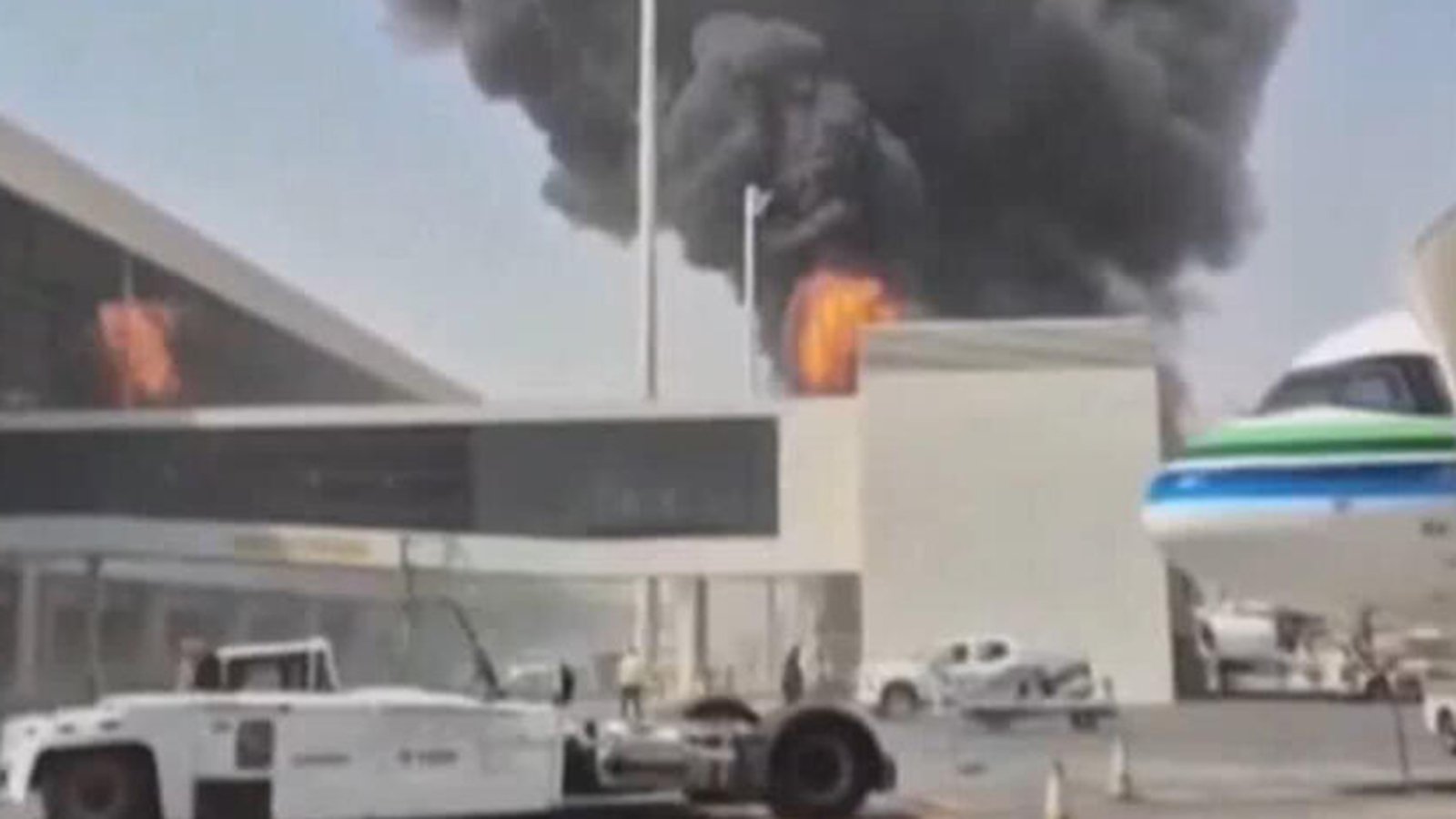
Saudi authorities said Houthi attacks targeted King Abdullah bin Abdulaziz International Airport in Jazan and Najran International Airport on Monday, October 5. Three people were reported injured and material damage was recorded.
The attacks came as Saudi-backed Yemeni government forces launched a major offensive around the strategic Bab el-Mandeb Strait. The fighting has now put another major international shipping route under pressure.
Why the Strait of Hormuz Matters
The Strait of Hormuz food crisis is becoming one of the biggest economic concerns linked to the conflict.
Hormuz is a crucial route for energy and agricultural commodities. The World Bank previously noted that vessels passing through the strait accounted for nearly 35% of global seaborne crude oil trade, around 20% of refined petroleum products and about 20% of liquefied natural gas trade.
The problem is not only oil. The Gulf region is also an important source of fertilizer. IFPRI says the Middle East supplies about one-third of global urea exports, while millions of tonnes of fertilizer exports have been disrupted since the Strait of Hormuz crisis began.
The Food Crisis Could Come Later
This is where the Iran war global food crisis warning becomes important. A disruption to fertilizer does not immediately mean empty supermarket shelves. The bigger risk comes later, when farmers face higher costs or reduced access to fertilizer, fuel and transport.
IFPRI warns that prolonged disruption could push farmers to use less fertilizer, potentially reducing crop yields. Higher energy and shipping costs can also increase the cost of processing and transporting food.
The World Food Programme has similarly warned that disruptions to major trade routes can affect the movement of food, fuel and fertilizer, with the impact spreading across countries and putting vulnerable communities at greater risk.
Two Shipping Routes, One Growing Risk
The latest Saudi Houthi conflict in October 2026 creates an additional problem because the Red Sea and Bab el-Mandeb route is already under pressure while Hormuz remains heavily disrupted.
That means global shipping companies are dealing with uncertainty around multiple routes connecting energy producers, manufacturers and food markets.
Oil prices have remained around $100 a barrel despite increased Middle Eastern exports and planned emergency stockpile releases by G7 countries.
The immediate focus remains on the military conflict. But if the fighting continues and shipping disruptions persist, the bigger story could become the cost of food, fertilizer and transportation far away from the battlefield.